 PRADEEP ALBERT
A Functional Medicine Approach to Long COVID: Systems-Based Solutions for Post-Viral Recovery
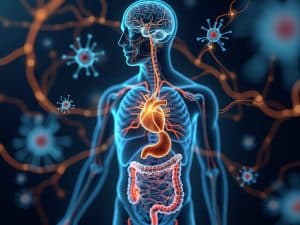
The emergence of Long COVID has presented one of the most significant post-pandemic health challenges, affecting millions globally and challenging conventional approaches to post-viral recovery. As the medical community continues to unravel the complexities of this condition, characterized by persistent symptoms lasting weeks or months beyond the initial SARS-CoV-2 infection, it has become increasingly clear that a more comprehensive, systems-based approach is necessary. Current estimates suggest that between 10% and 30% of individuals who contract COVID-19 experience some form of long-term symptoms, representing a substantial burden on both healthcare systems and individual quality of life.
The impact of Long COVID extends far beyond the respiratory system, manifesting as a multi-system disorder that can affect neurological, cardiovascular, gastrointestinal, and immune function. This complex presentation has led to growing interest in functional medicine approaches, which emphasize the interconnectedness of body systems and the importance of addressing root causes rather than merely managing symptoms. Traditional medical interventions, while valuable, may not fully address the comprehensive nature of Long COVID’s effects on the body, particularly regarding chronic inflammation, immune dysregulation, and metabolic disruption.
As our understanding of Long COVID continues to evolve, emerging research points to the critical role of nutritional support, gut health optimization, and personalized treatment protocols in managing this condition effectively. This article explores a functional medicine perspective on Long COVID, examining the latest evidence-based strategies for assessment, treatment, and long-term management. By integrating conventional medical knowledge with systematic, patient-centered approaches, we can better understand and address the complex challenges posed by Long COVID, while providing practical guidance for both healthcare practitioners and affected individuals seeking comprehensive solutions for recovery.
Core Concepts
Understanding the Core Mechanisms of Long COVID begins with recognizing the fundamental disruption to the body’s inflammatory response system. When SARS-CoV-2 initially infects the body, it triggers a cascade of immune reactions that, in some individuals, fails to properly resolve even after the acute infection subsides. This persistent inflammatory state, known as chronic systemic inflammation, can affect multiple organ systems simultaneously. The ongoing inflammatory response can lead to what immunologists term “molecular mimicry,” where the immune system may begin targeting the body’s own tissues due to similarities between viral proteins and human cellular components.
The neurological manifestations of Long COVID demonstrate the condition’s ability to affect the central nervous system through several mechanisms. The primary pathway involves neuroinflammation, where inflammatory molecules cross the blood-brain barrier, leading to cognitive dysfunction (often referred to as “brain fog”), persistent headaches, and autonomic nervous system disruption. This neurological impact is frequently compounded by disruption of the hypothalamic-pituitary-adrenal (HPA) axis, which regulates crucial hormonal responses and can affect everything from sleep patterns to energy metabolism. The term “neuro-inflammation” specifically refers to the immune response within the brain and nervous system, distinct from peripheral inflammation in other body tissues.
Cardiovascular complications in Long COVID often stem from both direct viral damage and indirect inflammatory effects on heart tissue and blood vessels. The term myocarditis, referring to inflammation of the heart muscle, represents one of the more serious potential complications. Additionally, endothelial dysfunction – damage to the cells lining blood vessels – can lead to micro-clotting and impaired oxygen delivery throughout the body. This vascular disruption helps explain the wide range of symptoms experienced by Long COVID patients, from exercise intolerance to chronic fatigue.
The gastrointestinal system plays a crucial role in Long COVID through its intimate connection with the immune system, known as the gut-immune axis. The SARS-CoV-2 virus can directly affect the gut microbiome, leading to what’s termed dysbiosis – an imbalance in the bacterial ecosystem of the digestive tract. This disruption can perpetuate systemic inflammation and immune dysfunction, creating a feedback loop that may contribute to the persistence of Long COVID symptoms. The gut’s role as a major immune organ means that this disruption can have far-reaching effects throughout the body.
Metabolic disruption represents another core aspect of Long COVID, particularly affecting cellular energy production through mitochondrial dysfunction. Mitochondria, the cellular powerhouses responsible for energy production, can become damaged or impaired during COVID-19 infection, leading to decreased ATP (adenosine triphosphate) production. This energy deficit helps explain the profound fatigue experienced by many Long COVID patients and suggests why simple activities can become exhausting. The term “post-exertional malaise” describes this phenomenon where even minimal physical or mental exertion can lead to a severe energy crash lasting days.
The immune system dysregulation in Long COVID involves multiple components of both innate and adaptive immunity. This includes altered T-cell responses, autoantibody production, and persistent activation of inflammatory signaling pathways. The concept of “immune exhaustion” becomes relevant here, where the continued activation of immune responses leads to a state of decreased effectiveness and increased susceptibility to other infections. Understanding these immune system alterations is crucial for developing targeted therapeutic approaches and explains why some patients may experience recurring symptoms or new onset allergies and sensitivities.
Current Understanding
The intricate interplay between Long COVID’s various manifestations points to a complex syndrome requiring a multifaceted therapeutic approach. At its core, Long COVID represents a significant disruption of normal physiological processes, characterized by persistent inflammation, immune dysregulation, and cellular dysfunction. Current research indicates that between 10-30% of COVID-19 patients develop long-term symptoms, with the severity and duration varying significantly among individuals. This variability underscores the need for personalized treatment approaches that address each patient’s unique presentation.
The pathophysiology of Long COVID reveals a cascade of interconnected disruptions throughout the body’s major systems. Initially triggered by SARS-CoV-2 infection, the condition can persist through several mechanisms, including viral persistence in tissue reservoirs, autoimmune responses, and chronic inflammation. The virus’s ability to affect the angiotensin-converting enzyme 2 (ACE2) receptors, present in multiple organ systems, helps explain the wide-ranging impact of Long COVID. This systemic involvement necessitates a comprehensive treatment approach that considers the body as an interconnected whole rather than focusing on isolated symptoms.
Recent research has illuminated the central role of mitochondrial dysfunction and oxidative stress in Long COVID pathology. These cellular-level disruptions manifest as profound fatigue, exercise intolerance, and cognitive difficulties. The condition often creates a vicious cycle where inflammation leads to mitochondrial damage, which in turn generates more inflammatory signals. Understanding this cycle has led to therapeutic strategies focusing on supporting cellular energy production and reducing oxidative stress through targeted nutritional interventions and lifestyle modifications.
The gut-brain axis has emerged as a crucial consideration in Long COVID treatment protocols. The virus’s impact on the gastrointestinal system extends beyond local inflammation, affecting the gut microbiome’s composition and function. This disruption can influence neurological symptoms through the vagus nerve and immune signaling pathways. Research shows that gut dysbiosis can persist long after the acute infection has resolved, contributing to ongoing symptoms and immune dysfunction. Addressing this gut-brain connection through targeted probiotics, dietary modifications, and stress reduction techniques has shown promise in supporting recovery.
The immune system’s role in Long COVID extends beyond initial viral response, involving complex interactions between innate and adaptive immunity. Chronic activation of inflammatory pathways can lead to a state of immune exhaustion, characterized by decreased effectiveness against new threats and increased susceptibility to autoimmune responses. This understanding has led to therapeutic approaches focusing on immune modulation rather than simple immune stimulation, emphasizing the importance of balanced intervention strategies that support rather than override natural healing processes.
Clinical Applications
Clinical Applications in Long COVID Management requires a systematic, multi-faceted approach that directly addresses the complex pathophysiology outlined in previous sections. The initial assessment should include comprehensive metabolic panels, inflammatory markers (including hs-CRP and cytokine profiles), and detailed symptom tracking to establish baseline severity and patterns. Practitioners should implement a graduated treatment protocol that begins with fundamental interventions targeting inflammation and oxidative stress, then progressively incorporates more targeted therapies based on individual patient response and specific symptom clusters.
The practical implementation of nutritional support protocols should follow a tiered approach, starting with essential nutrients known to support mitochondrial function and reduce inflammation. Initial supplementation typically includes vitamin D (2,000-5,000 IU daily, adjusted based on serum levels), omega-3 fatty acids (2-4g EPA/DHA daily), and CoQ10 (100-200mg daily). Antioxidant support through N-acetylcysteine (600-900mg twice daily) and alpha-lipoic acid (300-600mg daily) can be particularly beneficial for addressing the oxidative stress patterns commonly seen in Long COVID patients. These interventions should be adjusted based on regular monitoring of clinical response and biomarkers.
Gastrointestinal health optimization represents a crucial practical intervention point, given the established gut-immune axis disruption in Long COVID. Clinical implementation should begin with a comprehensive stool analysis to assess microbiome status and inflammatory markers. Treatment typically starts with a 4-8 week gut restoration protocol, including targeted probiotics (minimum 30 billion CFU daily, focusing on Lactobacillus and Bifidobacterium strains), digestive enzymes with meals, and specific prebiotics such as partially hydrolyzed guar gum or arabinogalactans. Dietary modifications should emphasize removing inflammatory triggers while incorporating gut-healing nutrients through a Mediterranean-style eating pattern rich in polyphenols and fiber.
The management of exercise intolerance and post-exertional malaise requires careful implementation of activity protocols. Begin with autonomic nervous system retraining through gentle breathing exercises and progressive relaxation techniques. Physical activity should be reintroduced using heart rate monitoring, keeping exertion below the anaerobic threshold (typically 220 minus age multiplied by 0.6). Activity periods should start at 5-10 minutes daily, with increases of no more than 10% per week, carefully monitoring for symptom exacerbation. This approach helps prevent the crash-and-burn cycle common in Long COVID while gradually rebuilding exercise tolerance and mitochondrial function.
Integration of stress management and sleep optimization strategies is essential for clinical success. Implement structured sleep hygiene protocols, including consistent sleep/wake times and blue light management in the evening hours. Cognitive support can be enhanced through supplementation with phosphatidylserine (100mg daily) and acetyl-L-carnitine (500-1000mg daily), particularly for patients experiencing significant brain fog. Regular monitoring should include heart rate variability measurements and sleep quality assessments, with treatment adjustments based on these objective markers alongside subjective symptom improvement.
Future Implications
Looking ahead, the trajectory of Long COVID research and treatment appears poised for significant evolution over the next 5-10 years. Current evidence suggesting mitochondrial dysfunction and chronic inflammation as core mechanisms is likely to lead to more targeted therapeutic approaches. The development of specialized metabolomic testing protocols could enable clinicians to identify specific cellular energy disruption patterns, potentially allowing for more personalized intervention strategies. This advancement may result in the creation of targeted mitochondrial support protocols that combine emerging pharmaceutical agents with precise nutritional interventions, offering more effective relief for the debilitating fatigue that characterizes many Long COVID cases.
The growing understanding of the gut-immune axis in Long COVID pathophysiology suggests a future where microbiome manipulation becomes a cornerstone of treatment. Research trends indicate the potential development of specialized probiotics designed specifically for post-viral syndrome recovery, possibly incorporating engineered bacterial strains that target specific inflammatory pathways. Advanced diagnostic tools may emerge that can map the intersection of immune dysfunction and microbiome disruption, leading to more precise therapeutic interventions. This could revolutionize treatment approaches by allowing practitioners to predict which patients are most likely to develop Long COVID and intervene preemptively with personalized protocols.
The integration of artificial intelligence and machine learning into Long COVID management represents another promising frontier. Current patterns in clinical data collection and analysis suggest the eventual development of sophisticated algorithms capable of identifying subtle symptom clusters and predicting disease progression. These tools could enable healthcare providers to anticipate complications before they manifest clinically and adjust treatment protocols proactively. Furthermore, the emergence of wearable technology capable of monitoring real-time inflammatory markers and autonomic function could provide continuous data streams for these AI systems, allowing for dynamic treatment adjustments and more precise management of post-exertional malaise. Such technological integration would mark a significant advance in the personalization of Long COVID care, potentially improving outcomes while reducing the trial-and-error approach currently necessary in treatment planning.
Practical Considerations
Practical Considerations for Long COVID Management requires careful attention to implementation timing and sequence. The initial phase should focus on patient stabilization and symptom management, typically spanning 4-6 weeks. During this period, practitioners should establish baseline measurements including inflammatory markers, oxidative stress indicators, and detailed symptom tracking using validated assessment tools. A common challenge during this phase is patient overwhelm, as individuals often attempt to implement too many interventions simultaneously. The solution is to prioritize interventions based on symptom severity and impact on quality of life, introducing new therapeutic elements gradually at 2-week intervals to allow proper assessment of effectiveness.
Implementation of nutritional and supplement protocols presents several practical challenges, particularly regarding absorption and timing. Given the common gastrointestinal disruption in Long COVID patients, practitioners should begin with lower doses of supplements, especially fat-soluble nutrients like CoQ10 and vitamin D, gradually increasing to therapeutic levels over 2-3 weeks. Supplement timing should be strategically planned – for example, administering anti-inflammatory supplements like curcumin and resveratrol between meals to maximize absorption, while taking probiotics either first thing in the morning or at least 2 hours after the last meal. For patients experiencing significant fatigue, breaking supplement protocols into smaller, more manageable segments throughout the day can improve compliance and reduce overwhelming the digestive system.
Managing post-exertional malaise requires careful activity pacing and energy conservation strategies. A practical approach involves implementing the “energy envelope” concept, where patients monitor their energy expenditure using a simple 1-10 scale throughout the day. Activities should be planned to maintain energy levels between 4-7 on this scale, avoiding the extremes that can trigger crash cycles. A common challenge is patient resistance to activity limitation, particularly among previously active individuals. The solution involves education about the temporary nature of these restrictions and the implementation of heart rate monitoring technology to provide objective feedback about exertion levels. Patients should be taught to maintain their heart rate below their anaerobic threshold (calculated as described earlier) during any physical activity.
Setting realistic expectations and managing the psychological aspects of recovery presents another significant challenge. Practitioners should establish clear communication about the typically non-linear nature of Long COVID recovery, with progress often following a “two steps forward, one step back” pattern. Regular reassessment intervals should be scheduled every 4-6 weeks, with clear documentation of both improvements and setbacks to help patients recognize overall progress patterns. A practical solution for monitoring progress is the implementation of a symptom diary that includes not just physical symptoms but also energy levels, sleep quality, and emotional well-being. This comprehensive tracking helps identify triggers and patterns while providing tangible evidence of improvement over time, even when day-to-day fluctuations might suggest otherwise.
Frequently Asked Questions
How long do Long COVID symptoms typically last?
The duration of Long COVID symptoms can vary significantly among individuals, with some experiencing symptoms for several months while others may have persistent issues for a year or longer. Current research indicates that approximately 10-30% of COVID-19 patients develop long-term symptoms, with recovery timelines varying based on factors such as initial infection severity, underlying health conditions, and individual immune response.
The recovery process is often non-linear, with patients experiencing periods of improvement followed by temporary setbacks. This pattern is particularly common during the first 6-12 months after initial infection, highlighting the importance of patient-centered, adaptable treatment approaches that can be adjusted based on individual progress and symptom patterns.
What are the most effective supplements for treating Long COVID?
Key supplements that have shown promise in managing Long COVID symptoms include Vitamin D (2,000-5,000 IU daily), CoQ10 (100-200mg daily), and Omega-3 fatty acids (2-4g EPA/DHA daily). These supplements primarily work by supporting mitochondrial function and reducing systemic inflammation, two key factors in Long COVID pathophysiology.
However, it’s crucial to note that supplement protocols should be personalized based on individual symptoms and laboratory testing. Additional targeted supplements like N-acetylcysteine (NAC) and alpha-lipoic acid may be beneficial for specific symptoms, but should be introduced gradually and under professional guidance to ensure optimal absorption and prevent overwhelming the system.
How can I safely return to exercise with Long COVID?
Safe return to exercise requires a carefully graduated approach that starts with gentle movement and gradually increases based on individual tolerance. The key is to stay below your anaerobic threshold, which can be calculated as 220 minus your age, multiplied by 0.6. This helps prevent post-exertional malaise, a common symptom where even minimal exertion can lead to severe fatigue.
Begin with 5-10 minutes of gentle activity daily, such as walking or light stretching, and increase duration by no more than 10% per week. Monitor your heart rate and symptoms during and after activity, and maintain detailed records to identify patterns and triggers. If symptoms worsen, return to the previous level of activity that was well-tolerated.
Can dietary changes help improve Long COVID symptoms?
Yes, dietary modifications can significantly impact Long COVID recovery, particularly through their effect on inflammation and gut health. A Mediterranean-style diet rich in anti-inflammatory foods, including colorful vegetables, healthy fats, and lean proteins, has shown particular promise. This eating pattern helps support the gut microbiome while providing essential nutrients for cellular repair and immune function.
Key dietary strategies include eliminating processed foods and common inflammatory triggers while increasing intake of prebiotic and probiotic-rich foods. Timing of meals and proper hydration are also crucial factors, as they can affect energy levels and symptom management throughout the day.
What role does stress management play in Long COVID recovery?
Stress management is fundamental to Long COVID recovery as chronic stress can exacerbate inflammation and immune dysfunction, potentially prolonging symptoms. The condition affects both physical and psychological well-being, creating a potential cycle where stress worsens symptoms, and symptoms increase stress levels.
Implementing structured stress management techniques such as meditation, gentle yoga, or breathing exercises can help regulate the autonomic nervous system and reduce inflammation. These practices should be combined with proper sleep hygiene and regular rest periods throughout the day to support the body’s natural healing processes. Regular monitoring of heart rate variability can provide objective feedback on stress levels and recovery progress.
Long COVID represents a complex, multi-system condition that requires a nuanced and comprehensive treatment approach. The evidence presented throughout this examination demonstrates that successful management depends on addressing multiple physiological systems simultaneously while recognizing the interconnected nature of symptoms. The functional medicine perspective, with its emphasis on identifying root causes and supporting the body’s inherent healing mechanisms, offers a particularly valuable framework for understanding and treating this challenging condition. By integrating targeted nutritional support, careful activity management, and systematic monitoring of both subjective and objective markers, practitioners can develop more effective, personalized treatment protocols.
Looking ahead, the field of Long COVID treatment appears poised for significant advancement through several promising avenues. The growing understanding of mitochondrial dysfunction, immune dysregulation, and the gut-brain axis will likely lead to more targeted therapeutic approaches. Additionally, the integration of artificial intelligence and advanced diagnostic tools may soon allow for more precise prediction of disease progression and treatment response. These developments, combined with an increasing emphasis on personalized medicine, suggest a future where Long COVID treatment becomes more refined and effective, offering hope to the millions affected by this condition worldwide.
As our understanding of Long COVID continues to evolve, it becomes increasingly clear that success in managing this condition requires a patient-centered, systems-based approach that acknowledges both the complexity of the syndrome and the individuality of each case. The principles outlined in this analysis provide a foundation for developing comprehensive treatment protocols while remaining adaptable to new research findings and therapeutic possibilities. Through continued research, clinical observation, and the refinement of treatment strategies, the medical community can better serve those affected by Long COVID while advancing our understanding of post-viral syndromes more broadly.