 PRADEEP ALBERT
A Lifetime Approach: Effective Naturopathic Management of Arthritis
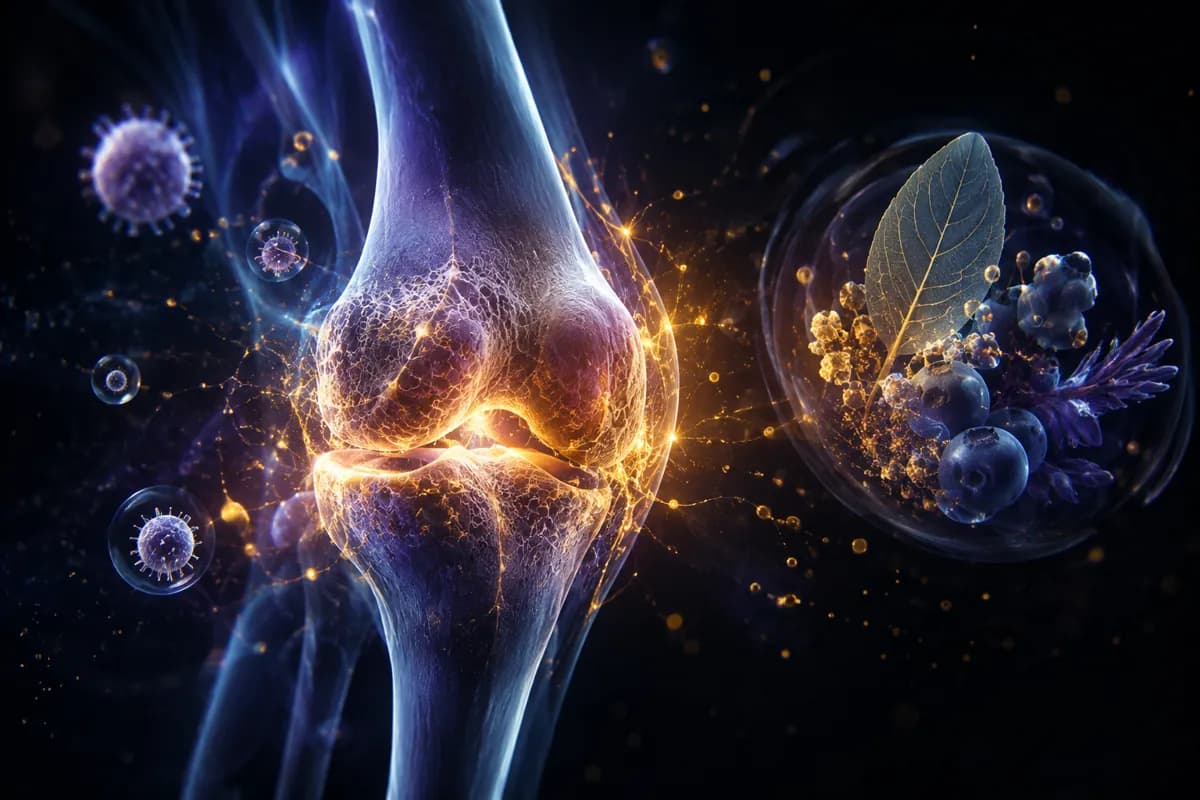
Oxidative Stress: An Under-Addressed Arthritis Mediator
While acute inflammation rightfully captures attention as a driver of arthritis, oxidative stress acts as an insidious perpetrator as well. Localized reactive oxygen species and systemic reduction of antioxidants associate with both severity and duration of rheumatoid arthritis. Osteoarthritis also demonstrates increased oxidative stress markers.
Functional medicine pioneer Dr. Susan Blum asserts that measuring and addressing oxidative stress stands as a key element in arthritis management, though often overlooked. Tracking relevant markers like lipid peroxides and glutathione levels provides objective data to monitor the impact of treatment. An abundance of research also correlates the ratio of pro-inflammatory Bacteroidetes species to beneficial Firmicutes species in the gut microbiome with oxidative stress and inflammation.
Multifaceted Lifestyle Change: The Keystone of Arthritis Treatment
Implementing temporary or fragmented lifestyle changes offers little lasting impact on arthritis. Successfully managing this disease demands comprehensive lifelong commitment to diet, stress reduction techniques, oral care, and other interventions. The gut microbiome tends to revert to an individual “enterotype” over time, resisting short-term alterations.
Diet emerges as the most influential factor shaping the gut ecosystem. An anti-inflammatory whole foods diet high in fiber and phytonutrients helps reduce visceral adiposity while selectively promoting growth of beneficial bacterial species. Physical and emotional stress powerfully disrupt homeostasis as well, altering gut flora. Implementing daily stress resilience practices proves essential.
Gut Dysbiosis: An Interactive Arthritis Antecedent
Extensive research illuminates the gut-joint connection in arthritis. Intestinal permeability enables translocation of bacterial cell wall components into circulation. These fragments then migrate to joint tissue, inciting localized autoimmune reactions.
Specific species like the infamous Proteus mirabilis appear particularly arthritogenic. Multiple Bacteroidetes members including Prevotella copri also associate with arthropathies. Treating small intestinal bacterial overgrowth and restoring balanced intestinal flora provides a major target. Botanical protocols help restructure the microbiome without antibiotic collateral damage.
Mouth Microbes: An Overlooked Arthritis Instigator
Oral pathogens provoke arthritis through a similar process of cellular invasion and immune activation. Porphyromonas gingivalis stands out for secreting enzymes that citrullinate human proteins, triggering subsequent autoantibody development (most notably ACPA). Managing periodontal disease and adopting daily oral hygiene techniques like water picking, antiseptic mouth rinses, and oral probiotics helps mitigate this bacteria-driven risk.
Guiding Treatment Through Diagnostic Testing
While many arthritis patients demonstrate common gut and microbiome disturbances without testing, selected lab assessments better target treatment. Monitoring lipid peroxides, antioxidant levels, and the Bacteroidetes to Firmicutes ratio provides objective data showing oxidative stress and intestinal dysbiosis.
Tracking anti-CCP antibodies also proves useful, as these directly instigated by invasive oral microbes. Sequential stool analyses help gauge efficacy of gut interventions as well, though allowing a buffer between treatment and retesting. Beyond specific microbial overhaul techniques, managing arthritis successfully relies upon the lifelong lifestyle changes previously emphasized.
Botanical Therapies: Prudent Microbiome Pruning
A number of arthritis studies showcase improved outcomes simply through administering probiotics like Lactobacillus casei. However, more comprehensive botanical protocols better recalibrate gut microbiota by reducing pro-inflammatory organisms while sparing commensals. Breath and plant-based compounds like berberine, garlic, onion, oregano, thyme, and wormwood exhibit broad antimicrobial activities that prune dysbiotic overgrowth.
Nutraceutical combinations feature these and other herbs to good effect (e.g. Biocidin, Candibactin, GI Microb-X). Such formulas help restructure gut ecology without antibiotic decimation. They also limit development of microbial resistance seen with pharmaceuticals. Rotating preparations helps further enhance efficacy. Pairing antimicrobial botanicals with targeted oral and gut probiotics also makes sense for more holistic flora reconditioning.
Lifestyle Medicine: Supporting Patients In Arthritis Self-Management
Implementing all lifestyle modifications and gut interventions covered here clearly requires extensive patient education and support. Arthritis sufferers need help not just understanding what to do, but how to actually make it happen. Functional medicine clinics that offer ancillary services like nutritional counseling, stress management classes, and health coaching better equip patients for success in self-directed care.
Cultivating an environment where patients feel heard, understood, and supported also goes a long way to help them take ownership of lifestyle changes. Celebrating small wins builds momentum and confidence to tackle bigger challenges. Meeting patients where they are at and giving them tools to progress one step at a time fosters meaningful engagement. This empowers arthritis sufferers to incrementally reclaim control of health from a often disempowering disease.
Committing to The Long Haul: Arthritis As A Lifelong Journey
Managing arthritis constitutes an ultra-marathon rather than a sprint. Both patients and practitioners must embrace this truth for lasting symptomatic relief and recovery. Achieving temporary incremental gains certainly helps inspire continued effort and higher achievements. However all parties must remain cognizant that maintenance stands as important, if not more so, than rapid progress.
Lifestyle change alone rarely proves curative. Ongoing support through quality clinical care, community aid, personal development, and self-compassion all help ease the burden. Arthritis patients who simply stop treatment once feeling better almost inevitably relapse. Staying consistent with stress and oral hygiene habits, taking herbs and probiotics during symptom flares, getting semi-regular lab testing, and keeping close care relationships intact all help endure the marathon.
Just as arthritis etiology and perpetuation implicates a web of lifestyle factors, cuisine choices, stress influences, genetic proclivities, and microbial interactions, its effective management requires an integrative approach. Each patient needs individualized yet comprehensive guidance on regulating oxidative stress, realigning the gut axis, stabilizing health behaviors, and resolving disease drivers like infection and leaky oral or intestinal barriers.
While daunting at the outset, such multifactorial treatment grows simpler as new lifestyle habits crystallize and patients awaken to how even subtle daily choices cumulatively impact wellbeing. Ultimately arthritis patients feel empowered realizing they can in fact manage and largely transcend the constraints of this disease by exhibiting discipline and drudgingly digging into a lifetime commitment of whole person wellness.
Article References:
Blum, S. 2022. The Immune System Recovery Plan. Scribner.
Ebringer, A., Rashid, T. 2014. Rheumatoid arthritis is caused by Proteus: the molecular mimicry theory and Karl Popper. Front. Cell Infect Microbiol. 4:77.
Marietta, E.V., Murray, J.A. 2019. Celiac disease and the microbiome: A model of barrier dysfunction disease. Journal of Allergy and Clinical Immunology 143(1):371-374.
Tejesvi, M.V., Arvonen, M., Kangas, S.M., Keskitalo, P.L., Pirttila, A.M., Karttunen, T.J., et al. 2016. Faecal microbiome in new-onset juvenile idiopathic arthritis. European Journal of Clinical Microbiology and Infectious diseases 35(3):355–363.