 PRADEEP ALBERT
Combating Heart Disease Through Innovation
Understanding the Underlying Causes
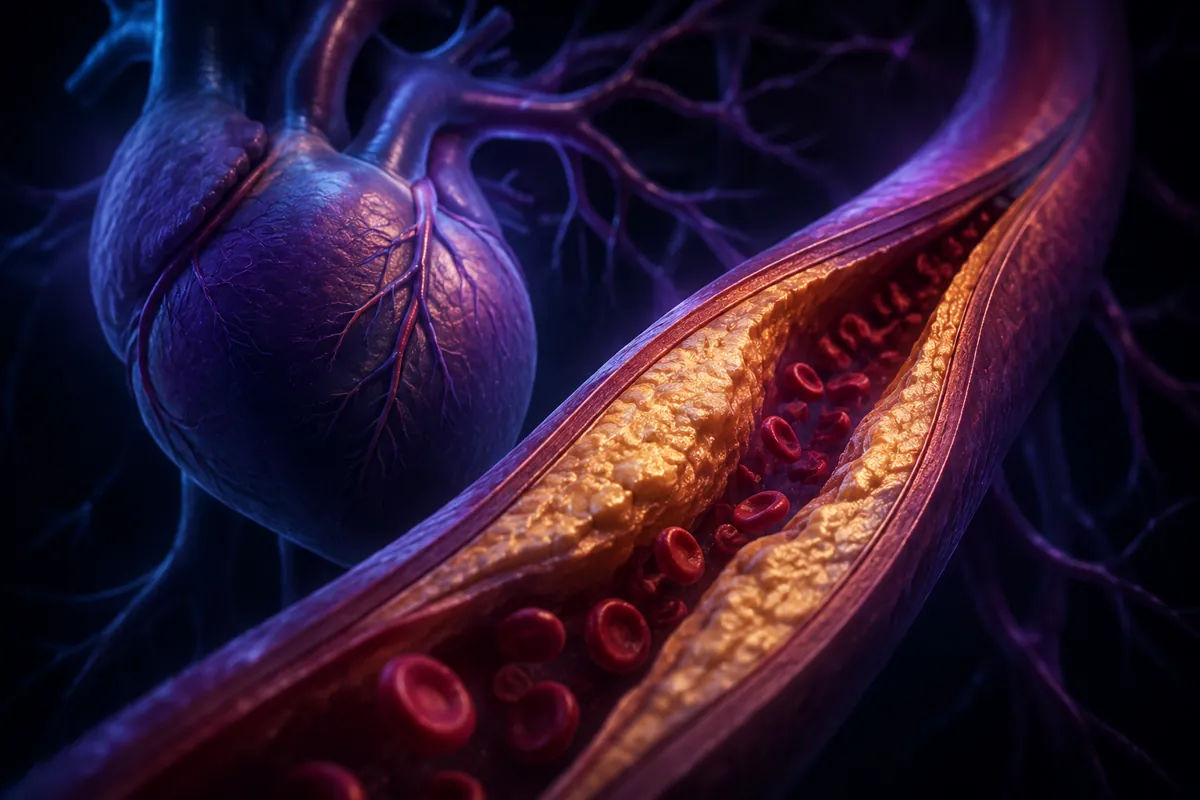
Gaining a deeper understanding of the etiology of heart disease is critical for developing more effective solutions. Atherosclerosis represents the primary pathophysiologic process driving most cardiovascular conditions. Atherosclerosis occurs when fatty deposits and plaque buildup accumulate in the arteries over time. This gradual narrowing of vessels restricts blood flow, which can culminate in heart attacks or strokes if plaque ruptures.
The development of atherosclerosis involves complex molecular and cellular changes. Elevated low-density lipoprotein (LDL) cholesterol has long been implicated as a contributor to plaque accumulation. However, emerging research emphasizes the vital role of chronic inflammation. Oxidized LDL particles trigger inflammatory cascades that damage arteries. Key inflammatory markers like C-reactive protein correlate strongly with cardiovascular risk.
Identifying and addressing persistent causes of arterial inflammation is critical for prevention and treatment. Lifestyle changes to reduce inflammation include smoking cessation, exercise, stress reduction, and consumption of an anti-inflammatory diet. Some patients may benefit from targeted anti-inflammatory medications if lifestyle interventions prove insufficient.
Harnessing Advanced Imaging for Early Diagnosis
All too often, patients experience no overt symptoms until plaque buildup has progressed considerably. Fortunately, advanced cardiovascular imaging enables earlier diagnosis to detect heart disease before it becomes advanced.
Coronary CT angiography utilizes sophisticated computed tomography scanners to visualize plaque buildup and narrowing within the coronary arteries. The test can detect calcified and non-calcified plaque with high accuracy compared to invasive angiography. Patients with extensive plaque burden or narrowed artery segments can prompt further screening and preventive care before suffering a heart attack.
Cardiac MRI provides an alternative non-invasive modality to assess heart structure and function. MRI captures detailed images without using ionizing radiation. Beyond visualizing anatomy, MRI can quantify blood flow, measure cardiac chamber volumes, map heart muscle viability, and capture video of valve movement. Cardiologists use cardiac MRI scans to pinpoint areas of ischemia that forecast heart attack risks.
By combining CT and MRI with functional analysis and plaque characterization, physicians gain comprehensive data early to stratify heart disease risks long before first complications arise. Dr. Albert emphasizes the key role of advanced medical imaging to improve preventive cardiovascular care through early diagnosis and risk assessment.
Leveraging Regenerative Therapies
For patients with existing heart damage, innovative regenerative treatments show increasing promise to restore lost function. Harnessing the body’s innate healing mechanisms using stem cells and growth factors represents a paradigm shift from simply addressing symptoms.
Multiple types of stem cells exhibit benefits for cardiac repair and regeneration. Experimental studies demonstrate mesenchymal stem cells successfully engraft within injured heart tissue and can restore cardiac output following heart attacks. Derived from bone marrow, adipose tissue or other sources, mesenchymal stem cells appear to stimulate new blood vessel growth while reducing scarring.
Cardiac progenitor cells represent another regenerative cell type residing within heart tissue that activates in response to injury, potentially restoring muscle mass. Early clinical research on delivering expanded cardiac progenitor cells after heart attack shows improved healing and pumping capacity. Further trials will refine cell processing and delivery methods.
Platelet-rich plasma harnesses natural growth factors within a patient’s own blood to stimulate tissue regeneration. Injecting PRP into areas of damaged heart muscle may accelerate healing after heart attacks. Platelet-derived proteins may also exert anti-inflammatory effects to stabilize vulnerable plaques. Early human studies show promise, while larger randomized trials are underway.
As an early pioneer applying regenerative therapies clinically, Dr. Albert remains on the leading edge of translating cell-based and growth factor biologics from laboratory research into practical treatments for cardiovascular disease. His team combines imaging guidance with innovative injection tools to target damaged heart structures in need of repair.
Leveraging AI for Improved Cardiovascular Diagnostics
Harnessing artificial intelligence has potential to drastically expand insights from cardiovascular imaging exams. AI-enabled imaging analytics can automate quantification of vessel stenosis, plaque composition, myocardial blood flow, contractile performance, and other metrics relevant to heart disease. Machine learning algorithms can synthesize multidimensional data to generate personalized cardiac risk profiles and suggest tailored prevention or treatment pathways.
Dr. Albert founded an AI medical imaging company using deep learning techniques to augment radiology diagnostics. His team trains neural networks on millions of cardiac images to identify morphologic and functional signs of heart disease often imperceptible to the human eye. This AI decision support may enable cardiologists to interpret scans faster while reducing overlooked abnormalities that forecast debilitating events.
Ongoing research applies AI to crunch data from EHR records, genomic profiles, cardiac imaging, and biometrics to construct comprehensive risk models. Dr. Albert envisions advanced AI systems that continuously synthesize patient information from diverse digital sources to refine heart disease prediction and serve as indispensable tools assisting cardiologists.
Improving Heart Disease Prevention and Care
While advanced treatments offer promise, optimal prevention remains essential to curb the epidemic of cardiovascular disease worldwide. Avoiding tobacco, engaging in regular exercise, limiting alcohol and processed foods, and reducing stress have proven benefits to lower heart disease risk through maintaining healthy blood pressure, glucose metabolism, weight, and inflammation levels. Access to nutrition education and wellness resources ensures more individuals can actualize positive lifestyle changes.
Certain patients face elevated heart disease risk due to family histories, chronic health conditions, or genetics. Along with lifestyle changes, these individuals may benefit from medications like statins and antihypertensives to modify risk factors before they progress. However, clinicians often struggle conveying long-term medication adherence, highlighting the need for shared decision-making and motivational support. Multidisciplinary cardiac wellness programs that provide ongoing lifestyle guidance and psychosocial enrichment may also substantially reduce cardiovascular risk factors compared to sporadic primary care counseling alone.
For patients suffering myocardial damage, cardiac rehabilitation programs guide safe resumption of physical activity, monitor risk factors, supply nutritional direction, and assist survivors in improving mental health. By shifting focus beyond initial survival to promoting long-term wellbeing, rehabilitation programs are underutilized services that may substantially improve quality of life for millions managing heart disease.
Training Future Generations
As a professor of radiology and frequent lecturer, Dr. Albert aims to instill cutting-edge imaging expertise along with holistic, humanistic values towards improving cardiovascular care in future practitioners. He teaches students to combine technical prowess in applying advanced diagnostics with mindfulness of how innovations translate to enhanced patient experiences. Dr. Albert oversees training in cardiovascular MRI, CT angiography, AI image interpretation, and ultrasound-guided regenerative injection procedures.
His textbooks provide comprehensive guidance on integrating cell-based biologics for cardiovascular conditions, distilling complex topics into accessible protocols for daily practice. Dr. Albert balances an evidence-based approach with a passion for democratizing breakthrough treatments to benefit diverse patient populations. He aims to prepare future generations of cardiologists to utilize the coming wave of disruptive innovations in cardiovascular medicine.
The Way Forward
Leveraging breakthroughs across imaging, biotherapeutics, bioengineering, AI, and prevention strategies will drive the next generation of cardiovascular care. As a distinguished leader across these complementary disciplines, Dr. Pradeep Albert exemplifies the integrated approach essential to battling this multifaceted disease. His pioneering work continues revealing new opportunities to combat heart disease through technological innovation guided by compassionate care.