 PRADEEP ALBERT
Functional Medicine: A Comprehensive Approach to Cancer Prevention and Treatment
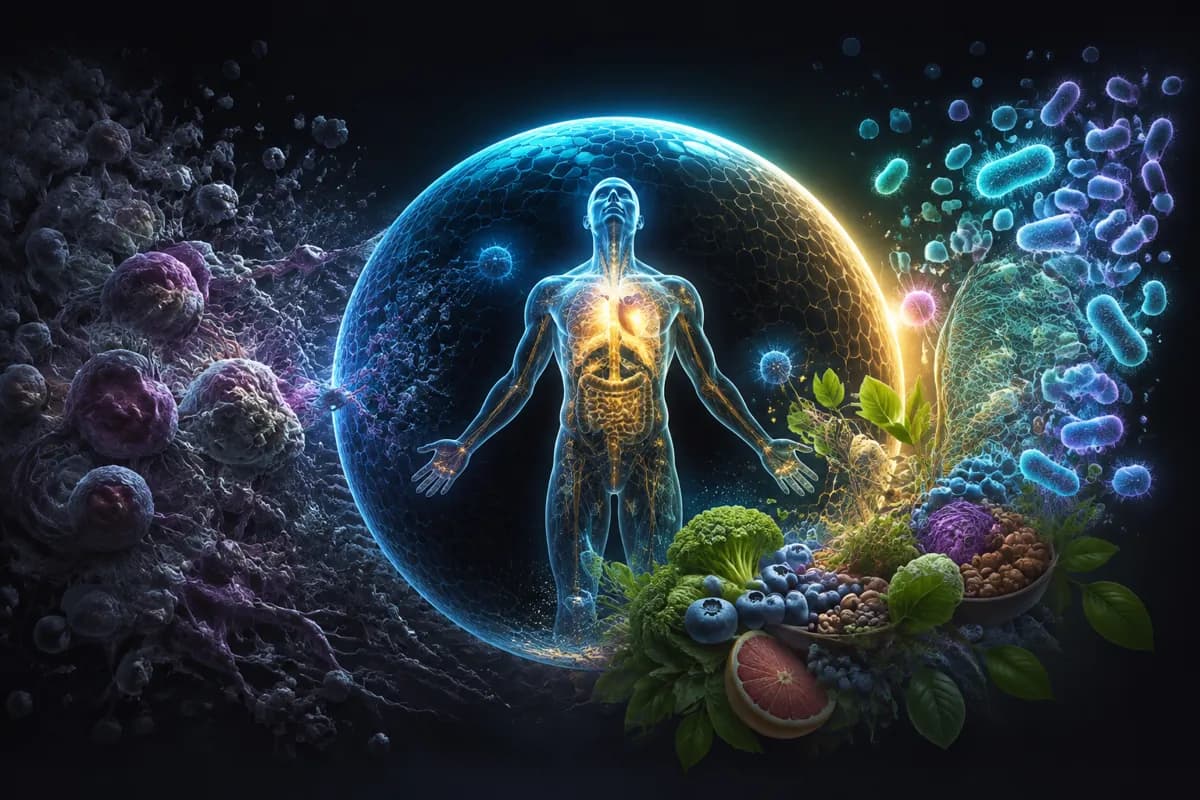
Cancer is a complex and multifaceted disease that affects millions of people worldwide. While conventional medicine focuses primarily on early detection and treatment, functional medicine takes a more comprehensive approach, emphasizing prevention and addressing the underlying causes of cancer. By creating a healthy “terrain” within the body, functional medicine aims to reduce the risk of cancer development and support patients throughout their treatment journey.
The Functional Medicine Perspective
Functional medicine recognizes that cancer is not a single entity but rather a group of diseases with various underlying causes. Each individual’s cancer journey is unique, influenced by factors such as genetics, lifestyle, environment, and personal history. By taking a patient-centered approach and considering the interconnectedness of various body systems, functional medicine practitioners seek to identify and address the root causes of cancer for each individual.
Biochemical Individuality
One of the core principles of functional medicine is the appreciation of biochemical individuality. This means that each person’s body has unique nutritional, metabolic, and genetic requirements. By understanding and addressing these individual needs, functional medicine practitioners can develop personalized prevention and treatment strategies tailored to each patient’s specific circumstances.
The Importance of Terrain
Functional medicine emphasizes the concept of creating a healthy “terrain” within the body to prevent the growth and spread of cancer cells. This involves optimizing various aspects of health, such as:
- Insulin sensitivity and blood sugar regulation
- Immune system function and inflammation reduction
- Hormone balance
- Toxin exposure and detoxification pathways
- Gut health and microbiome balance
By addressing these key areas, functional medicine aims to create an internal environment that is inhospitable to cancer growth and supportive of overall health and well-being.
Modifiable Risk Factors
While some risk factors for cancer, such as genetics and age, are beyond our control, functional medicine focuses on the modifiable aspects of health that can significantly impact cancer risk. These include:
Nutrition and Diet
A diet rich in whole foods, particularly fruits, vegetables, and fiber, has been shown to reduce the risk of various types of cancer. Functional medicine practitioners often recommend a plant-based diet, limiting processed foods, red meat, and unhealthy fats while emphasizing nutrient-dense, anti-inflammatory foods.
Physical Activity
Regular exercise has been linked to a reduced risk of several types of cancer, including breast, colon, and endometrial cancers. Functional medicine encourages patients to engage in daily movement and maintain an active lifestyle to support overall health and reduce cancer risk.
Stress Management
Chronic stress can weaken the immune system and contribute to inflammation, both of which can create a favorable environment for cancer growth. Functional medicine emphasizes the importance of stress reduction techniques, such as meditation, deep breathing, and mindfulness practices, to promote relaxation and support overall well-being.
Sleep Quality
Adequate, high-quality sleep is essential for maintaining a healthy immune system and reducing inflammation. Functional medicine practitioners often work with patients to improve sleep hygiene and address any underlying sleep disorders that may contribute to cancer risk.
Addressing Insulin Resistance
Insulin resistance and elevated blood sugar levels have been linked to an increased risk of various types of cancer. When insulin levels are chronically high, cancer cells can thrive and proliferate more easily. Functional medicine places a strong emphasis on maintaining insulin sensitivity and stable blood sugar levels through a combination of dietary modifications, exercise, and targeted supplementation when necessary.
The Role of Diet in Insulin Regulation
One of the most effective ways to improve insulin sensitivity and maintain stable blood sugar levels is through dietary changes. Functional medicine practitioners often recommend a low-glycemic, whole-food diet that minimizes refined carbohydrates and added sugars while emphasizing healthy fats, lean proteins, and fiber-rich vegetables. By making mindful food choices at each meal, individuals can significantly reduce their risk of insulin resistance and, consequently, their risk of cancer.
Targeted Supplementation
In some cases, functional medicine practitioners may recommend targeted supplements to support insulin sensitivity and blood sugar regulation. These may include nutrients such as chromium, magnesium, and alpha-lipoic acid, which have been shown to improve insulin function and glucose metabolism. However, it is essential to consult with a qualified healthcare provider before starting any new supplement regimen.
Supporting Immune Function
A robust and well-functioning immune system is crucial for preventing the development and spread of cancer cells. Functional medicine focuses on optimizing immune function through various lifestyle and dietary interventions.
The Role of Inflammation
Chronic inflammation has been linked to an increased risk of several types of cancer. Inflammation can create a favorable environment for cancer cells to grow and spread, while also suppressing the immune system’s ability to detect and eliminate abnormal cells. Functional medicine practitioners work to identify and address the underlying causes of inflammation, such as poor diet, stress, and environmental toxins.
Nutritional Support for Immune Function
Certain nutrients and phytochemicals have been shown to support immune function and reduce inflammation. These include:
- Vitamin C: A potent antioxidant that enhances immune cell function and reduces oxidative stress.
- Vitamin D: Regulates immune function and has been linked to a reduced risk of several types of cancer.
- Omega-3 fatty acids: Anti-inflammatory nutrients found in fatty fish, nuts, and seeds.
- Curcumin: A powerful anti-inflammatory compound found in turmeric.
- Green tea: Rich in polyphenols, particularly EGCG, which has potent antioxidant and anti-inflammatory properties.
Functional medicine practitioners may recommend incorporating these immune-supportive nutrients through dietary changes or targeted supplementation.
Detoxification and Environmental Toxins
Exposure to environmental toxins, such as heavy metals, pesticides, and endocrine-disrupting chemicals, has been linked to an increased risk of various types of cancer. Functional medicine emphasizes the importance of reducing toxic exposure and supporting the body’s natural detoxification pathways.
Minimizing Toxin Exposure
One of the first steps in reducing cancer risk is to minimize exposure to environmental toxins. This may involve:
- Choosing organic produce to reduce pesticide exposure
- Using natural, non-toxic cleaning and personal care products
- Filtering drinking water to remove contaminants
- Avoiding processed and packaged foods that may contain harmful additives
Supporting Detoxification Pathways
The body has natural detoxification pathways, primarily in the liver, that help to eliminate toxins and waste products. Functional medicine practitioners may recommend various strategies to support these pathways, such as:
- Consuming detoxification-supportive nutrients, such as glutathione, N-acetylcysteine, and milk thistle
- Drinking adequate water to support toxin elimination
- Engaging in regular physical activity to promote circulation and lymphatic flow
- Practicing sauna therapy to promote sweating and toxin release
By minimizing toxin exposure and supporting the body’s natural detoxification processes, functional medicine aims to create a cleaner, healthier internal environment that is less conducive to cancer growth.
The Gut-Cancer Connection
The gut microbiome, which consists of trillions of bacteria, fungi, and other microorganisms, plays a crucial role in overall health and has been linked to cancer risk. Functional medicine recognizes the importance of maintaining a healthy gut microbiome in cancer prevention and treatment.
Dysbiosis and Inflammation
Dysbiosis, or an imbalance in the gut microbiome, can lead to chronic inflammation and a weakened immune system. This creates a favorable environment for cancer cells to develop and spread. Factors that can contribute to dysbiosis include poor diet, antibiotic use, stress, and environmental toxins.
Promoting a Healthy Gut Microbiome
Functional medicine practitioners often recommend various strategies to promote a healthy gut microbiome, such as:
- Consuming a diet rich in fiber and fermented foods, which feed beneficial gut bacteria
- Avoiding processed foods, refined sugars, and artificial sweeteners, which can disrupt the microbiome
- Taking probiotic supplements to introduce beneficial bacteria into the gut
- Managing stress through relaxation techniques, as stress can negatively impact gut health
By supporting a healthy gut microbiome, functional medicine aims to reduce inflammation, enhance immune function, and create a less hospitable environment for cancer cells.
Hormone Balance and Cancer Risk
Hormonal imbalances, particularly in sex hormones like estrogen and testosterone, have been linked to an increased risk of certain types of cancer, such as breast and prostate cancer. Functional medicine focuses on identifying and addressing hormonal imbalances to reduce cancer risk.
Factors Contributing to Hormonal Imbalances
Various factors can contribute to hormonal imbalances, including:
- Exposure to endocrine-disrupting chemicals, such as BPA and phthalates
- Chronic stress, which can disrupt the hypothalamic-pituitary-adrenal (HPA) axis
- Poor diet, particularly one high in processed foods and unhealthy fats
- Lack of sleep, which can interfere with hormone production and regulation
Strategies for Hormone Balance
Functional medicine practitioners may recommend various strategies to promote hormone balance, such as:
- Consuming a diet rich in whole foods, particularly cruciferous vegetables, which contain compounds that support healthy estrogen metabolism
- Minimizing exposure to endocrine-disrupting chemicals by choosing natural, non-toxic products
- Engaging in regular physical activity, which can help regulate hormone levels
- Practicing stress-reduction techniques, such as meditation and deep breathing, to support HPA axis function
By addressing hormonal imbalances, functional medicine aims to reduce the risk of hormone-related cancers and support overall health and well-being.
Integrating Functional Medicine with Conventional Cancer Treatment
While functional medicine emphasizes prevention and addressing underlying causes, it is not a replacement for conventional cancer treatment. Instead, functional medicine can be integrated with conventional therapies to support patients throughout their cancer journey.
Complementary Approaches
Functional medicine practitioners may recommend various complementary approaches to support patients undergoing conventional cancer treatments, such as chemotherapy and radiation. These may include:
- Nutritional support to maintain strength and minimize side effects
- Targeted supplementation to support immune function and reduce inflammation
- Mind-body techniques, such as meditation and yoga, to manage stress and promote relaxation
- Acupuncture to alleviate pain and reduce treatment-related side effects
By integrating functional medicine approaches with conventional cancer treatment, patients may experience improved quality of life, better treatment outcomes, and reduced risk of recurrence.
Personalized Treatment Plans
Functional medicine practitioners work closely with patients to develop personalized treatment plans that address their unique needs and concerns. This may involve collaborating with oncologists and other healthcare providers to ensure a coordinated and comprehensive approach to care.
Conclusion
Functional medicine offers a comprehensive and personalized approach to cancer prevention and treatment, focusing on creating a healthy “terrain” within the body to reduce cancer risk and support overall health. By addressing modifiable risk factors, such as diet, physical activity, stress, and environmental toxins, functional medicine aims to create an internal environment that is less conducive to cancer growth.
While functional medicine is not a replacement for conventional cancer treatment, it can be integrated with conventional therapies to support patients throughout their cancer journey. By working with a qualified functional medicine practitioner, individuals can develop personalized prevention and treatment strategies that address their unique needs and promote optimal health and well-being.
As our understanding of the complex interplay between lifestyle, environment, and genetics in cancer development continues to grow, functional medicine will likely play an increasingly important role in the fight against cancer. By empowering patients to take an active role in their health and addressing the root causes of disease, functional medicine offers a promising approach to reducing the burden of cancer and improving outcomes for patients worldwide.