 PRADEEP ALBERT
Improving Healthspan: Evidence-Based Strategies for Living Longer in Good Health
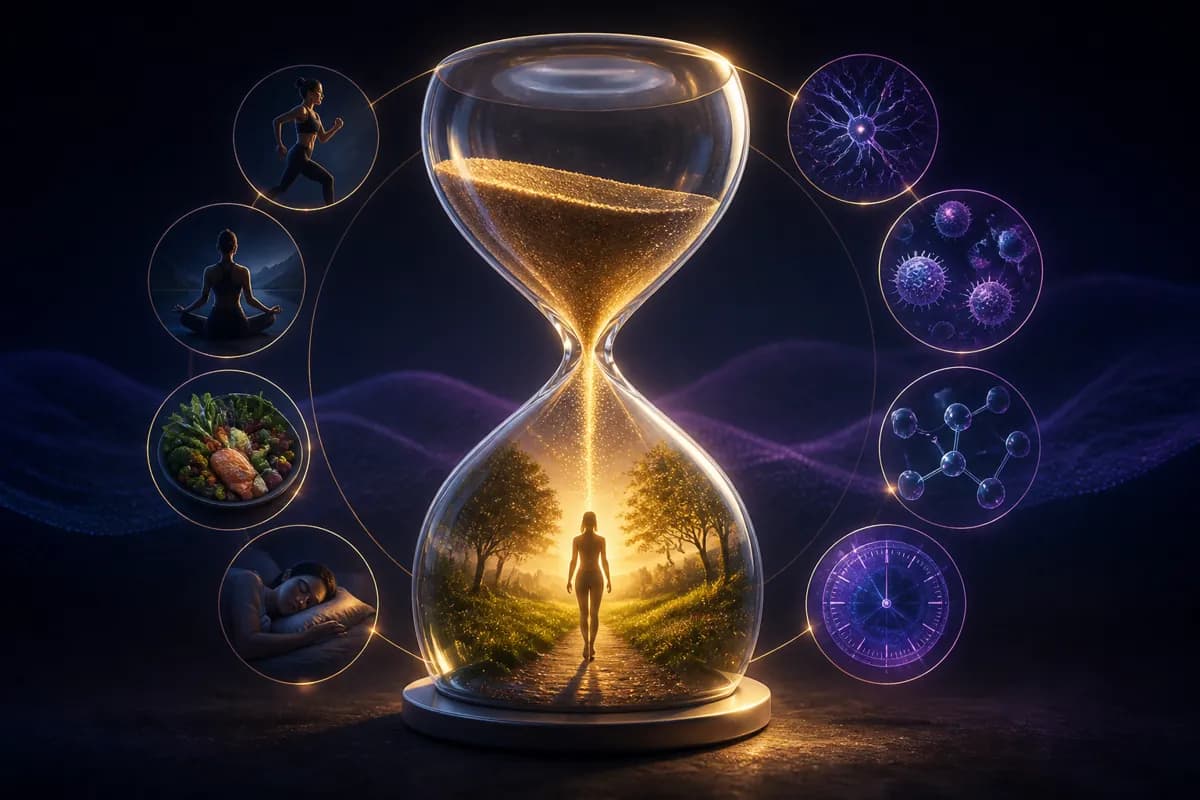
Healthspan Strategies: Enhancing Longevity and Quality of Life
As human lifespan continues extending into the 80s, 90s, and beyond, an equally important consideration is healthspan – the number of years spent in good health without chronic disease or disability. While longevity gains are laudable, a long life does not have full value unless it is also vibrant, active, and fulfilling.
Fortunately, research reveals we have more control over healthspan than once believed. Lifestyle choices and preventative measures can help compress morbidity into a shorter period later in life. My decades of work in radiology and regenerative medicine have shown it is indeed possible to alter genetic predispositions and age-related declines. The future of healthcare will be predicated upon enabling longer healthspans through personalized medicine and scientifically-validated interventions.
Evidence-Based Strategies for Improving Healthspan
- Nutrition
- Adopting an anti-inflammatory diet high in plant foods and healthy fats
- Identifying and avoiding foods triggering allergic, sensitivity, or intolerance reactions
- Time-restricted eating and occasional fasting to support cellular recycling
- Exercise and Activity
- Balancing aerobic, strength, and flexibility training for optimal physical function
- Incorporating high-intensity interval training to boost mitochondria and metabolism
- Reducing sedentary time and moving more throughout the day
- Stress Reduction and Rest
- Managing chronic stress through social connection, meditation, yoga, and adaptogenic herbs
- Prioritizing sleep quality and quantity for cellular repair and brain health
- Digital detoxing and screen time limits for focus and attention restoration
- Environment
- Controlling exposures to toxins, pollutants, allergens, and infectious agents
- Accessing clean air, water, and sunlight to thrive as natural human organisms
- Fostering microbiome diversity through green spaces and animal interactions
- Medical Care
- Early screening and prevention to detect conditions at most treatable stages
- Use of advanced diagnostics to inform personalized care plans and monitor progress
- Targeted regenerative therapies to treat age-related diseases and decline
While applying all of these strategies may seem daunting, taking small steps to shift your daily habits can yield big changes over time. Approaching healthy longevity as a gradual progression allows you to sustain positive lifestyle changes through the decades. With an open and curious mindset, we can uncover innovative ways to nurture body, mind and spirit. On behalf of my entire team, I welcome you on this journey towards a vibrant, empowered future.
Nutrition Strategies for Increasing Healthspan
The adage “you are what you eat” bears particular relevance for healthspan. The very cells, tissues, and organs comprising your body are continually generated from nutritional building blocks. A diet emphasizing whole, unprocessed plant foods supplies the antioxidants, fiber, phytonutrients, minerals, and healthy fats to construct a strong, vital physiology.
Meanwhile, highly refined grains, added sugars, chemical additives, and factory farmed animal products promote systemic inflammation accelerating aging. The Standard American Diet heavy in these processed foods undermines cellular health and biological resilience. Thankfully, adopting nutrition strategies focused on quality over quantity or calories can help reverse diet-induced disease processes.
Emphasize Anti-Inflammatory Foods
Chronic low-grade inflammation is a common driver of age-related disorders from cardiovascular disease to arthritis, metabolic syndrome, and dementia. Eating patterns characterized by high sugar, saturated fats, and omega-6 oils sustain inflammatory pathways weakening healthspan.
In contrast, abundant fruits, vegetables, nuts, seeds, and omega-3 fats supply antioxidant, phytonutrient, and fiber compounds keeping inflammation in check. For example, flavonoids in berries, curcumin in turmeric, and beta-carotene in sweet potatoes have potent anti-inflammatory and immune balancing properties benefiting healthspan.
While many diets varying in macronutrient ratios can support longevity, evidence suggests those highest in plant foods and low in meat most effectively reduce inflammation and related disease risks. The Mediterranean, Flexitarian, and Blue Zones diets exemplify mainly plant-based eating patterns linked to long healthspans across populations.
Eliminate Trigger Foods Causing Reactions
Food sensitivities and intolerances creating low-grade inflammation manifest in diverse ways from fatigue and joint pain to skin conditions and digestive issues. The most common problem foods provoking reactions include gluten grains, dairy, corn, soy, peanuts, eggs, and nightshades.
Symptoms may not appear immediately, but the cumulative effects of chronic immune stimulation from trigger foods can accelerate aging. Eliminating suspect items for 30 days, then methodically reintroducing them, helps reveal which foods prompt inflammatory responses.
Once trigger foods are identified, strict avoidance allows the body to downregulate inflammatory pathways and restore optimal wellness. Those with conditions like autoimmunity or leaky gut may need to permanently remove certain intolerant foods supporting long-term healing.
Try Intermittent Fasting and Time-Restricted Eating
Periodic fasting gives digestive organs a rest, allowing the body to redirect energy towards repair and rejuvenation. Practices like intermittent fasting and time-restricted eating support cellular housekeeping processes – autophagy and mitophagy – cleansing damaged proteins and organelles.
These cellular recycling and renewal mechanisms stimulated by fasting enhance stress resilience and guard against neurodegenerative diseases. Limiting eating to an 8-10 hour daily window or fasting completely 1-2 days per week provides healthspan benefits without undue difficulty. Those new to fasting can gradually build up tolerance.
Nutritive beverages including bone broth, green juices, or coconut water help ease transition periods. Fasting instigates a mild biological stress activating adaptive stress response genes linked to longevity. Periodic fasting combined with nutrient-dense eating constitutes an anti-aging dietary strategy stabilizing calories and growth factors.
Exercise and Activity Patterns for Improving Healthspan
Physical movement is truly the miracle drug when it comes to enhancing healthspan. Regular exercise trains, maintains, and rehabilitates physiological systems enabling an active, independent, and meaningful life into old age. Strength, flexibility, balance, and endurance developed through movement support mobility and resilience.
Finding activities you enjoy and avoiding repetitive strain empowers sustainable fitness habits. Cross-training, active recovery, and listening to your body’s needs at different life stages allows exercise to be medicine, not punishment. A diversity of movement practiced with consistency establishes the foundation for lifelong health.
Mix Up Aerobic, Strength, and Flexibility Training
Each exercise modality confers unique aging benefits that work synergistically. Aerobic activity including walking, swimming, cycling, and rowing improves cardiovascular and respiratory function while reducing inflammation. Strength training counters muscle loss (sarcopenia) maintaining strength for daily activities.
Flexibility work such as yoga increases range of motion and assists graceful mobility. Balance exercises build stability lowering fall risk. An integrated program combining these modalities adapts to changing abilities, keeps exercise engaging, and supports whole body wellness.
Try High Intensity Interval Training (HIIT)
Moving at maximum sustainable intensity followed by recovery periods during interval training powerfully boosts mitochondria, metabolism, and cardiovascular conditioning. Just a few minutes of HIIT 2-3 times per week triggers potent adaptive responses improving fitness and healthspan.
Brief intense cycling, rowing, stair climbing, weighted exercises, plyometrics, and sprints are effective formats. Monitoring heart rate helps calibrate maximum effort while preventing overexertion. Those starting exercise later in life should receive medical clearance and build gradual endurance before attempting high-intensity intervals.
Reduce Sitting and Increase Non-Exercise Activity
Prolonged sedentary time has deleterious effects on metabolism, blood sugar regulation, posture, and circulation distinct from lack of structured activity. Older adults especially can experience rapid functional declines from sitting too much. Light activity sprinkled throughout the day counteracts the hazards of being overly sedentary.
Regularly standing up, strolling outside, gardening, and doing household chores burn additional calories, elevate core temperature, and keep the body primed for mobility. Wearable fitness trackers providing reminders to move and posture trainers helping to stand more can mitigate sitting disease. Simply making an effort to take more daily steps supports healthspan.
Stress Reduction and Rest Techniques for Healthier Longevity
Managing stress through relaxing activities and adequate restorative sleep rejuvenates the mind and body for extended healthspan. Whereas uncontrolled chronic stress quickens the biological aging process, purposeful relaxation strategies conserve energy, lower inflammation, reduce anxieties, and enhance coping capacity.
Making sufficient sleep a top priority bolsters immune defenses, cognitive performance, metabolic health, and cellular repair against aging. Restoring depleted energy reserves through vacation and sabbatical preserves vibrancy and spark over decades of life. Stress moderation and ample recovery integrate into rhythms sustaining youthful biological function.
Cultivate Stress Resilience Skills
Developing resources to roll with life’s punches prevents stress accumulation threatening healthspan. Social connection, spiritual practices, therapy, journaling, nature immersion, pets, art pursuits, and humor cultivate resilience. Evidence-based methods like breathwork, meditation, and yoga quell mind-body stress reactions.
Adaptogenic herbs such as ashwagandha, maca, ginseng, and rhodiola help modulate stress hormone output. Relaxing hobbies, massage, saunas, time in nature, and vacationing provide regular stress relief outlets. With greater distress tolerance, occasional stressful events become more manageable.
Prioritize High Quality Sleep
Age-related declines in sleep duration, efficiency, and architecture impede rejuvenating restorative functions. Ensuring sufficient sleep opportunity and optimizing sleep hygiene sustain cellular repair processes that deteriorate with aging. Retaining deep slow wave and REM sleep phases maintains cognitive sharpness and emotional well-being.
Those experiencing disordered breathing or restless sleep may benefit from medical sleep studies assessing treatable conditions like sleep apnea. Consistent bedtimes, blackout window coverings, sleep-promoting supplements, and cognitive behavioral therapy for insomnia also improve sleep.
Digital Detox and Attention Restoration
Information overload and screen time overstimulate the mind, making it difficult to disconnect and recharge mental focus. Setting boundaries around digital technology usage preserves attentional capacity and cognitive recovery throughout life. Taking periodic digital detoxes renews a sense of presence.
Activities allowing the mind to wander such as hiking, art, music, and time in nature restore directed attention abilities. Meditation and mind-body practices also build capacity to focus without draining mental energy. Honoring the brain’s needs for downtime enhances work-life balance for the long haul.
Optimizing Environment for Healthy Longevity
Aspects of our physical surroundings including climate, altitude, light exposure, air quality, and microbial exposures mold human health. Certain environmental inputs align with our species’ evolutionary adaptations, while others create mismatches undermining physiological function.
Structuring lifestyle and surroundings to emulate patterns humans evolved with supports healthy longevity. At the same time, reducing exposures causing immune disruption and inflammation prevents accelerated aging. Finding harmony in our external environment brings internal balance reinforcing healthspan.
Avoid Toxic Exposures
Particulates, heavy metals, industrial chemicals, herbicides, cigarette smoke, and other toxicants saturate the modern built landscape, entering the body through inhalation, ingestion, and skin contact. Minimizing exposures through air purification systems, water filtration, non-toxic building materials, and organic foods reduces total body burden.
Additionally, strategic detoxification support like sauna therapy, antioxidants, and binding agents facilitates the excretion of accumulated toxins. Limiting avoidable pollution sources improves longevity odds without having to eliminate all outside influences.
Spend Time in Nature and Natural Light
Human health remains dependent on rhythms of nature attuned to daily light-dark cycles and seasonal variation. Getting ample sunlight during daytime hours entrains robust circadian biology and vitamin D status essential for healthy aging. Creative time outdoors also balances the cognitive demands of digital technology.
Natural environments foster diverse microbial exposures that positively shape immune function starting in childhood. Access to greenspace has been associated with lower incidence of age-related diseases. Seeking regular contact with plants, animals, microbes, and untamed settings supports genetic expectations for human longevity.
Foster a Healthy Microbiome
Trillions of bacteria inhabiting the gut microbiome regulate metabolism, immunity, digestion, hormones, and even mood. Supporting microbiome diversity through probiotic foods and soils rich with microbial life protects against chronic low-grade inflammation aging the body. Exposure to plants, animals, and natural environments supplies inputs for gut microbiome enrichment. Minimizing antibiotics and hyper-sanitizing supports microbial balance.
Prebiotic plant fibers feed beneficial microbes producing compounds that nourish human cells and upgrade metabolic function. A healthy microbiome comprises one key strategy for healthy aging within a modern context lacking certain ancestral environmental exposures.
Medical Care Supporting Healthy Longevity
While lifestyle and environment enable foundational wellness, targeted medical care complements holistic healthspan efforts. Early disease screening, personalized care plans, data-driven health tracking, genomic testing, and regenerative therapies help optimize vital longevity.
Integrative medical models blend conventional treatments with lifestyle medicine, novel diagnostics, and complementary modalities suited to each patient. Ongoing partnership with a trusted healthcare team for the long-term amplifies anti-aging benefits from lifestyle approaches.
Seek Early Screening and Prevention
Detecting any disease at its earliest stage, when most treatable, remains the premise of preventive screening. Mammograms, colonoscopies, skin checks, prostate exams, regular bloodwork, neurological tests, genotyping, and imaging uncover issues amenable to lifestyle and medical interventions before causing permanent deficits.
Conditions like metabolic syndrome, insulin resistance, atherosclerosis, and tumor mutations exhibit subtle indicators long before disease onset. Identifying risks early enables swifter action against potential threats to healthspan through enhanced screening.
Employ Advanced Diagnostics
Innovative labs assessing biomarkers, gut health, metabolic function, micronutrients, and biological age support highly personalized care. For example, advanced blood panels measuring inflammatory markers, hormones, and nutrition status identify specific lifestyle adjustments and therapies to optimize wellness.
Diagnostic technology quantifying health provides guidance for nutrition, supplements, stress management, exercise, toxin exposures, sleep, and regenerative treatments tailored to each patient’s needs. Ongoing tracking of biomarker changes over time determines effectiveness of interventions.
Consider Select Regenerative Therapies
Targeted regenerative medicine technologies may help ameliorate specific age-related declines that lifestyle changes alone fail to address adequately. Therapies utilizing platelet-rich plasma, mesenchymal stem cells, exosomes, and peptides prompt repair of damaged tissues, modulate inflammation, and spur regeneration.
Regenerative injections, cellular therapies, and biologics under physician supervision provide remedies for pain, injuries, neuropathy, autoimmunity, organ decline, frailty, and hair loss. Careful patient selection and realistic outcome expectations help ensure responsible application for extending healthspan when sensible.
The Future of Healthy Longevity
As a species, human lifespans are lengthening well beyond prior centuries, yet many of these extra years end up being marked by deteriorating health rather than continued active fulfillment. The gift of longevity also presents us with the opportunity to redefine aging for the modern world.
Lifestyle strategies, technological tools, diagnostic sophistication, and medical therapies now exist supporting far greater compression of morbidity and disability towards life’s end. While biological laws impose ultimate limits to human lifespan, healthspan malleability shows room for improvement.
My life’s work has sought to educate and empower people to realize their fullest health potential across the lifespan. I hope this guide illuminates avenues for you to enhance not just quantity of years, but quality of life in those years ahead. Our future will be defined by how we choose to age – with resigned acceptance or proactive vitality.
The power to direct your health journey rests in your hands. With an open, curious mindset and commitment to daily positive choices, vibrant longevity waits within reach. I look forward to continuing this dialogue and wish you the very best in your pursuit of lifelong wellness.