 PRADEEP ALBERT
Optimizing Health Through Nutrition and Genetics
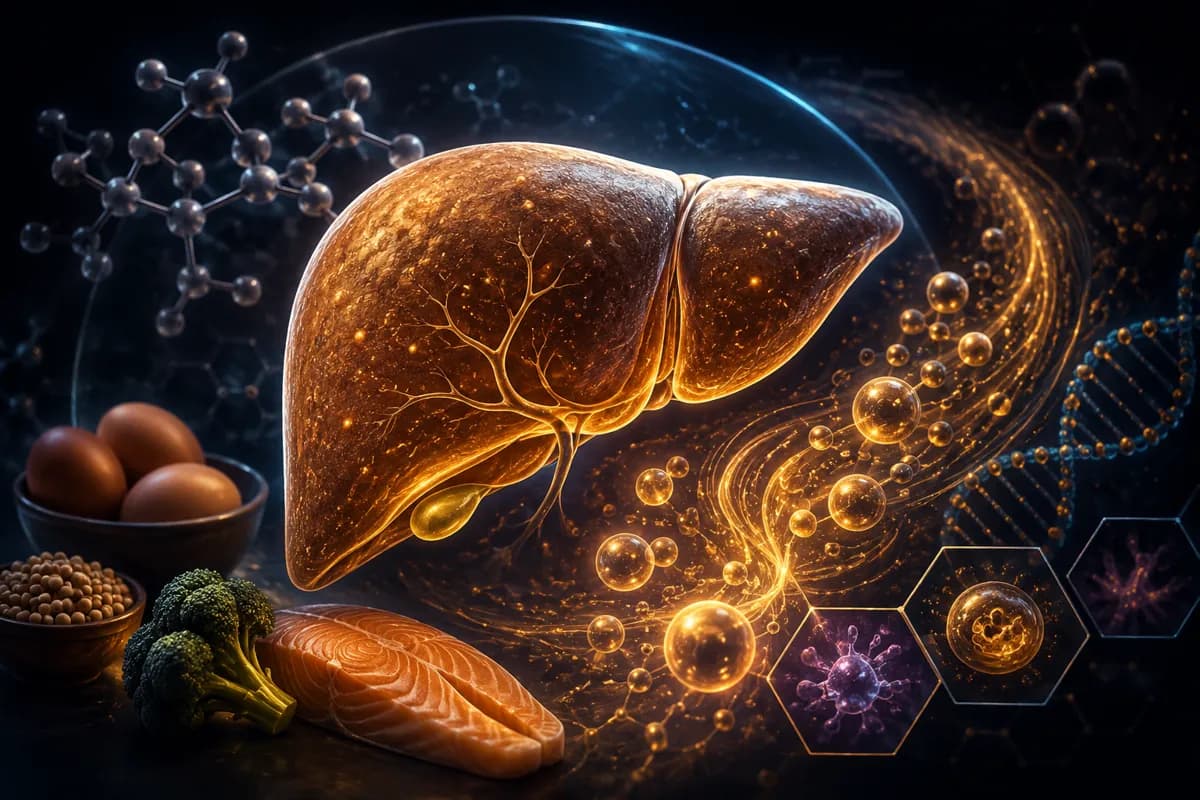
The Critical Role of Choline
Choline is an essential nutrient that acts as a methyl donor in the body. It plays a vital role in liver function, fatty acid transport, and cell membrane integrity. Many people are unaware that choline deficiency can contribute to serious conditions like non-alcoholic fatty liver disease (NAFLD). Dietary sources rich in choline include egg yolks, organ meats like liver, and nuts.
Researchers discovered the importance of choline when patients on total parenteral nutrition (TPN), fed intravenously, developed fatty liver disease. Their TPN mixture lacked choline, indicating it is an essential nutrient. Animal studies also show that sufficient choline can resolve fatty liver, regardless of whether fat accumulation is caused by sugar, alcohol, or dietary fats.
The Debate Around TMAO
Recent studies link choline to increased blood levels of TMAO (trimethylamine N-oxide), a compound thought to promote heart disease. However, people who eat high-choline foods like fish have far more TMAO than those eating meat and eggs. This contradiction questions the idea that TMAO from choline-rich foods like eggs increases cardiovascular risks.
The Rising Epidemic of Fatty Liver Disease
Nonalcoholic fatty liver disease (NAFLD) is becoming a major public health crisis. It is on track to be the leading cause of liver transplants in the United States by 2030. NAFLD is closely linked to visceral obesity, insulin resistance, and metabolic dysregulation. Fructose is also uniquely fattening to the liver.
While weight loss can resolve fatty liver, animal research shows choline supplementation also reduces liver fat regardless of diet. This suggests inadequate choline impairs VLDL export from the liver more than dietary factors that promote fat accumulation.
How MTHFR Mutations Affect Methylation and Health
The MTHFR gene helps convert folate into an active form usable for methylation reactions. Variants like MTHFR C677T are common, not rare mutations. MTHFR activity spans a spectrum across the population rather than a mutation present or absent.
Those with reduced MTHFR activity upregulate alternative methylation pathways using choline and have higher choline requirements. Impacts range from high homocysteine to increased demand for nutrients like choline or vitamins B6/B12 required for methylation.
The Promise and Uncertainties of NAD Boosters
Supplements providing NAD precursors like nicotinamide riboside (NR) may offer benefits, but high doses could also deplete methyl groups. Little evidence proves claimed anti-aging effects. While NR elevates NAD levels in rodent studies, data on long term safety and efficacy in humans remains limited.
Intravenous NAD bypasses cellular control mechanisms for using extracellular NAD signaling molecules, likely causing more harm than benefit. A more prudent approach involves using diet and lifestyle changes first before considering unproven supplements.
Applying Genetic Insights for Personalized Nutrition
Genetic differences produce a spectrum in nutrient needs and metabolic individuality. Understanding one’s predispositions allows customizing nutrition for optimal gene expression versus one-size-fits-all recommendations. This approach represents the future of precision nutrition and lifestyle medicine.
However, genetics cannot fully predict outcomes. Environment, lifestyle, gut health and nutrition interact with genes to determine health trajectories. Some conventional wisdom has solid foundations, even if specifics require updating. An open yet evidence-based approach works best rather than rejecting mainstream or alternative dogmas outright.
Optimizing nutrition and metabolism involves both art and science across a matrix of choices. Genetics provide clues, not rigid dictums. Objectives also differ – contrast targeting specific conditions versus generally enhancing longevity. Improvements often manifest subjectively before tangible clinical changes appear.
In the end, individualized decision making integrates genetic probability with personal philosophy on acceptable risks versus potential rewards. One size never fits all, nor do generic rules apply universally when each person possesses unique biochemical individuality.