 PRADEEP ALBERT
Rethinking Cancer: A Metabolic Perspective for Prevention and Treatment
The Metabolic Origin of Cancer
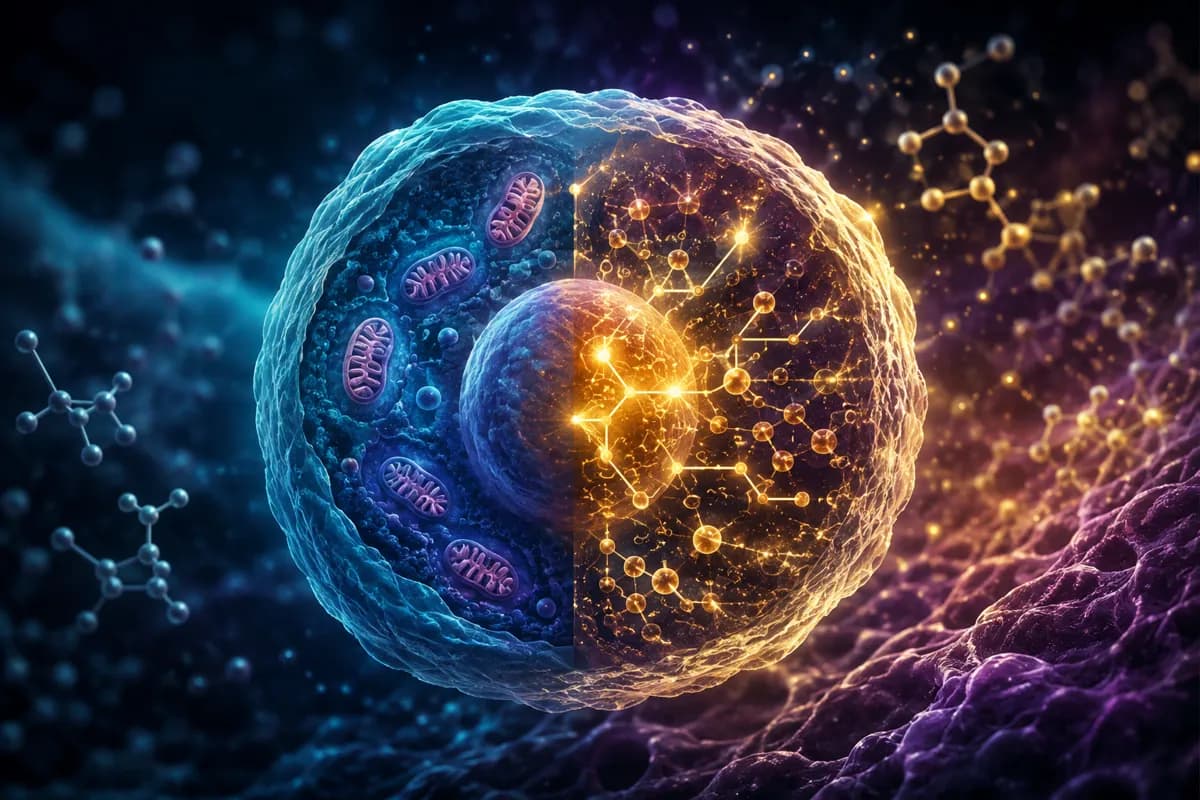
Cancer has long been considered a genetic disease, with gene mutations and genomic instability driving uncontrolled cell proliferation. However, an alternative perspective has gained traction in recent years – that cancer fundamentally originates from metabolic dysfunction. According to Dr. Tom Seyfried, a leading proponent of the metabolic theory of cancer, damage to cellular respiration and energy production in mitochondria starts the cascading path towards malignancy. When cells can’t effectively extract energy from glucose and oxygen, they resort to more primitive fermentation pathways for survival. This mirrors conditions early in evolution before oxygen was abundant. As long as ample fermentable fuels like glucose are present, these damaged cells can proliferate rapidly in an unregulated manner.
Over a century of research supports this view. From the pioneering work of Nobel Laureate Otto Warburg in the 1930’s on cancer cell fermentation, to more recent genetic transfer experiments showing normal mitochondria can suppress tumorigenic tendencies, the evidence points to metabolic dysfunction initiating cancer development. The multitude of provocative agents linked to cancer risk – carcinogens, radiation, viruses, inflammation – all appear to work through damaging respiration. Even the small subset of cancers involving inherited germline mutations seem to confer risk by compromising cellular respiration. The downstream mutations observed are likely a side effect, not the root cause.
Targeting Cancer Metabolism for Prevention and Treatment
If abnormal energy metabolism enables cancer to emerge and progress, logically the disease may be prevented and managed by optimizing this metabolism.
Dietary interventions aim to limit fermentable substrates like glucose and glutamine that malignant cells rely upon, while providing alternative fuels like ketones and fatty acids to nourish healthy cells. The calorie-restricted ketogenic diet (KD-R) is particularly promising, spurring extended fasting-like metabolism and blood levels of ketone bodies while restricting insulin-raising carbohydrates. Animal studies confirm broad efficacy for the KD-R blocking cancer progression without toxicity. Early clinical reports also look encouraging. According to Seyfried, the diet mimics “press pause” on tumor growth by altering systemic metabolism. Other evidence-based strategies like intermittent/prolonged fasting, stress reduction and exercise support cellular respiration and may slash cancer risk.
At a treatment level, Seyfried advocates a “press stop” approach, hitting cancer harder once the body has shifted towards fat-burning and physiological ketosis. Potential options include:
- Glucose/glycolytic pathway inhibitors
- Glutaminase inhibitors
- Oxygen therapy – Ketogenic state sensitizes tumors to oxidative stress
- Off-label drugs targeting metabolism – “Dirty drugs” affecting multiple pathways
The key is carefully timing interventions to maximize synergy, building a metabolically-informed “cocktail” with lifestyle modification as the foundation. Ideally this rapidly stabilizes disease without toxicity, though evidence still limited in human trials.
Understanding Metastasis and Cancer Vulnerabilities
Metastasis, the process of cancers spreading to distance sites, causes the vast majority of cancer deaths and treatment failures. Insights from Seyfried again indicate metabolic factors enabling metastasis and potential weaknesses to exploit. Remarkably, metastatic cancer cells appear to arise not from mutations in primary tumour tissue, but through transition of immune cells like macrophages and neutrophils to fermentative metabolism. These normally mobile scavenger cells already occupy tissues throughout the body, are fusogenic, and thrive in low-oxygen environments. Add tumorigenic mitochondria and metabolic changes, and they transform into metastatic cancer stem cells – the end stage, difficult-to-eradicate cells that seed new metastatic tumours.
Recognizing this aberrant macrophage origin reveals vulnerabilities though. Their evolutionary role resists DNA-damaging chemotherapy and radiation meant to halt replication. And anti-angiogenic drugs aiming to block blood vessel formation show little efficacy when their normal state already survives without extensive vascular support. Instead,ENERGY homeostasis offers a soft underbelly – metabolically squeezing their maximal glucose appetite and preventing macrophage fusion with tumour cells should limit metastatic efficiency.
Applying Metabolic Insights for Cancer Prevention
If cancer begins with metabolic dysfunction, optimizing energy metabolism long-term provides powerful prevention on an individual and societal scale. Seyfried is blunt that “cancer is probably one of the most preventable diseases” despite poor prevention success so far.
Why the gap? Widespread exposures in the modern world corrode cellular respiration – psychological stress, sedentary habits, chronic inflammation from diet, gut dysbiosis, toxins. Genetically we remain Stone Age humans struggling to adapt. Add penetration of environmental carcinogens and loss of traditional lifestyles, and no wonder age-adjusted cancer incidence continues rising.
While total prevention success unlikely soon given engrained lifestyle challenges, Seyfried sees hope emerging. Growing scientific consensus on metabolic drivers is gradually overturning the mutation-focused paradigm. Wellness-conscious consumers increasingly demand food quality supporting health. Availability of nutritional ketosis guidance and technology expands. Ultimately personal responsibility and policy-level changes that promote metabolic wellbeing over decades are key to reducing the global burden of cancer.
Translating Science to Save Lives
Cancer remains an urgent crisis with clinical needs far outstripping research attention and funding. How long before metabolic therapies make a tangible difference for those fighting cancer now?
Seyfried believes the therapeutic framework for long-term cancer control can be in place within years, not decades – convinced the science confirms it as an addressable challenge. But work remains to systematically optimize combinations of drugs, diet, oxygen and de-stressing modalities for safe, effective delivery. Even determining optimal dose scheduling involves reams of experimentation mapping interactions.
With little funding attraction from conventional funding bodies, progress relies on leveraging philanthropic donations and partnerships with open-minded clinics. Seyfried praises networks like Travis Christofferson’s Single Cause Single Cure Foundation that uniquely support translation of non-toxic metabolic therapies. Ultimately, public awareness and consumer pull may accelerate wider adoption most powerfully. Offering hopeful options beyond the cut/burn/poison status quo empowers patients to choose paths aligning with their values.
The message is clear – cancer is not an inevitable genetic boogeyman beyond understanding or control, nor terminal verdict to accept. A new era that looks upstream to metabolic roots promises gentler, more effective pathways to tame this unsolved scourge of humanity.