 PRADEEP ALBERT
Rethinking Protein: The Essential Nutrient for Healthy Aging and Muscle Mass
Introduction
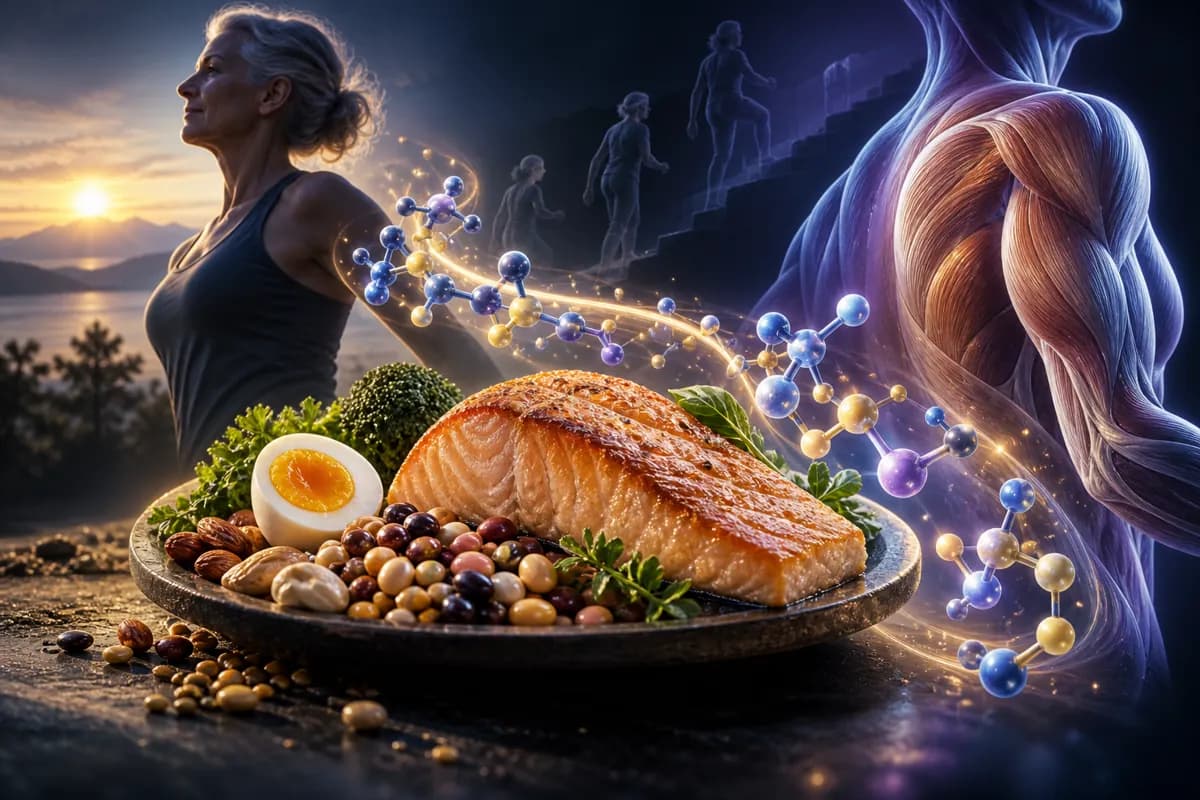
In the world of nutrition and health, there is an ongoing debate surrounding protein intake. Conflicting messages about whether we should eat more or less protein and whether animal or plant protein is better have left many confused. However, emerging research suggests that protein, especially animal protein, may be the forgotten key to healthy aging and maintaining muscle mass.
The Importance of Muscle Mass
Muscle is not just important for movement and strength. It is a critical metabolic organ that plays a vital role in glucose disposal, lipid oxidation, and overall health as we age. The concept of “muscle-centric medicine” highlights the central role of muscle in preventing and managing chronic diseases such as diabetes, cardiovascular disease, and even Alzheimer’s.
Unfortunately, many people are unaware of the silent epidemic of muscle loss, known as sarcopenia. As we age, we naturally lose muscle mass, which can lead to frailty, falls, and a loss of independence. Maintaining muscle mass through proper nutrition and exercise is essential for healthy aging.
The Protein Controversy
The debate around protein intake is complex and often driven by conflicting agendas. On one hand, some argue that we should reduce our intake of animal protein for health and environmental reasons. On the other hand, research suggests that as we age, we may need more high-quality protein to maintain muscle mass and prevent sarcopenia.
The current recommended dietary allowance (RDA) for protein, 0.8 grams per kilogram of body weight, may not be sufficient for optimal health, especially as we age. Studies suggest that older adults may need double the RDA to maintain muscle mass and prevent sarcopenia.
Animal vs. Plant Protein
Not all proteins are created equal. Animal proteins, such as those found in meat, eggs, and dairy, are considered complete proteins because they contain all the essential amino acids needed for muscle synthesis. Plant proteins, while beneficial, often lack certain essential amino acids and are less bioavailable.
Leucine, one of the branched-chain amino acids (BCAAs), is particularly important for stimulating muscle protein synthesis. Animal proteins are rich in leucine, while plant proteins typically have lower amounts. This means that vegans and vegetarians may need to consume more total protein and supplement with BCAAs to meet their needs.
Protein and Disease Risk
Concerns about the associations between meat intake and diseases such as cancer and heart disease are largely based on epidemiological studies that cannot prove causation. These studies often fail to account for other lifestyle factors such as overall calorie intake, physical activity, and smoking.
When looking at the relative risk ratios in these studies, the associations between meat intake and disease are often weak. A risk ratio below 2.0 is considered weak and may not be clinically significant. In contrast, the risk ratio for smoking and lung cancer is around 20, indicating a strong causal relationship.
Sustainability and the Environment
The sustainability and environmental impact of meat production is a valid concern. However, the contribution of meat production to greenhouse gas emissions and climate change may be overstated compared to other factors such as transportation and food waste.
Regenerative agriculture practices, such as rotational grazing, have the potential to sequester carbon and improve soil health. Additionally, eating locally sourced foods and reducing food waste can have a significant impact on the environmental footprint of our diets.
Optimal Protein Intake
So, how much protein should we be eating? The answer may depend on individual factors such as age, muscle mass, and physical activity level. As a general guideline, aiming for 30-50 grams of high-quality protein per meal and a daily intake around your ideal body weight in pounds may be beneficial for maintaining muscle mass and overall health.
It’s important to note that protein intake should be balanced with other macronutrients and nutrient-dense foods such as fruits, vegetables, and healthy fats. A varied and balanced diet that includes high-quality protein sources is key for optimal health and longevity.
Conclusion
The role of protein in health and aging is complex and often misunderstood. While the debate around animal vs. plant protein and sustainability is ongoing, the importance of maintaining muscle mass through adequate protein intake cannot be ignored.
As we navigate the conflicting messages around nutrition and health, it’s essential to focus on the evidence and make informed choices that support our individual needs and values. By prioritizing muscle health and consuming high-quality protein as part of a balanced diet, we can optimize our health and well-being as we age.