 PRADEEP ALBERT
Stem Cells: The Fountain of Youth for Longevity and Healthy Aging?
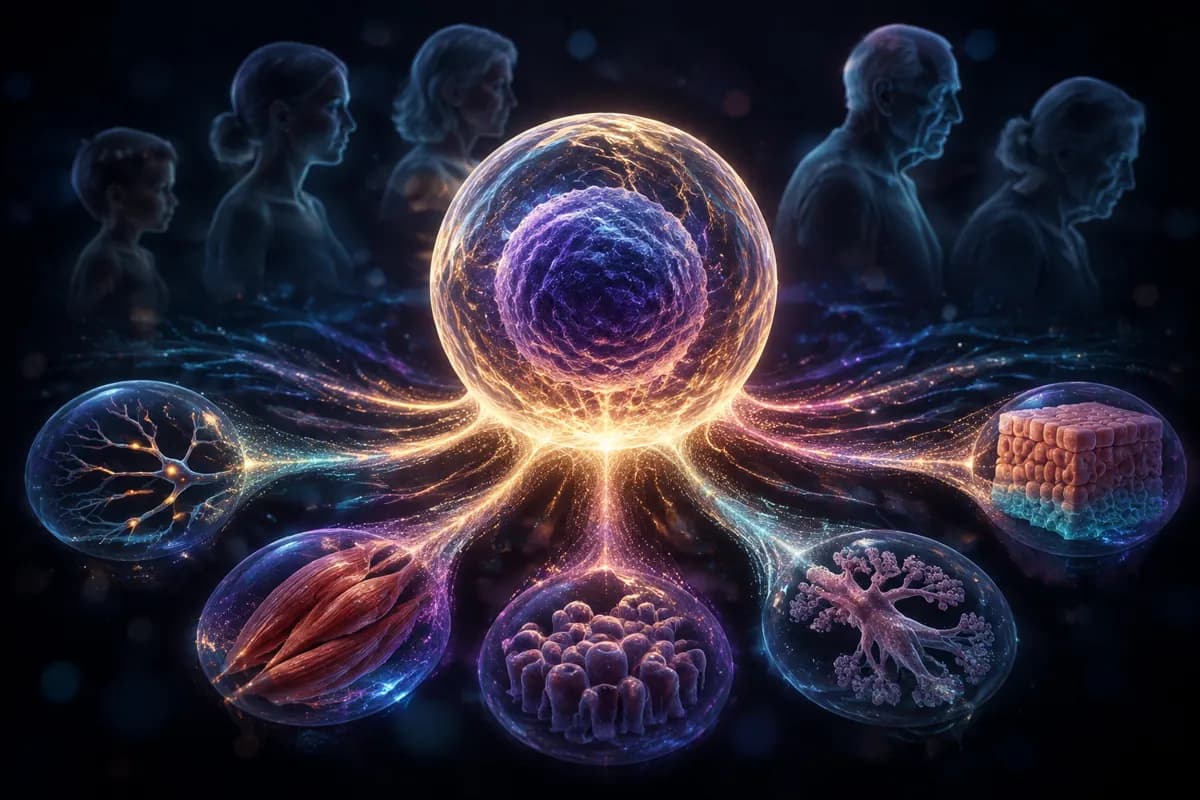
As we age, our bodies gradually lose the ability to efficiently repair and regenerate tissues, leading to many signs of aging and age-related diseases. However, emerging research suggests that stem cells may counteract this decline by enhancing the body’s innate regenerative capacity. In this article, we will explore how stem cells might act as a “fountain of youth” to promote longevity and prevent the deterioration associated with aging.
What are Stem Cells and How Do They Function?
Stem cells possess two key defining properties – the ability to self-renew by dividing to produce more stem cells, and the capacity to differentiate into the many specialized cell types in the body. Several different stem cell populations exist, each with their own roles.
- Embryonic stem cells derived from early embryos can generate any cell type.
- Adult stem cells reside in tissues and regenerate specific cell lineages – for example, blood stem cells replenish red blood cells, while intestinal stem cells maintain the intestinal lining.
- Mesenchymal stem cells found in bone marrow, fat and other tissues can form bone, cartilage, fat and connective tissue cells.
Stem cells support normal tissue homeostasis and repair by replacing cells lost to damage or normal turnover. However, the number and function of stem cells declines substantially with age, reducing regenerative capacity.
Mechanisms By Which Stem Cells May Promote Longevity
Introducing new stem cells later in life may counteract this age-related deterioration through several key mechanisms:
- Cell replacement – Transplanted stem cells can engraft within tissues and differentiate into mature cell types, directly substituting for cells lost to senescence.
- Paracrine signaling – Stem cells secrete a multitude of growth factors and cytokines that stimulate survival, proliferation and repair of endogenous cells.
- Mitochondrial transfer – Tunneling nanotubes physically transfer healthy mitochondria from stem cells to damaged cells to restore metabolic function.
- Immune modulation – Stem cells reduce chronic inflammation and shift macrophage polarization to regenerative phenotypes that clear debris.
- Amyloid/Tau modulation – Stem cell secretions favorably influence pathogenic protein aggregation implicated in Alzheimer’s disease.
By orchestrating these diverse beneficial effects throughout the body, stem cell therapies may help rejuvenate aged tissues and extend healthy lifespan.
Preclinical Evidence for Stem Cells Enhancing Longevity
Animal models provide initial proof-of-concept for the anti-aging potential of stem cells. In rodents, systemic infusion of bone marrow or adipose-derived mesenchymal stem cells increased average and maximum lifespan by up to 27% and attenuated age-related cognitive and physical decline. The treated aged mice displayed improved exercise endurance, learning ability and memory compared to untreated controls.
Transplanted stem cells reduced inflammatory cytokine levels and enhanced antioxidant capacity. Amyloid-beta plaques and neurofibrillary tangles linked to Alzheimer’s disease were diminished in stem cell treated mice. Interestingly, even injection of extracellular vesicles secreted by mesenchymal stem cells extended lifespan and delayed onset of age-related symptoms. These potent paracrine effects reveal that stem cells need not permanently engraft to confer benefits.
While not yet tested over the full human lifespan, induced pluripotent stem cell-derived neural progenitor transplants into aged mice similarly restored youthful structure and function to the aged brain. Stem cells have also delayed aging of the skin, muscles and immune system in animal studies, highlighting their systemic effects.
Ongoing Clinical Research on Stem Cells for Longevity
Early phase human trials are now beginning to translate these preclinical findings into clinical applications for extending healthspan. Mesenchymal stem cells are the most common stem cell type studied, owing to their accessibility and lack of ethical concerns. Results have proven mesenchymal stem cell infusions safe with minimal side effects in elderly subjects.
Pilot studies found single intravenous injections of mesenchymal stem cells stabilized cognitive decline compared to expected trajectories in Alzheimer’s patients monitored up to a year, suggesting neuroregenerative benefits. Other trials administering mesenchymal stem cells to aged individuals with frailty, heart failure, diabetes and kidney disease also found hints of improved function, strength and quality of life versus controls.
These promising safety and feasibility results have paved the way for larger placebo-controlled efficacy studies. One 120 patient trial is treating Alzheimer’s subjects with human umbilical cord mesenchymal stem cells, measuring impacts on cognition, daily function and biomarkers over 2 years. Similar studies are underway targeting a spectrum of age-related conditions. Early results support multi-year follow up to better characterize long-term effects.
Optimizing Stem Cell Therapies for Longevity and Healthy Aging
Further research must continue elucidating how transplanted stem cells interact with the aged body and how their rejuvenating activity can be enhanced. Systemically injecting cells likely provides generalized benefits, but methods to target specific tissues may improve outcomes. Repeated doses could help sustain benefits, but ideal frequency remains uncertain.
Combining cell therapy with drugs like senolytics that clear senescent cells could have synergistic impacts. Patient-specific iPSC-derived cells may enable personalized treatments. Tracking cell biodistribution via imaging and biosensors will provide insights to refine delivery. As safety is confirmed over extended periods, trials can explore intervening earlier in the aging process to maximize prevention.
While not literally a “fountain of youth”, data coalescing around stem cell therapy for aging and age-related disease is compelling. With vigilant science-based application, stem cells have legitimate potential to extend our healthspans by restoring the body’s innate regenerative capacity that declines over time. By leveraging stem cells’ multifaceted rejuvenating properties, maintaining youthful function and resilience throughout life may become a realistic possibility.