 PRADEEP ALBERT
The Comprehensive Guide to Multiple Sclerosis: From Pathophysiology to Future Treatments
Introduction
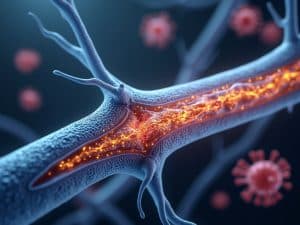
Multiple Sclerosis (MS) represents one of the most complex and challenging neurological disorders facing modern medicine. This chronic autoimmune condition affects nearly 3 million people worldwide, with its impact extending far beyond physical symptoms to encompass profound psychological and social dimensions. The disease’s hallmark is the progressive degradation of the myelin sheath – the protective covering of nerve fibers in the central nervous system – leading to a wide array of neurological symptoms that can significantly impact quality of life. Understanding MS requires a comprehensive examination of its multifaceted nature, from its biological mechanisms to its broader implications for patient care and treatment.
Recent years have witnessed substantial advances in our understanding of MS, particularly regarding its environmental triggers and physiological mechanisms. Research has revealed intricate connections between environmental toxins, viral infections, and gut health in the development and progression of MS. Furthermore, the marked gender disparity in MS occurrence, with women being three times more likely to develop the condition than men, has prompted deeper investigation into hormonal and genetic factors. These discoveries have opened new avenues for both conventional and integrative treatment approaches, emphasizing the need for a more holistic understanding of the condition.
The complexity of MS demands a multifaceted approach to treatment and management, incorporating both traditional medical interventions and complementary therapies. From nutritional protocols and supplement strategies to physical therapy and psychological support, the landscape of MS care continues to evolve. This comprehensive review examines the fundamental aspects of MS pathophysiology, explores environmental and physiological triggers, evaluates various treatment strategies, and addresses the crucial role of psychological support in managing the condition. By integrating current research with practical therapeutic applications, this article aims to provide healthcare practitioners and patients with a thorough understanding of MS and its management options.
As we move through each section, we will explore the intricate relationship between environmental factors and disease progression, evaluate the effectiveness of various treatment modalities, and examine the vital role of emotional and community support in MS management. Special attention will be given to emerging research in areas such as the gut-brain axis, neuroplasticity, and trauma-informed care, offering readers a cutting-edge perspective on this challenging condition. Throughout this exploration, we maintain a focus on evidence-based approaches while acknowledging the importance of individualized care in managing Multiple Sclerosis.
Core Concepts
At its core, Multiple Sclerosis is characterized by a fundamental disruption of the central nervous system’s protective mechanisms. The myelin sheath, a fatty substance that wraps around nerve fibers like insulation around an electrical wire, becomes the target of the body’s own immune system. This autoimmune response results in inflammation and subsequent damage to the myelin, creating areas of scarring (sclerosis) that disrupt normal nerve signal transmission. These disruptions can occur anywhere within the central nervous system, including the brain, spinal cord, and optic nerves, which explains the wide variety of symptoms that patients may experience.
The progression of MS typically follows one of several distinct patterns, each with its own characteristics and challenges. Relapsing-remitting MS (RRMS), the most common form, features clearly defined attacks of new or increasing neurological symptoms followed by periods of partial or complete recovery. Secondary progressive MS (SPMS) often develops as a later stage of RRMS, characterized by steady progression with or without relapses. Primary progressive MS (PPMS), seen in approximately 10-15% of cases, shows gradual, continuous worsening of symptoms from the onset without early relapses or remissions.
The role of environmental factors in MS development has gained increasing attention, particularly regarding their interaction with genetic predisposition. Vitamin D deficiency, often associated with reduced sun exposure, has emerged as a significant risk factor, especially in regions farther from the equator. This geographical correlation helps explain the higher prevalence of MS in northern latitudes. Additionally, exposure to certain viruses, particularly the Epstein-Barr virus (EBV), has been strongly linked to MS development, suggesting that viral triggers may initiate the autoimmune response in susceptible individuals.
The gut-brain axis represents another crucial avenue in understanding MS pathophysiology. Recent research has revealed that intestinal permeability, often referred to as “leaky gut syndrome,” may contribute to systemic inflammation and autoimmune responses that affect neurological function. The gut microbiome, comprising trillions of microorganisms, plays a vital role in immune system regulation and inflammation control. Disruptions in this delicate ecosystem may contribute to the development and progression of MS, highlighting the importance of dietary and lifestyle factors in disease management.
The concept of neuroplasticity – the brain’s ability to form new neural connections and reorganize existing ones – has become increasingly relevant in MS treatment strategies. While the disease process may damage certain neural pathways, the brain’s inherent adaptability can sometimes compensate by developing alternative routes for signal transmission. This understanding has led to the development of targeted physical therapy programs and cognitive rehabilitation techniques that aim to maximize functional recovery and maintain cognitive abilities despite ongoing disease progression.
The influence of chronic stress and trauma on MS cannot be overlooked, as these factors can significantly impact both disease onset and progression. The body’s stress response system, including the hypothalamic-pituitary-adrenal (HPA) axis, plays a crucial role in immune system regulation. Chronic activation of this system through ongoing stress or unresolved trauma can lead to immune dysfunction and increased inflammation, potentially exacerbating MS symptoms and accelerating disease progression. This understanding has led to the integration of stress management techniques and trauma-informed care approaches in comprehensive MS treatment protocols.
Current Understanding
Multiple Sclerosis fundamentally disrupts the central nervous system’s protective mechanisms through an autoimmune response targeting the myelin sheath, the protective covering surrounding nerve fibers. This autoimmune attack triggers inflammation and subsequent damage to the myelin, creating characteristic areas of scarring (sclerosis) that impair normal nerve signal transmission. The damage can occur throughout the central nervous system – including the brain, spinal cord, and optic nerves – resulting in diverse neurological symptoms that vary significantly among patients and over time.
The disease typically manifests in several distinct progression patterns, each presenting unique challenges for both patients and healthcare providers. Relapsing-remitting MS (RRMS), affecting approximately 85% of patients initially, features clearly defined attacks of new or intensifying symptoms followed by periods of partial or complete recovery. As the disease advances, many RRMS patients transition into secondary progressive MS (SPMS), characterized by steady neurological decline with or without superimposed relapses. A smaller subset of patients, roughly 10-15%, experiences primary progressive MS (PPMS), marked by continuous symptom deterioration from onset without early remissions.
Environmental factors play a crucial role in MS development, particularly in genetically susceptible individuals. Vitamin D deficiency, often linked to insufficient sun exposure, has emerged as a significant risk factor, helping explain the disease’s higher prevalence in regions farther from the equator. Viral infections, especially Epstein-Barr virus (EBV), have shown strong associations with MS development, suggesting their potential role as triggers for the autoimmune response. Additionally, exposure to environmental toxins and certain lifestyle factors may contribute to disease onset and progression through complex interactions with the immune system.
Recent research has highlighted the critical importance of the gut-brain axis in MS pathophysiology. The intestinal microbiome, comprising trillions of microorganisms, significantly influences immune system regulation and inflammation control. Disruptions in gut barrier integrity, often termed “leaky gut syndrome,” may contribute to systemic inflammation and autoimmune responses affecting neurological function. This understanding has led to increased focus on dietary interventions and lifestyle modifications aimed at optimizing gut health as part of comprehensive MS management strategies.
Neuroplasticity has emerged as a crucial concept in MS treatment, offering hope for functional recovery and symptom management. While MS damages certain neural pathways, the brain’s remarkable ability to form new connections and reorganize existing ones provides opportunities for adaptation and recovery. This understanding has influenced the development of targeted physical therapy programs and cognitive rehabilitation techniques designed to maximize functional capacity and maintain cognitive abilities despite disease progression. The integration of neuroplasticity principles into treatment protocols represents a significant advance in MS care, promoting more effective and personalized therapeutic approaches.
The impact of chronic stress and psychological trauma on MS has gained increasing recognition in recent years. The body’s stress response system, particularly the hypothalamic-pituitary-adrenal (HPA) axis, significantly influences immune function and inflammation levels. Chronic stress activation or unresolved trauma can lead to immune dysregulation and increased inflammation, potentially exacerbating MS symptoms and accelerating disease progression. This understanding has led to the incorporation of stress management techniques, trauma-informed care approaches, and psychological support systems as essential components of comprehensive MS treatment strategies.
Clinical Applications
In clinical practice, the complex nature of Multiple Sclerosis requires a strategically structured approach to assessment and treatment implementation. The initial evaluation should include comprehensive neurological examination, detailed history-taking with particular attention to environmental exposures, and careful documentation of symptom patterns. Practitioners should establish baseline measurements of functional capacity using standardized assessment tools, while simultaneously screening for common comorbidities such as depression, anxiety, and sleep disorders that can significantly impact treatment outcomes.
Treatment implementation should follow a staged approach, beginning with the establishment of foundational interventions before progressing to more specialized therapies. The first phase typically involves optimizing basic health parameters through targeted nutrition interventions, stress management techniques, and sleep hygiene protocols. This may include implementing an anti-inflammatory diet protocol, with special attention to gut health optimization, and establishing a consistent sleep schedule supported by appropriate environmental modifications. Regular monitoring of vitamin D levels and other key nutritional markers helps guide supplementation strategies and dietary adjustments.
Physical therapy and movement interventions should be carefully tailored to each patient’s current functional status and energy reserves. The concept of energy conservation becomes crucial in clinical application, with activities structured to maximize therapeutic benefit while minimizing fatigue. Practitioners should implement a “pacing” approach, where physical activities are interspersed with adequate rest periods. This might involve dividing exercise sessions into shorter segments throughout the day rather than one longer session, and carefully monitoring symptoms during and after activity to optimize the intervention intensity.
Psychological support must be integrated systematically throughout the treatment process, rather than treated as a separate component. Clinicians should regularly assess emotional well-being and stress levels using validated screening tools, while implementing specific stress management techniques appropriate to the patient’s circumstances. This might include scheduling regular check-ins focused on emotional health, providing resources for stress reduction techniques such as meditation or breathing exercises, and facilitating connections with support groups or counseling services. The timing and intensity of these interventions should be adjusted based on disease activity and personal circumstances.
Environmental modification recommendations should be specific and actionable, taking into account the patient’s living and working conditions. This includes practical suggestions for reducing exposure to environmental toxins, optimizing home and workplace ergonomics, and implementing appropriate temperature regulation strategies. Clinicians should provide detailed guidance on creating a supportive home environment, including specific recommendations for adaptive equipment and modifications to daily routines that can help maintain independence and reduce fatigue. Regular reassessment of these modifications ensures their continued effectiveness as the disease progresses or symptoms change.
Future Implications
The future landscape of Multiple Sclerosis management appears poised for significant transformation, driven by emerging technologies and deepening understanding of disease mechanisms. Artificial intelligence and machine learning algorithms are likely to revolutionize early detection and progression monitoring, potentially identifying subtle patterns in imaging and biomarker data years before clinical symptoms manifest. This early warning system, combined with advancing understanding of genetic and environmental triggers, may enable preventive interventions in high-risk individuals before significant neurological damage occurs. Additionally, personalized medicine approaches using genetic and microbiome profiling could allow for more targeted therapeutic strategies, moving beyond the current one-size-fits-all treatment protocols.
Emerging research into neuroregeneration and myelin repair mechanisms suggests promising developments in treatment capabilities. Advanced stem cell therapies, currently in early clinical trials, may offer potential for actual myelin regeneration rather than just damage prevention. These approaches, combined with targeted immunomodulation techniques, could fundamentally alter the disease’s progression pattern. Novel drug delivery systems, including nanotechnology-based approaches, may provide more effective means of crossing the blood-brain barrier, dramatically improving the efficacy of therapeutic agents while minimizing systemic side effects. The integration of these technologies with existing treatments could create more comprehensive and effective treatment protocols.
The role of environmental factors in MS is likely to gain increased attention, particularly as climate change and environmental toxin exposure continue to impact global health patterns. Advanced environmental monitoring systems and wearable technology may provide real-time data on exposure to potential triggers, allowing for more proactive risk management. This could lead to the development of “environmental medicine” protocols specifically designed for MS patients, combining protective strategies with therapeutic interventions. Furthermore, the growing understanding of the gut-brain axis suggests that microbiome manipulation through advanced probiotics or targeted dietary interventions may become a central component of MS treatment, potentially offering new ways to modulate immune response and reduce inflammation.
Perhaps most significantly, the integration of virtual reality and advanced neurofeedback systems could revolutionize rehabilitation approaches. These technologies may provide more engaging and effective ways to maintain neuroplasticity and cognitive function, while also offering new tools for pain management and stress reduction. Remote monitoring capabilities and telemedicine platforms will likely evolve to provide more comprehensive care delivery, particularly for patients in underserved areas. This technological evolution, combined with advancing understanding of neurological recovery mechanisms, suggests a future where MS management becomes increasingly sophisticated, personalized, and effective at maintaining quality of life for affected individuals.
Practical Considerations
Implementing comprehensive care protocols for Multiple Sclerosis requires careful attention to practical considerations and potential barriers to success. One of the primary challenges involves coordinating multiple treatment modalities while managing patient energy levels and cognitive load. To address this, practitioners should develop a staged implementation plan that introduces new interventions gradually, typically starting with fundamental lifestyle modifications before advancing to more complex therapeutic strategies. For example, rather than immediately implementing a full dietary overhaul, begin with simple anti-inflammatory food substitutions and gradually expand the protocol over 4-6 weeks while monitoring patient adaptation and compliance.
Managing the logistics of treatment timing and scheduling presents another significant challenge, particularly when coordinating multiple therapies and healthcare providers. Creating a structured weekly schedule that accounts for energy fluctuations is essential. Morning hours often prove most productive for physical therapy and cognitive exercises due to reduced fatigue levels, while stress management and relaxation techniques may be more beneficial in the evening. Practitioners should help patients develop a detailed calendar that includes rest periods between activities and builds in flexibility for days when symptoms are more severe. This schedule should also account for the practical aspects of medication timing, supplement administration, and meal planning to optimize treatment effectiveness.
Environmental modifications require careful consideration of both feasibility and cost-effectiveness. While comprehensive home adaptations may be ideal, many patients face financial or practical limitations. A stepped approach to environmental changes can help address this challenge. Begin with high-impact, low-cost modifications such as optimizing room temperature control, reducing toxic cleaning products, and implementing basic ergonomic improvements. More substantial modifications can be prioritized based on individual needs and resources. Additionally, practitioners should be familiar with local resources and support programs that may assist with funding or implementing necessary modifications.
The integration of stress management and psychological support often faces barriers related to accessibility and stigma. To address this, practitioners can implement a combination of in-person and digital support options. Telemedicine platforms can provide regular check-ins and monitoring, while mobile applications offering guided meditation and stress reduction techniques provide flexible support options. Building a support network should begin early in the treatment process, with clear pathways for accessing both professional psychological care and peer support groups. Regular assessment of emotional well-being using standardized tools helps track progress and identify areas requiring additional support, ensuring that psychological care remains an integral part of the overall treatment strategy.
Patient education and family involvement represent crucial elements for successful implementation. Developing clear, accessible educational materials that explain complex concepts in straightforward language helps improve understanding and compliance. Regular family education sessions can help create a supportive home environment and ensure consistent implementation of treatment protocols. These sessions should include practical demonstrations of assistance techniques, discussions of energy conservation strategies, and guidance on recognizing and responding to symptom changes. Creating a communication system between healthcare providers, patients, and family members helps maintain consistency in care and allows for rapid response to changing needs or emerging challenges.
Frequently Asked Questions About Multiple Sclerosis
What are the earliest signs of Multiple Sclerosis that I should watch for?
Early signs of MS can vary significantly among individuals but commonly include fatigue that doesn’t improve with rest, vision problems (such as blurred or double vision), numbness or tingling in the extremities, and balance issues. These symptoms often come and go initially, which can make them easy to dismiss. Less commonly recognized early symptoms might include cognitive difficulties, often described as “brain fog,” and unexplained muscle weakness, particularly on one side of the body.
How does diet affect Multiple Sclerosis progression?
Diet plays a crucial role in MS management through its impact on inflammation and gut health. Research indicates that an anti-inflammatory diet rich in omega-3 fatty acids, fresh vegetables, and low in processed foods can help reduce inflammation and support myelin health. The gut-brain axis connection means that maintaining a healthy gut microbiome through proper nutrition can positively influence immune system function and potentially slow disease progression. Many MS specialists recommend Mediterranean-style eating patterns or modified ketogenic diets, combined with appropriate supplementation under medical supervision.
Can stress really make MS symptoms worse?
Yes, stress has a direct impact on MS symptoms and disease progression. Chronic stress activates the body’s inflammatory response and can disrupt immune system function, potentially triggering or worsening MS flares. The body’s stress response system, particularly the hypothalamic-pituitary-adrenal (HPA) axis, influences inflammation levels and immune regulation. This is why stress management techniques such as meditation, breathing exercises, and regular physical activity are considered essential components of comprehensive MS treatment plans.
What is the relationship between vitamin D and Multiple Sclerosis?
Vitamin D plays a crucial role in immune system regulation and has been strongly linked to MS risk and progression. Research shows that people with lower vitamin D levels have a higher risk of developing MS, and maintaining adequate vitamin D levels may help reduce disease activity in those who already have MS. This relationship helps explain the higher prevalence of MS in regions farther from the equator, where natural sun exposure (a primary source of vitamin D) is limited. Regular monitoring of vitamin D levels and appropriate supplementation under medical supervision is typically recommended for MS patients.
How does Multiple Sclerosis affect cognitive function?
MS can impact cognitive function through multiple mechanisms, primarily through the disruption of neural pathways caused by demyelination and inflammation in the brain. Common cognitive symptoms include difficulties with memory, information processing speed, attention, and executive function. However, the brain’s neuroplasticity means that cognitive rehabilitation techniques and targeted exercises can help maintain and sometimes improve cognitive function. Early intervention with cognitive training, combined with stress management and proper sleep hygiene, can help minimize cognitive impact and maintain mental sharpness.
What role does physical therapy play in MS treatment?
Physical therapy serves multiple crucial functions in MS treatment. It helps maintain muscle strength and flexibility, improves balance and coordination, and can help prevent complications from reduced mobility. Importantly, physical therapy programs are designed to work with the body’s natural neuroplasticity, helping to create new neural pathways that can compensate for areas damaged by MS. Regular, appropriately-paced physical therapy can also help manage fatigue through energy conservation techniques and maintain independence in daily activities. The key is working with a therapist experienced in MS to develop a program that balances activity with adequate rest to prevent overexertion.
Closing
The management of Multiple Sclerosis continues to evolve as our understanding of this complex neurological condition deepens. From the fundamental mechanisms of myelin degradation to the intricate interplay between environmental factors, gut health, and immune function, research has illuminated new pathways for intervention and treatment. The emergence of personalized medicine approaches, combined with a growing appreciation for the role of lifestyle factors and psychological well-being, has transformed MS care from a purely pharmaceutical approach to a comprehensive, integrative framework that addresses multiple aspects of patient health.
The future of MS treatment holds considerable promise, with advancing technologies and therapeutic strategies offering new hope for improved outcomes. Artificial intelligence-driven diagnostics, targeted immunomodulation, and innovative rehabilitation techniques using virtual reality and neurofeedback systems are poised to revolutionize patient care. Additionally, the growing understanding of neuroplasticity and myelin repair mechanisms suggests potential breakthroughs in treating not just symptoms but the underlying disease processes. As research continues to uncover the complex relationships between environmental factors, genetic predisposition, and immune system function, treatment protocols will become increasingly sophisticated and personalized, offering better outcomes for individuals living with MS.
Looking ahead, the successful management of Multiple Sclerosis will likely depend on the seamless integration of conventional medical approaches with emerging therapeutic modalities, supported by advanced technology and a deeper understanding of individual patient needs. The emphasis on early intervention, comprehensive care protocols, and patient-centered treatment strategies will continue to grow, while the role of preventive measures and environmental modifications may become increasingly significant. As we advance our understanding of this challenging condition, the focus remains on improving quality of life for MS patients while working toward more effective treatments and, ultimately, a cure.