 PRADEEP ALBERT
The Human Gut Microbiome: A Comprehensive Guide to Health, Longevity, and Disease Prevention
Introduction
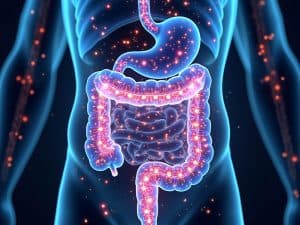
The human gut microbiome, a complex ecosystem of trillions of microorganisms, has emerged as one of the most pivotal frontiers in modern medical science. This intricate community of bacteria, fungi, and other microorganisms fundamentally influences nearly every aspect of human health, from basic metabolic functions to cognitive performance and emotional well-being. Recent advances in genomic sequencing and metabolomic analysis have revealed that this microscopic world within us is far more sophisticated and influential than previously understood, containing over 100 trillion bacteria and more than 3 million unique genes.
The significance of the gut microbiome has gained unprecedented attention in recent years, particularly as researchers uncover its far-reaching implications for human longevity and disease prevention. Studies of super-centenarians have identified distinct microbial signatures that may contribute to exceptional longevity, while groundbreaking research has established clear connections between gut dysbiosis and various chronic conditions, including depression, autoimmune disorders, and cancer. The gut-brain axis, a bidirectional communication network between the digestive system and neural tissues, has become a central focus in understanding how bacterial populations influence mental health and cognitive function.
This comprehensive exploration delves into five crucial aspects of gut microbiome science and its practical applications. Beginning with fundamental microbiome composition and function, we examine the fascinating relationship between dietary polyphenols and longevity, followed by an in-depth analysis of the gut-brain connection and its impact on mental health. The discussion then turns to the microbiome’s role in disease prevention and treatment, particularly focusing on emerging therapeutic approaches in immunology and cancer care. Finally, we present evidence-based strategies for optimizing gut health through dietary interventions, lifestyle modifications, and environmental considerations, providing a practical framework for harnessing the microbiome’s potential to enhance overall health and well-being.
Core Concepts
The foundational understanding of gut microbiome science begins with the concept of bacterial colonization, which starts at birth and continues to evolve throughout life. During natural childbirth, infants receive their first exposure to beneficial bacteria from the mother’s birth canal, establishing the initial microbial community that will ultimately develop into a complex ecosystem. This early colonization period is crucial, as it sets the stage for immune system development and metabolic programming that can influence health outcomes throughout life.
The gut microbiota functions as a metabolic organ, performing essential tasks that human cells cannot accomplish alone. These microorganisms break down complex carbohydrates, produce vital nutrients like vitamin K and various B vitamins, and generate important metabolites called short-chain fatty acids (SCFAs). SCFAs, particularly butyrate, propionate, and acetate, serve as energy sources for intestinal cells and regulate numerous physiological processes, including inflammation control and glucose metabolism. This metabolic activity demonstrates the symbiotic relationship between humans and their microbial inhabitants.
Central to microbiome health is the concept of microbial diversity, which refers to the variety and abundance of different bacterial species present in the gut. Higher diversity is generally associated with better health outcomes, as it provides resilience against pathogenic organisms and enables more robust metabolic functions. The microbiome composition is influenced by various factors, including diet, medication use (particularly antibiotics), stress levels, and environmental exposures. This dynamic nature means that the microbiome can be both disrupted by negative influences and enhanced through positive interventions.
The gut barrier function, maintained by the microbiome, represents a critical interface between the internal environment and external factors. This barrier consists of a single layer of epithelial cells joined by tight junctions, forming a selective barrier that allows beneficial nutrients to pass while blocking harmful substances. The microbiome helps maintain this barrier’s integrity through multiple mechanisms, including strengthening tight junctions and producing protective compounds that prevent pathogen colonization. When this barrier function is compromised, a condition known as increased intestinal permeability or “leaky gut” can develop, potentially leading to systemic inflammation and various health issues.
The microbiome’s influence extends far beyond the gut through various signaling pathways, including the production of neurotransmitters and immune system modulators. Gut bacteria produce approximately 90% of the body’s serotonin, a neurotransmitter crucial for mood regulation, and influence the production of other neurotransmitters like GABA and dopamine. This neurochemical production capability, combined with the vagus nerve’s direct communication pathway between the gut and brain, forms the basis of the gut-brain axis, explaining how microbiome health can impact cognitive function and emotional well-being.
The advancement of metagenomic sequencing technologies has revealed that the human gut microbiome contains over 3 million unique genes, dwarfing the approximately 23,000 genes in the human genome. This vast genetic potential enables the microbiome to perform a wide array of functions, from breaking down dietary compounds to producing novel metabolites that influence human health. Understanding this genetic diversity has led to new therapeutic approaches, including the development of precision probiotics and the identification of specific bacterial strains that may enhance treatment outcomes for various conditions, from inflammatory bowel disease to cancer immunotherapy.
Current Understanding
The human microbiome represents a complex ecosystem whose composition and function evolve significantly throughout an individual’s lifespan. This dynamic community begins forming at birth, with initial colonization occurring through exposure to maternal bacteria during natural delivery. During the first few years of life, the microbiome undergoes rapid development and diversification, establishing fundamental patterns that influence health outcomes well into adulthood. These early colonization patterns play a crucial role in developing the immune system, metabolic programming, and even neurological development.
Recent research has unveiled the remarkable relationship between dietary compounds, particularly polyphenols, and longevity through microbiome-mediated mechanisms. Polyphenols, abundant in foods like pomegranates, berries, and nuts, undergo transformation by gut bacteria to produce bioactive compounds such as Urolithin A, which has demonstrated significant potential in promoting cellular health and longevity. Studies of super-centenarians have revealed distinct microbial signatures characterized by enhanced capacity to metabolize these beneficial compounds, suggesting that specific bacterial populations may contribute to exceptional longevity through their ability to generate health-promoting metabolites.
The gut-brain axis has emerged as a critical pathway through which the microbiome influences mental health and cognitive function. This bidirectional communication system involves multiple mechanisms, including the production of neurotransmitters, immune system modulation, and vagus nerve signaling. Gut bacteria produce approximately 90% of the body’s serotonin, a neurotransmitter crucial for mood regulation, while also influencing the production of other essential neurochemicals like GABA and dopamine. Disruptions in this delicate balance, often caused by environmental toxins, stress, or poor diet, have been linked to various mental health conditions, including depression and anxiety.
The microbiome’s role in disease prevention and treatment has become increasingly apparent through research linking gut health to various chronic conditions. The concept of intestinal permeability, or “leaky gut,” has gained significant attention as a potential mechanism through which microbiome disruption can lead to systemic inflammation and disease. Furthermore, recent studies have demonstrated that the composition of gut bacteria can significantly influence the effectiveness of various medical treatments, particularly in cancer immunotherapy, where specific bacterial populations have been shown to enhance treatment responses and improve patient outcomes.
Optimizing gut health requires a multifaceted approach that addresses both dietary and environmental factors. The consumption of fermented foods, rich in live beneficial bacteria, has been shown to enhance microbiome diversity and function. Additionally, adequate fiber intake serves as a crucial substrate for beneficial bacteria, promoting the production of short-chain fatty acids that maintain gut barrier integrity and reduce inflammation. Emerging research also emphasizes the importance of minimizing exposure to environmental toxins, particularly agricultural chemicals and processed food additives, which can disrupt microbial communities and compromise gut health.
The current understanding of the microbiome continues to evolve, with new research revealing increasingly sophisticated interactions between gut bacteria and human health. Advances in metagenomic sequencing have identified over 3 million unique bacterial genes within the human gut, highlighting the vast potential for therapeutic applications. This genetic diversity enables the microbiome to perform a wide array of functions, from metabolizing dietary compounds to producing novel substances that influence human health and longevity. As our understanding deepens, the development of targeted interventions to optimize microbiome function represents a promising frontier in preventive medicine and therapeutic strategies.
Clinical Applications
In clinical practice, the application of microbiome science begins with comprehensive patient assessment, focusing on key indicators of gut dysfunction such as digestive symptoms, inflammatory markers, and mental health status. Practitioners should implement a systematic approach to evaluation that includes detailed dietary history, medication use (particularly antibiotics and NSAIDs), stress levels, and environmental exposures. This initial assessment provides crucial context for developing targeted interventions that address both acute symptoms and long-term microbiome health.
The translation of polyphenol research into clinical protocols requires careful attention to dietary implementation and patient compliance. Practitioners should develop structured dietary plans that incorporate diverse sources of polyphenols, with particular emphasis on seasonally available foods and cultural preferences. Clinical experience suggests that starting with small, manageable changes and gradually increasing polyphenol intake improves patient adherence. Specific recommendations might include daily consumption of berries, pomegranate, green tea, and specific herbs, with careful monitoring of patient response and adjustment of recommendations based on individual tolerance and health status.
Addressing the gut-brain axis in clinical practice requires a dual approach that simultaneously targets both digestive and mental health. When treating patients with mood disorders, practitioners should routinely assess gut health parameters and implement appropriate dietary modifications alongside traditional mental health interventions. This might include the strategic use of fermented foods, specific probiotic strains known to influence neurotransmitter production, and the elimination of potential trigger foods or environmental toxins. Regular monitoring of both gastrointestinal and psychological symptoms helps track treatment efficacy and guides necessary adjustments to the therapeutic protocol.
The practical implementation of microbiome-based disease prevention strategies requires systematic patient education and regular monitoring of compliance and outcomes. Clinicians should establish clear protocols for introducing therapeutic foods and supplements, with particular attention to potential detox reactions or temporary symptom exacerbation. Regular assessment of intestinal permeability markers, inflammatory indicators, and specific disease markers helps track progress and adjust interventions accordingly. This might include periodic stool analysis, food sensitivity testing, and monitoring of relevant blood markers to ensure therapeutic goals are being met.
Future Implications
The future of microbiome science points toward increasingly personalized therapeutic approaches, driven by advances in metagenomics and artificial intelligence-powered analysis. As our understanding of individual microbiome variations deepens, we can expect the development of highly targeted interventions that consider not only a person’s current microbial composition but also their genetic predispositions, environmental exposures, and lifestyle factors. This precision medicine approach may lead to the creation of customized probiotic formulations, tailored dietary protocols, and specific therapeutic compounds designed to modulate the microbiome in ways that enhance individual health outcomes.
Emerging research suggests that microbiome manipulation could revolutionize treatment approaches across multiple medical specialties. In oncology, the identification of specific bacterial signatures associated with improved immunotherapy responses may lead to standardized microbiome modification protocols as a routine component of cancer treatment. Similarly, in mental health care, the development of psychobiotics – specifically designed bacterial strains that influence mood and cognitive function – could provide new therapeutic options for conditions ranging from depression to neurodegenerative disorders. The potential for using engineered bacterial strains to deliver targeted therapeutic compounds directly to specific areas of the gut represents another promising frontier in drug delivery and treatment.
The integration of microbiome science with environmental health initiatives may reshape our approach to public health interventions. Growing evidence of the microbiome’s role in environmental toxin metabolism and immunity suggests that future public health strategies might include population-level microbiome monitoring as an indicator of environmental health impacts. This could lead to new approaches in urban planning, agricultural practices, and food system design that prioritize the preservation and enhancement of beneficial microbial communities. Additionally, the development of microbiome-based biomarkers for environmental exposure could provide early warning systems for potential public health threats and guide preventive interventions.
Beyond individual health applications, microbiome science is likely to influence broader aspects of human society, from food production to urban design. Advanced understanding of soil-plant-human microbiome connections may transform agricultural practices, leading to the development of farming methods that optimize both crop yields and the nutritional value of foods through microbial enhancement. In urban environments, the concept of “microbiome-friendly” architecture and design could emerge, with buildings and public spaces engineered to promote beneficial microbial exposures while minimizing harmful ones. These developments suggest a future where microbiome consideration becomes integral to how we structure our living environments and food systems.
Practical Considerations
The practical implementation of microbiome-focused health strategies requires careful consideration of individual patient factors, environmental conditions, and lifestyle constraints. When developing treatment protocols, practitioners should begin with a comprehensive baseline assessment that includes not only standard health metrics but also detailed evaluation of current dietary patterns, stress levels, sleep quality, and environmental exposures. This initial assessment helps identify potential barriers to implementation and allows for the development of personalized strategies that account for the patient’s unique circumstances and capabilities.
Common challenges in implementing microbiome-supportive protocols include patient compliance with dietary changes, proper timing of probiotic supplementation, and management of potential die-off reactions during the initial treatment phase. To address these challenges, practitioners should develop staged implementation plans that gradually introduce new dietary components and therapeutic interventions. For example, rather than immediately eliminating all processed foods and introducing multiple fermented foods simultaneously, a more successful approach might begin with adding one fermented food daily while gradually reducing processed food intake over several weeks. This measured approach helps minimize resistance and adverse reactions while building sustainable habits.
Environmental considerations play a crucial role in successful microbiome optimization. Patients should be educated about common environmental disruptors such as household cleaning products, personal care items, and water quality issues that can impact microbial balance. Practical solutions include providing specific product recommendations for microbiome-friendly alternatives, implementing simple water filtration systems, and developing strategies for minimizing toxin exposure in daily life. Additionally, practitioners should address the impact of common medications, particularly antibiotics and NSAIDs, by developing protocols for microbiome protection during necessary medical treatments and providing guidance for post-treatment restoration.
The integration of polyphenol-rich foods and fermented products requires careful attention to quality, timing, and individual tolerance. Practitioners should provide detailed guidance on food sourcing, preparation methods, and proper storage to maximize therapeutic benefits while minimizing potential adverse effects. For patients new to fermented foods, starting with small amounts (as little as 1 teaspoon daily) and gradually increasing intake helps prevent digestive discomfort and supports successful integration. Similar principles apply to polyphenol-rich foods, where beginning with readily available and well-tolerated options like berries or green tea can build a foundation for more diverse polyphenol intake over time.
Success in microbiome optimization requires ongoing monitoring and adjustment of interventions based on patient response and progress. Regular assessment of both objective markers (such as inflammatory indicators and digestive function) and subjective symptoms helps guide protocol modifications and ensures continued progress toward health goals. Practitioners should establish clear communication channels for patient support and develop specific metrics for tracking progress, including detailed symptom diaries, regular check-ins, and periodic comprehensive assessments. This systematic approach to monitoring and adjustment helps maintain patient engagement while maximizing therapeutic outcomes through personalized protocol optimization.
Frequently Asked Questions
How long does it take to see improvements in gut health after making dietary changes?
The timeline for noticeable improvements in gut health can vary significantly among individuals, but most people begin to experience positive changes within 2-4 weeks of consistent dietary modifications. Initial improvements might include better digestion, reduced bloating, and more regular bowel movements. However, substantial changes in microbiome composition typically require 3-6 months of sustained dietary and lifestyle modifications.
Can taking probiotics help restore gut health after antibiotics?
Yes, probiotic supplementation can help restore gut health after antibiotic treatment, but timing is crucial. Probiotics should be taken at least 2 hours apart from antibiotics, and it’s recommended to continue probiotic supplementation for at least 1-2 months after completing antibiotic treatment. However, focusing on a diverse, fiber-rich diet with fermented foods provides additional benefits that probiotic supplements alone cannot offer.
What role does stress play in gut health, and how can it be managed?
Stress significantly impacts gut health through the gut-brain axis, potentially disrupting bacterial balance, increasing intestinal permeability, and altering digestive function. Chronic stress can lead to reduced microbial diversity and increased inflammation. Managing stress through practices like meditation, regular exercise, and adequate sleep helps maintain healthy gut function and supports beneficial bacterial populations.
How does gut health affect weight management?
The gut microbiome plays a crucial role in weight management by influencing metabolism, appetite regulation, and nutrient absorption. Different bacterial populations can affect how efficiently calories are extracted from food and impact hormones that control hunger and satiety. Research shows that individuals with greater microbial diversity typically maintain healthier body weights, while reduced diversity is often associated with obesity.
What foods should I avoid to maintain optimal gut health?
For optimal gut health, minimize consumption of ultra-processed foods, artificial sweeteners, and foods high in added sugars, as these can disrupt beneficial bacterial populations and promote inflammation. Additionally, excessive alcohol consumption and foods containing antibiotics or pesticide residues can negatively impact microbiome health. Focus instead on whole, unprocessed foods rich in fiber and polyphenols, which support beneficial bacterial growth and diversity.
Can gut health impact immune function and inflammation?
The gut microbiome directly influences immune function, with approximately 70% of immune tissue located in the gut. A healthy microbiome helps train the immune system to distinguish between harmful and beneficial substances, reducing inappropriate inflammatory responses. Compromised gut health can lead to systemic inflammation and increased susceptibility to infections and autoimmune conditions.
Closing
The exploration of the human gut microbiome reveals a complex and dynamic ecosystem that fundamentally shapes human health, longevity, and disease resistance. From its essential role in metabolic processes and nutrient absorption to its profound influence on mental health and immune function, the microbiome emerges as a central mediator of overall wellness. The intricate connections between dietary choices, particularly polyphenol consumption and fermented foods, demonstrate how lifestyle factors can actively shape our microbial communities and, consequently, our health outcomes. This understanding provides a powerful framework for both preventive healthcare and therapeutic interventions across a broad spectrum of conditions.
As we look to the future, the field of microbiome science stands at the threshold of transformative advances. The development of precision probiotics, targeted therapeutic approaches, and personalized dietary protocols based on individual microbiome profiles promises to revolutionize medical treatment. The integration of artificial intelligence and advanced genomic sequencing technologies will likely unveil even more sophisticated understanding of host-microbe interactions, leading to novel therapeutic strategies for conditions ranging from mental health disorders to cancer. These developments suggest a future where microbiome optimization becomes a cornerstone of both preventive medicine and therapeutic interventions, offering new hope for addressing complex health challenges that have traditionally resisted conventional treatment approaches.