 PRADEEP ALBERT
The Intricacies of Heart Rate Variability and Alcohol
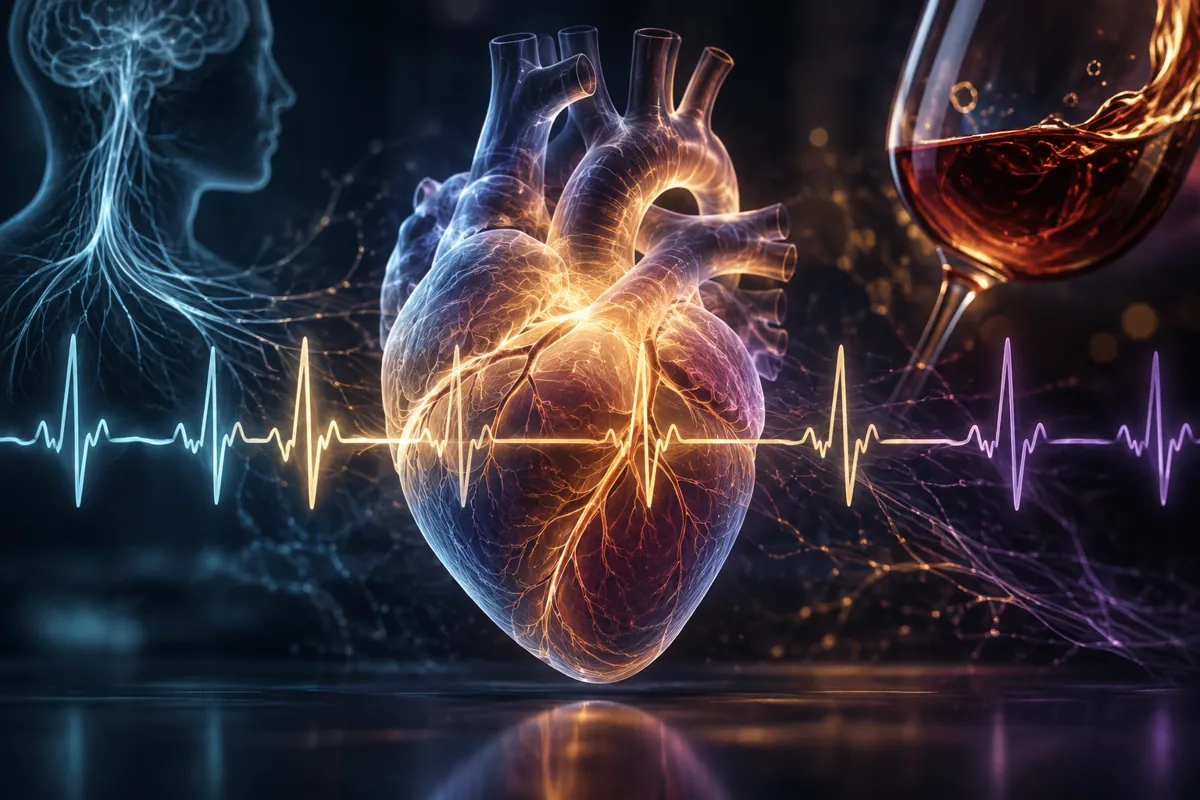
Understanding Heart Rate Variability
Heart rate variability (HRV) refers to subtle variations in the time intervals between heartbeats. It is typically measured in milliseconds using an electrocardiogram (EKG) or other chest-based heart rate monitor.
HRV provides insight into the balance between the sympathetic and parasympathetic branches of the autonomic nervous system. The sympathetic system controls the body’s fight-or-flight response, while the parasympathetic system regulates rest and digestion. Higher HRV is associated with greater parasympathetic tone and a state of relaxation.
Why Measure HRV?
Monitoring HRV can reveal important information about a person’s health and resilience to stress. Declining HRV has been linked to fatigue, anxiety, depression, and a range of chronic diseases.
Lifestyle factors like exercise, sleep, nutrition, and mindfulness practices can improve HRV. Thus, it serves as a useful biomarker to optimize wellness routines for greater energy, recovery, and overall vitality.
Alcohol and Heart Rate Variability
Alcohol is known to exert complex and often contradictory health effects depending on amount and frequency of use. This also applies to its impacts on HRV.
Acute Alcohol Consumption
In the hours immediately following alcohol intake, studies show an inhibitive effect on HRV and vagal tone. However, the dose-response relationship remains unclear.
Some research finds that moderate drinking causes less impairment than binge drinking. But an emerging view is that any alcohol acts as a physiological stressor, lowering HRV and disrupting optimal nervous system functioning.
Long-Term Alcohol Use
Over months and years, the relationship between drinking patterns and HRV grows more complex. While abstinence generally correlates with higher HRV, other studies suggest occasional or light drinking may still be compatible with healthy HRV in some individuals.
Potential factors mediating these long-term HRV impacts include nutritional status, liver function, sleep quality, exercise levels, and the extent of alcohol tolerance. The interplay between these areas requires further elucidation through rigorously controlled trials.
Key Takeaways
- Monitoring HRV provides insight into nervous system balance and stress resilience.
- Alcohol inhibits HRV acutely in a dose-dependent manner.
- Long-term relationships between drinking and HRV likely depend on a variety of mediating lifestyle and health factors.
For those seeking to optimize health and performance through lifestyle approaches, these findings suggest special caution and restraint around alcohol intake. While moderate drinking may be harmless or even beneficial for some people, it likely disrupts optimal stress resilience.
Given the acute inhibitory effects on HRV and the mixed evidence for benefits, alcohol abstinence or infrequent light intake appears the most prudent choice for those specifically looking to improve nervous system tone. As with many areas of health, alcohol in moderation may be fine for many people but likely suboptimal for reaching peak vitality.