 PRADEEP ALBERT
Understanding Mycotoxin Illness: A Comprehensive Guide to Diagnosis, Treatment, and Recovery
Introduction
Mycotoxin illness, a complex and often misunderstood condition, has emerged as a significant health concern affecting millions of people worldwide. These toxic compounds, produced by various species of mold, can infiltrate homes, workplaces, and other indoor environments, leading to a wide array of health complications. The impact of mycotoxin exposure extends far beyond simple allergic reactions, potentially causing severe neurological, immunological, and inflammatory responses that can dramatically affect quality of life and long-term health outcomes.
Recent years have witnessed a growing recognition of mycotoxin-related illnesses within the medical community, paralleling an increase in reported cases across diverse demographics. This surge can be attributed to multiple factors, including changing building practices, climate change effects on mold growth, and improved diagnostic capabilities. As research continues to unveil the intricate mechanisms through which mycotoxins affect human health, healthcare providers are increasingly acknowledging the need for comprehensive approaches to diagnosis, treatment, and prevention of mold-related illnesses.
This comprehensive guide explores the multifaceted nature of mycotoxin illness, beginning with fundamental concepts about mycotoxins and their sources, and progressing through clinical manifestations, diagnostic approaches, and treatment protocols. Particular attention is given to the various testing methods available for both environmental assessment and biological markers, as well as the latest evidence-based treatment strategies that incorporate both conventional and integrative medicine approaches. The guide also addresses the crucial aspects of long-term recovery and prevention, providing practical insights for both healthcare practitioners and affected individuals seeking to understand and address mycotoxin-related health challenges.
Core Concepts
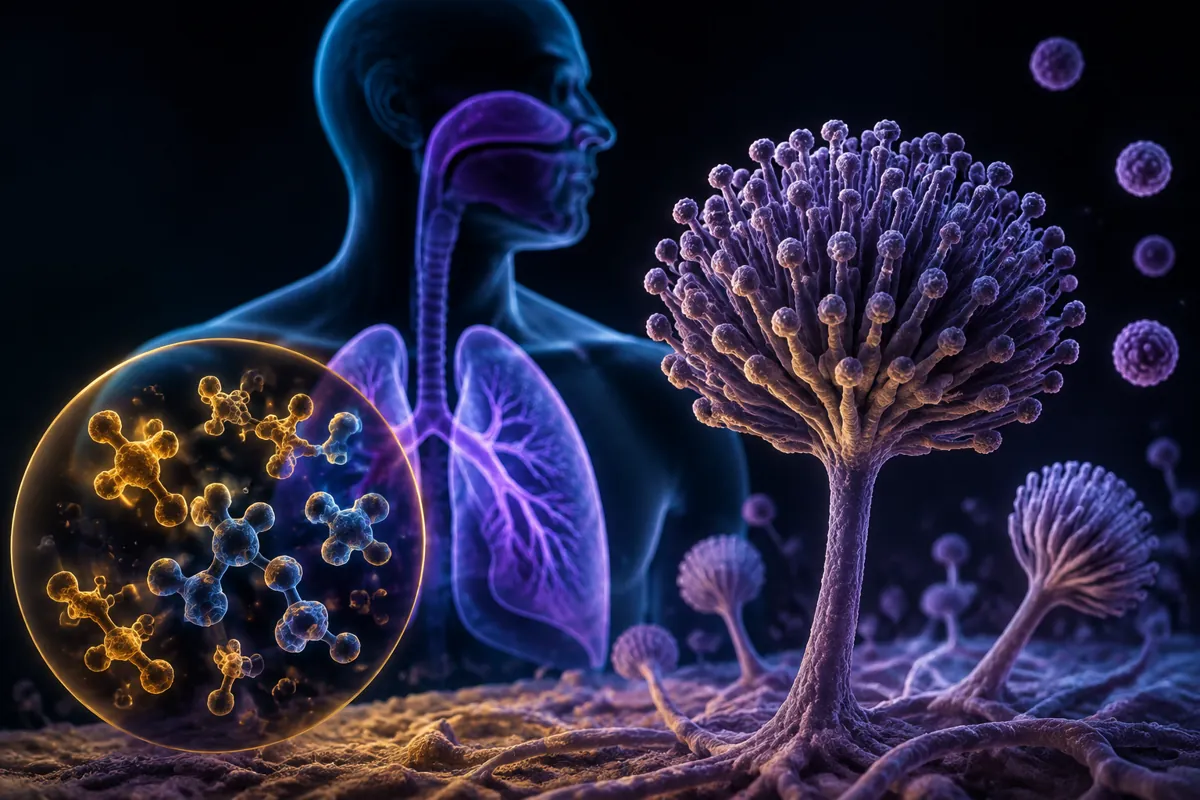
At the core of mycotoxin illness lies the fundamental interaction between toxic mold metabolites and human biology. Mycotoxins are secondary metabolites produced by various species of fungi, particularly those belonging to the Aspergillus, Penicillium, and Stachybotrys genera. These microscopic compounds can penetrate cellular membranes and disrupt essential biological processes, leading to systemic dysfunction throughout the body. The primary mechanism of damage occurs through oxidative stress, where mycotoxins generate excessive free radicals that overwhelm the body’s natural antioxidant defenses.
The human immune system plays a pivotal role in the body’s response to mycotoxin exposure, with particular emphasis on the innate immune system’s inflammatory response. When mycotoxins enter the body, they trigger a cascade of immune reactions, including the release of pro-inflammatory cytokines and the activation of specialized immune cells. This immune response, while initially protective, can become dysregulated in cases of chronic exposure, leading to persistent inflammation and tissue damage. The concept of immune system modulation is crucial in understanding both the progression of mycotoxin illness and potential therapeutic approaches.
The blood-brain barrier, a specialized interface between the circulatory system and central nervous system, represents another critical aspect of mycotoxin pathophysiology. Certain mycotoxins possess the ability to breach this protective barrier, leading to neuroinflammation and cognitive dysfunction. This mechanism explains many of the neurological symptoms associated with mycotoxin illness, including brain fog, memory problems, and mood disturbances. The concept of neuroinflammation serves as a bridge between exposure and the manifestation of cognitive symptoms, highlighting the systemic nature of mycotoxin illness.
Cellular detoxification pathways, particularly the glutathione system and methylation cycles, form the backbone of the body’s natural defense against mycotoxins. These biochemical processes work in concert to neutralize and eliminate toxic compounds from the body. However, genetic variations in detoxification enzymes can significantly impact an individual’s ability to process and eliminate mycotoxins effectively. Understanding these pathways is essential for developing targeted therapeutic interventions and explaining why some individuals may be more susceptible to mycotoxin illness than others.
The concept of bioaccumulation presents another crucial aspect of mycotoxin illness, as these compounds can accumulate in various tissues throughout the body, particularly in fat cells and the nervous system. This accumulation can lead to a progressive increase in toxic burden over time, even with relatively low-level exposure. The process of bioaccumulation helps explain why symptoms may persist or worsen even after the initial exposure has been eliminated, and why comprehensive detoxification strategies are often necessary for recovery.
The final core concept involves the role of environmental factors in both the development and perpetuation of mycotoxin illness. Factors such as humidity levels, building materials, and ventilation systems can significantly impact mold growth and mycotoxin production. Understanding these environmental determinants is crucial for both preventing exposure and creating effective remediation strategies. This ecological perspective completes the conceptual framework by connecting individual biological responses to broader environmental conditions, emphasizing the importance of addressing both internal and external factors in the treatment of mycotoxin illness.
Current Understanding
Mycotoxin illness represents a complex interplay between environmental exposures and human physiology, where toxic metabolites produced by various mold species interact with multiple body systems. These biological toxins are produced by several types of fungi, most commonly including Aspergillus, Penicillium, Stachybotrys, and Fusarium species. When these molds colonize damp building materials, they release mycotoxins that can become airborne or settle on surfaces, creating potential exposure pathways through inhalation, skin contact, or ingestion. Understanding these fundamental exposure mechanisms is crucial for both diagnosis and treatment approaches.
The clinical presentation of mycotoxin illness often manifests as a multisystem disorder, affecting various physiological processes throughout the body. Common symptoms include cognitive dysfunction (often referred to as “brain fog”), chronic fatigue, respiratory issues, and immune system dysregulation. The diversity of symptoms can be attributed to mycotoxins’ ability to disrupt cellular function, trigger inflammatory responses, and interfere with crucial metabolic pathways. This systemic impact explains why affected individuals often experience a wide range of seemingly unrelated symptoms, making diagnosis particularly challenging for healthcare providers.
The body’s response to mycotoxin exposure involves complex interactions between the immune system, detoxification pathways, and cellular repair mechanisms. When mycotoxins enter the body, they can trigger an inflammatory cascade that may become chronic if exposure continues or if the individual has genetic susceptibilities affecting detoxification capacity. The immune system’s response often includes increased production of inflammatory cytokines, altered T-cell function, and disruption of normal immune surveillance. This immune dysregulation can lead to increased susceptibility to infections and the development of autoimmune-like symptoms.
Recent advances in understanding mycotoxin illness have led to more sophisticated diagnostic approaches and treatment protocols. Modern testing methods can now detect specific mycotoxins and their metabolites in urine and blood, while genetic testing can identify variations in detoxification genes that may increase susceptibility. Treatment typically involves a comprehensive approach that includes environmental remediation, enhanced detoxification support, immune system modulation, and targeted nutritional interventions. This multi-faceted strategy reflects the complex nature of mycotoxin illness and the need to address both the underlying exposure and its physiological impacts.
Recovery from mycotoxin illness requires a systematic approach that addresses both immediate symptoms and long-term health restoration. Priority is given to removing the source of exposure through proper environmental assessment and remediation. Subsequently, treatment focuses on supporting the body’s natural detoxification processes through various interventions, including binding agents to help eliminate toxins, antioxidant support to combat oxidative stress, and targeted supplementation to address specific deficiencies. The recovery process often requires patience and persistence, as the body gradually clears accumulated toxins and repairs damaged systems.
Clinical Applications
In clinical practice, the approach to mycotoxin illness requires a methodical and patient-centered strategy that begins with careful environmental and medical history taking. Practitioners should specifically inquire about water damage events, visible mold growth, musty odors, and the temporal relationship between symptom onset and exposure to potentially contaminated environments. This initial assessment should be complemented by a thorough physical examination focusing on neurological, respiratory, and immunological manifestations. Special attention should be paid to cognitive function, balance, respiratory patterns, and any visible signs of immune dysfunction such as recurring infections or unusual inflammatory responses.
The diagnostic process in clinical settings typically follows a three-tiered approach. First, practitioners should consider ordering basic laboratory tests including comprehensive metabolic panel, complete blood count, inflammatory markers (such as C-reactive protein and erythrocyte sedimentation rate), and thyroid function tests to establish baseline health status and rule out other conditions. Second, specific mycotoxin testing through urine analysis can be employed to identify and quantify exposure to particular mycotoxins. Third, genetic testing for detoxification pathway variants (such as HLA-DR and MTHFR) can help predict individual susceptibility and guide treatment protocols. This systematic approach allows for more precise treatment planning and better patient outcomes.
Treatment implementation in clinical practice should follow a structured protocol while remaining flexible enough to accommodate individual patient needs and responses. Initial interventions typically focus on exposure reduction through environmental remediation guidance and temporary relocation if necessary. Binder therapy, typically starting with substances like activated charcoal or bentonite clay, should be introduced gradually to minimize potential healing reactions. The clinical protocol should then expand to include targeted supplementation with liposomal glutathione, methylation support, and specific antioxidants based on individual patient presentation and laboratory findings. Regular monitoring of symptoms and inflammatory markers helps guide treatment progression and necessary adjustments.
The practical management of mycotoxin illness in clinical settings must also address the psychological and social impacts of the condition. Practitioners should implement regular check-ins to assess treatment adherence, monitor for signs of healing reactions, and provide necessary emotional support. Treatment protocols should be adjusted based on patient tolerance and response, with careful attention to the timing and sequencing of interventions to prevent overwhelming the patient’s detoxification capacity. Documentation of environmental changes, symptom improvements, and treatment modifications helps track progress and inform ongoing care decisions.
Long-term clinical management requires establishing clear markers for progress and implementing strategies for preventing future exposure. Practitioners should develop specific criteria for advancing through treatment phases, including improvements in cognitive function, energy levels, and inflammatory markers. Regular reassessment of mycotoxin levels and inflammatory parameters helps guide treatment duration and intensity. Additionally, patient education about maintaining a mold-free environment and supporting ongoing detoxification becomes crucial for preventing relapse and maintaining long-term health improvements. This comprehensive approach ensures that theoretical understanding translates into practical, effective clinical outcomes.
Future Implications
The future of mycotoxin illness management is poised for significant advancement through emerging technologies and deepening scientific understanding. Current research trajectories suggest that personalized medicine approaches, particularly in genetic susceptibility profiling, will become increasingly sophisticated. Advanced genomic testing may soon allow clinicians to predict individual responses to mycotoxin exposure with greater accuracy, enabling more targeted preventive strategies and treatment protocols. This evolution in personalized medicine could lead to the development of specialized therapeutic agents designed to address specific genetic vulnerabilities in detoxification pathways.
Technological innovations in environmental monitoring and detection are likely to revolutionize the prevention and early intervention of mycotoxin exposure. The development of real-time mycotoxin sensors and smart building materials that resist mold growth could significantly reduce exposure risks in both residential and commercial settings. Additionally, advances in biomarker detection and monitoring may soon enable continuous assessment of mycotoxin levels through wearable devices or home testing kits, allowing for more immediate intervention when exposure occurs. These technological developments could shift the focus from treatment to prevention, potentially reducing the incidence of severe mycotoxin illness cases.
The therapeutic landscape for mycotoxin illness is expected to expand significantly with the emergence of novel treatment modalities. Current research into targeted immune modulators and enhanced detoxification agents suggests that more effective treatments may soon become available. Biotechnology advances could lead to the development of engineered probiotics or enzyme therapies capable of breaking down mycotoxins more efficiently within the body. Furthermore, the integration of artificial intelligence in diagnostic processes may enable more accurate identification of mycotoxin-related symptoms and more precise treatment protocols, potentially reducing the time from initial exposure to effective intervention.
The growing understanding of the microbiome’s role in health and disease may lead to breakthrough treatments for mycotoxin illness. Research indicates that the gut-brain axis plays a crucial role in the body’s response to environmental toxins, suggesting that future treatments might focus on microbiome manipulation to enhance natural detoxification processes and reduce inflammatory responses. Additionally, the development of advanced drug delivery systems could improve the efficacy of existing treatments by targeting specific tissues affected by mycotoxin exposure, potentially leading to more rapid and complete recovery for affected individuals.
Practical Considerations
Practical implementation of mycotoxin illness protocols requires careful attention to several key considerations that directly impact treatment success. The first priority is establishing a clear timeline for interventions, beginning with immediate exposure reduction while simultaneously initiating supportive treatments. Practitioners should develop a staged approach that typically starts with basic binders and gradually incorporates more advanced treatments as the patient’s tolerance improves. Common challenges at this stage include difficulties with temporary relocation during remediation and financial constraints related to environmental testing; these can be addressed through targeted resources for temporary housing options and prioritizing essential testing while deferring less critical assessments.
Treatment compliance often presents significant challenges, particularly given the complexity of most mycotoxin protocols. Patients frequently struggle with maintaining multiple supplement schedules, dietary restrictions, and lifestyle modifications simultaneously. A practical solution involves creating detailed treatment calendars with specific timing for medications and supplements, while using digital reminders and tracking apps to improve adherence. Additionally, breaking down the protocol into manageable phases helps prevent overwhelming patients and allows for better monitoring of individual interventions’ effectiveness. Regular check-ins, whether in-person or virtual, help identify and address compliance issues early in the treatment process.
Managing detoxification reactions represents another crucial practical consideration. As mycotoxins are mobilized and eliminated, patients may experience temporary symptom intensification, which can lead to treatment discontinuation if not properly managed. Implementing a “start low, go slow” approach with all interventions helps minimize these reactions. Practitioners should establish clear guidelines for managing healing reactions, including specific symptom thresholds that warrant protocol adjustments. Maintaining proper hydration, supporting lymphatic drainage through gentle exercise or massage, and having rescue protocols in place for severe reactions are essential components of successful treatment implementation.
Environmental modification presents ongoing challenges throughout the treatment process. Many patients struggle with maintaining a mold-free environment while managing daily responsibilities. Practical solutions include creating designated “clean zones” within the home, implementing effective air filtration systems, and developing specific protocols for handling potentially contaminated items. Regular environmental monitoring using moisture meters and air quality testing can help identify potential problems before they become severe. Additionally, establishing clear guidelines for maintaining optimal humidity levels and addressing water intrusion immediately helps prevent recontamination issues that could undermine treatment progress.
Integration with existing medical care requires careful coordination, particularly when patients are being treated for multiple conditions. Practitioners should develop clear communication protocols with other healthcare providers, ensuring that mycotoxin treatment doesn’t conflict with existing medications or treatments. Practical considerations include maintaining detailed documentation of all interventions, establishing clear lines of communication between providers, and developing protocols for managing acute health issues that may arise during treatment. Regular assessment of treatment interactions and careful monitoring of pharmaceutical effects helps maintain treatment safety and effectiveness while progressing toward recovery goals.
Frequently Asked Questions
How can I tell if my symptoms are related to mycotoxin exposure?
What types of testing are available for mycotoxin illness?
How long does recovery from mycotoxin illness typically take?
Can I stay in my home during mold remediation?
What dietary changes can help with mycotoxin illness recovery?
Will my insurance cover mycotoxin illness treatment?
What can I do to prevent recontamination after recovery?
Closing
As our understanding of mycotoxin illness continues to evolve, it becomes increasingly clear that this environmental health challenge requires a comprehensive, multifaceted approach to diagnosis, treatment, and prevention. The complex interplay between environmental exposure, individual genetic susceptibility, and systematic biological responses demands sophisticated solutions that address both immediate symptoms and long-term health restoration. The growing body of scientific evidence supporting the significant impact of mycotoxin exposure on human health has led to improved diagnostic capabilities, more effective treatment protocols, and better preventive strategies.
Looking ahead, the field of environmental medicine is poised for significant advances in mycotoxin illness management. Emerging technologies in environmental monitoring, more precise diagnostic tools, and personalized treatment approaches based on genetic profiling promise to revolutionize how we address this challenging condition. These developments, combined with increasing awareness among healthcare providers and the general public, suggest a future where mycotoxin illness can be more readily identified, effectively treated, and ultimately prevented through improved building practices and environmental monitoring.
The journey toward recovery from mycotoxin illness, while often challenging, is increasingly successful with proper identification, comprehensive treatment, and dedicated prevention strategies. As we continue to unlock the complexities of how mycotoxins affect human health, our ability to protect and heal those affected by these environmental toxins will only strengthen. The key to success lies in maintaining a balanced approach that combines the latest scientific understanding with practical, patient-centered treatment protocols, while never losing sight of the fundamental importance of creating and maintaining healthy indoor environments.