 PRADEEP ALBERT
Unlocking the Power of Circadian Rhythms for Optimal Health and Well-being

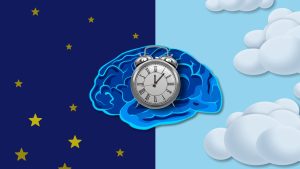
Circadian rhythms are an essential aspect of our overall health and well-being, playing a crucial role in regulating various bodily processes, including sleep, hunger, and hormonal activity. These daily cycles, which follow a roughly 24-hour pattern, are governed by an internal biological clock located in the hypothalamus of the brain, known as the suprachiasmatic nucleus. Understanding the science behind circadian rhythms and how to maintain their balance is key to optimizing our health and quality of life.
The Science Behind Circadian Rhythms
The suprachiasmatic nucleus, or SCN, is the master controller of our circadian rhythms. This tiny region of the brain, consisting of approximately 20,000 neurons, is highly sensitive to light perceived by the eyes. When exposed to light, the SCN triggers the release of hormones, such as cortisol, which helps us wake up and become fully alert at the appropriate time.
In addition to light, our bodies rely on other environmental cues, known as zeitgebers, to synchronize various circadian rhythms. These cues can include regular mealtimes, physical activity, and even social interactions. The field of chronobiology studies how these rhythms affect our bodies and how they can be harnessed to improve health outcomes, such as optimizing the timing of drug administration for cancer treatment.
Factors Disrupting Circadian Rhythms in Modern Life
In an ideal world, our circadian rhythms would be perfectly aligned with the natural cycle of day and night. However, the modern lifestyle presents numerous challenges that can disrupt these delicate balances, leading to a range of health issues. Some of the most common factors that can throw our circadian rhythms out of whack include:
- Exposure to artificial light from screens, such as computers, phones, and televisions
- Working overnight shifts or irregular work schedules
- Traveling across time zones, resulting in jet lag
- Environmental stressors, such as noise pollution or extreme temperatures
When our circadian rhythms are disrupted, we may experience difficulty falling asleep, staying asleep, or waking up at the desired time. This can lead to daytime fatigue, reduced focus and productivity, and even an increased risk of accidents. Chronic disruption of circadian rhythms has been linked to various health problems, including obesity, diabetes, cardiovascular disease, and certain types of cancer.
Resetting Circadian Rhythms for Better Health
While it may seem daunting to address circadian rhythm disruptions, there are several effective strategies that can help reset our internal clocks and promote better health. These include:
1. Maintaining a Consistent Sleep Schedule
One of the most important steps in resetting circadian rhythms is to establish and maintain a consistent sleep schedule. This means going to bed and waking up at the same time every day, even on weekends and during vacations. By sticking to a regular routine, our bodies can naturally adjust to the desired sleep-wake cycle, making it easier to fall asleep and wake up feeling refreshed.
If you need to adjust your sleep schedule, it’s best to do so gradually. For example, if you currently go to bed at midnight but want to shift to a 10 PM bedtime, start by moving your bedtime 30 minutes earlier each week until you reach your goal. This gradual approach allows your body to adapt more easily to the new routine.
2. Creating an Optimal Sleep Environment
The environment in which we sleep can have a significant impact on the quality and duration of our rest. To promote healthy circadian rhythms, it’s essential to create a sleep-friendly space that is dark, quiet, and cool. Consider using blackout shades or an eye mask to block out any artificial light, and invest in a comfortable mattress and pillows to ensure proper support and alignment.
Keeping the bedroom temperature on the cooler side, around 60-67°F (15-19°C), can also help facilitate better sleep, as our bodies naturally cool down when preparing for rest. If noise is an issue, try using earplugs or a white noise machine to create a more peaceful atmosphere.
3. Getting Morning Sunlight Exposure
Just as darkness is essential for sleep, exposure to natural light during the day is crucial for maintaining healthy circadian rhythms. Aim to get at least 20 minutes of sunlight each morning, preferably within an hour of waking up. This exposure helps suppress the production of melatonin, a hormone that promotes sleepiness, and stimulates the release of cortisol, which helps us feel alert and energized.
If possible, try to spend time outdoors during the day, whether it’s taking a walk during your lunch break or enjoying your morning coffee on the patio. Regular exposure to natural light helps reinforce the body’s natural sleep-wake cycle, making it easier to fall asleep at night and wake up feeling refreshed in the morning.
4. Exercising Regularly, but Not Late at Night
Physical activity is another important factor in maintaining healthy circadian rhythms. Regular exercise has been shown to improve sleep quality, boost melatonin production, and help regulate the body’s internal clock. However, the timing of your workouts is just as important as the activity itself.
Aim to exercise during the morning or early afternoon, when your body is naturally more alert and energized. Avoid intense workouts late at night, as the stimulating effects of exercise can interfere with your ability to wind down and fall asleep. If you prefer evening workouts, try to finish at least three hours before bedtime to give your body enough time to relax and prepare for sleep.
5. Limiting Caffeine and Alcohol Intake
Caffeine and alcohol are two substances that can significantly impact the quality and duration of our sleep, and consequently, our circadian rhythms. Caffeine, found in coffee, tea, and many soft drinks, is a stimulant that can remain in the body for several hours after consumption. If you’re sensitive to its effects, it’s best to avoid caffeine altogether or limit your intake to the morning hours.
Alcohol, on the other hand, may help you fall asleep more quickly, but it can disrupt the later stages of sleep, leading to more frequent awakenings and less restorative rest. To minimize the impact of alcohol on your circadian rhythms, try to limit your intake to one or two drinks per day, and avoid consuming alcohol within three hours of bedtime.
6. Reducing Exposure to Blue Light from Screens in the Evening
In our digital age, exposure to artificial light from electronic devices has become a significant contributor to circadian rhythm disruptions. The blue light emitted by screens, such as smartphones, tablets, and computers, can suppress the production of melatonin, making it more difficult to fall asleep at night.
To minimize the impact of blue light on your circadian rhythms, try to avoid using electronic devices for at least an hour before bedtime. If you must use screens in the evening, consider using blue light blocking glasses or installing apps that filter out the blue light from your devices. Additionally, try to limit your overall screen time and engage in more relaxing activities, such as reading a book or practicing meditation, as you prepare for sleep.
Rhythm as a Key Ingredient for Long-Term Health
In our quest for optimal health and well-being, it’s easy to focus solely on factors like diet, exercise, sleep, and stress reduction. However, the importance of rhythm in our daily lives should not be overlooked. By understanding and respecting our body’s natural circadian rhythms, we can create a foundation for long-term health and vitality.
Embracing a lifestyle that prioritizes regular sleep patterns, exposure to natural light, physical activity, and mindful consumption of caffeine and alcohol can help us maintain the delicate balance of our internal clocks. As we navigate the challenges of modern life, it’s crucial to remain aware of the factors that can disrupt our circadian rhythms and take proactive steps to mitigate their impact.
By cultivating a deeper understanding of the science behind circadian rhythms and implementing practical strategies to support their balance, we can unlock the power of these essential biological processes and pave the way for a healthier, more vibrant future.