 PRADEEP ALBERT
Unlocking the Power of Superfoods: A Comprehensive Guide to Optimal Nutrition
Introduction
In the quest for optimal health and wellness, the concept of superfoods has gained significant attention in recent years. Superfoods are nutrient-dense foods that provide a wide range of health benefits, often surpassing the nutritional value of other foods in the same category. By incorporating these powerhouse ingredients into our diets, we can support our bodies’ natural healing processes, boost immunity, and promote overall well-being.
Defining Superfoods
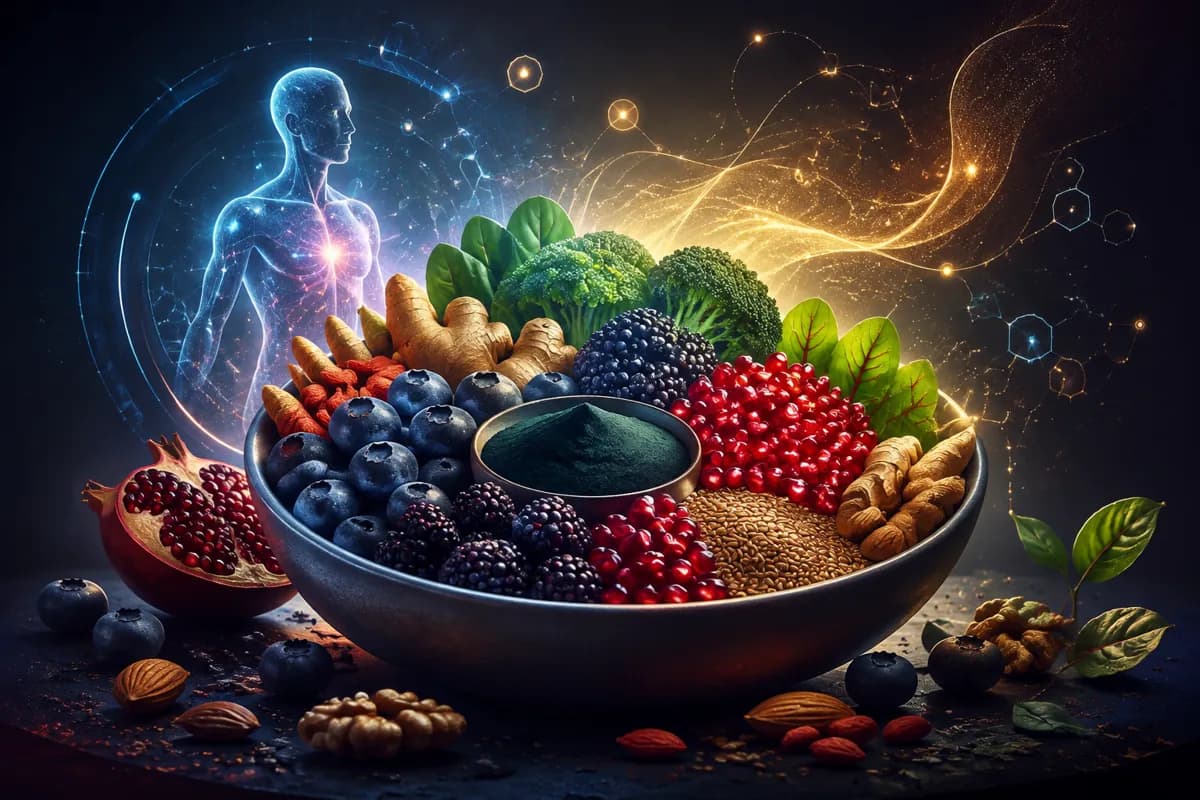
Superfoods are characterized by their exceptional nutrient density, offering a concentrated source of vitamins, minerals, antioxidants, and other beneficial compounds. These foods have been shown to provide greater health benefits compared to their counterparts, making them valuable additions to any well-balanced diet.
Some common examples of superfoods include:
- Berries: Blueberries, goji berries, and acai berries are packed with antioxidants and have anti-inflammatory properties.
- Leafy greens: Kale, spinach, and Swiss chard are rich in vitamins, minerals, and phytochemicals that support overall health.
- Nuts and seeds: Almonds, chia seeds, and flaxseeds provide healthy fats, protein, and fiber.
- Fermented foods: Kimchi, sauerkraut, and kefir contain beneficial probiotics that support gut health.
The Importance of Collagen
Collagen is a vital macronutrient that plays a crucial role in maintaining the health of our skin, hair, nails, bones, and joints. It is the most abundant protein in the human body, making up about one-third of our total protein content. However, as we age, our bodies’ natural collagen production declines, leading to visible signs of aging and potential health issues.
Incorporating collagen-rich foods into our diets can help support our bodies’ collagen needs. Some excellent sources of collagen include:
- Bone broth: Made by simmering animal bones and connective tissues, bone broth is a rich source of collagen, glucosamine, chondroitin, and hyaluronic acid.
- Collagen peptides: These are hydrolyzed forms of collagen that are easily absorbed by the body and can be added to smoothies, soups, and other dishes.
- Egg whites: The membrane that surrounds egg whites is a natural source of collagen.
- Wild-caught fish: Fish skin and scales contain collagen, making them a valuable addition to a collagen-boosting diet.
Plant-Based Options for Collagen Support
While collagen is primarily found in animal-based sources, there are still ways for vegans and vegetarians to support their bodies’ collagen production. Certain plant-based foods and supplements can help stimulate collagen synthesis and protect existing collagen from degradation.
Some plant-based options for collagen support include:
- Vitamin C-rich foods: Citrus fruits, berries, and leafy greens provide vitamin C, which is essential for collagen synthesis.
- Antioxidant-rich herbs and spices: Turmeric, ginger, and rosemary contain antioxidants that help protect collagen from damage caused by free radicals.
- Silica-rich foods: Bamboo shoots, leafy greens, and certain herbs like horsetail contain silica, a mineral that supports collagen production.
- Plant-based collagen boosters: Some supplements contain plant-derived ingredients, such as amino acids and botanicals, that can support collagen production.
Incorporating Superfoods into Your Diet
Adding superfoods to your daily meals is a simple and effective way to boost your nutrient intake and support overall health. Here are some ideas for incorporating superfoods into your diet:
- Breakfast: Start your day with a superfood smoothie made with berries, leafy greens, collagen peptides, and your choice of milk or yogurt.
- Lunch: Enjoy a colorful salad topped with nuts, seeds, and a variety of vegetable superfoods like bell peppers, carrots, and beets.
- Dinner: Incorporate wild-caught fish or grass-fed meat into your evening meal, alongside a generous portion of steamed or sautéed vegetables.
- Snacks: Reach for nutrient-dense snacks like raw nuts, seeds, and dried fruits to keep you energized throughout the day.
Superfoods as Supplements
While a well-balanced diet should always be the foundation of a healthy lifestyle, incorporating targeted supplements can provide additional support for specific health goals. Some superfood supplements to consider include:
- Greens powders: These supplements combine a variety of nutrient-dense greens, such as spirulina, chlorella, and wheatgrass, into a convenient powder form.
- Medicinal mushrooms: Reishi, lion’s mane, and cordyceps are just a few examples of mushrooms with powerful immune-boosting and adaptogenic properties.
- Omega-3 fatty acids: Fish oil or algae-based supplements provide essential fatty acids that support brain health, heart health, and reduce inflammation.
- Probiotics: These beneficial bacteria support gut health, immune function, and overall well-being.
The Importance of Personalized Nutrition
While superfoods offer a wide range of health benefits, it’s important to remember that individual nutritional needs can vary based on factors such as age, gender, health status, and personal goals. Working with a qualified healthcare professional, such as a registered dietitian or functional medicine practitioner, can help you develop a personalized nutrition plan that incorporates superfoods and other nutrient-dense foods tailored to your specific needs.
Additionally, it’s crucial to address any underlying health issues that may impact nutrient absorption or utilization. For example, individuals with digestive disorders may benefit from targeted gut healing protocols before focusing on incorporating specific superfoods.
Conclusion
Superfoods are a powerful tool in the pursuit of optimal health and wellness. By incorporating these nutrient-dense foods into our diets, we can support our bodies’ natural healing processes, boost immunity, and promote overall vitality. Whether you choose to focus on collagen-rich foods, plant-based options, or targeted supplements, the key is to develop a well-rounded, personalized approach to nutrition that meets your unique needs and goals.
As with any dietary change, it’s important to consult with a qualified healthcare professional to ensure that your nutrition plan is safe and effective for your individual circumstances. By combining the power of superfoods with a holistic approach to health and wellness, you can unlock your body’s full potential and enjoy a vibrant, thriving life.