 PRADEEP ALBERT
Unraveling the Mind-Body Connection: A Functional Medicine Perspective
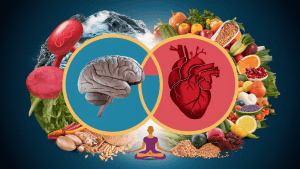
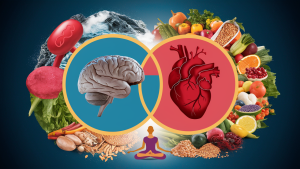
The complex interplay between our physical health and mental well-being is a topic of growing interest in the medical community. Functional medicine, a patient-centered approach to healthcare, seeks to uncover the root causes of health issues by examining the intricate connections between various systems in the body. By delving into the latest research and clinical insights, we can gain a deeper understanding of how factors such as autoimmunity, environmental toxins, nutrition, and mindfulness practices influence our overall health.
Alopecia: A Multifaceted Autoimmune Condition
Alopecia, a condition characterized by hair loss, has gained increased attention in recent times. While often associated with its most visible symptom, alopecia is a complex disorder that can have multiple underlying causes. Autoimmunity plays a significant role in alopecia areata, where the body’s immune system mistakenly attacks hair follicles, leading to patchy hair loss. However, other factors such as hormonal imbalances, medications, viruses, and trauma can also trigger different types of alopecia.
Functional medicine practitioners approach alopecia by conducting a comprehensive health history, analyzing lab results, and identifying the specific drivers of inflammation in each individual case. Treatment plans may vary depending on whether the alopecia is autoimmune or hormonal in nature, emphasizing the importance of personalized care.
The Hidden Dangers of Mold Exposure
Mold exposure has been linked to a range of health issues, particularly in the realm of mental health. Recent studies have shed light on the connection between mold and conditions such as depression and anxiety. Mycotoxins, the toxic substances produced by certain molds, can act as neurotoxins, disrupting brain function and leading to mood disorders.
Research has shown that specific mycotoxins, such as T2 toxin and ochratoxin, can induce neuronal cell death, deplete dopamine levels, and impact the hippocampus – a region of the brain crucial for memory and emotion regulation. Moreover, individual genetic susceptibility plays a role in how one responds to mold exposure, with some people being more sensitive than others due to variations in their ability to detoxify and clear out these harmful substances.
Functional medicine practitioners stress the importance of assessing a patient’s living environment and history of mold exposure when addressing mental health concerns. Testing for mold toxicity and implementing protocols to support detoxification pathways can be crucial steps in the healing process.
Navigating the World of Health Food Snacks
As the demand for healthier snack options continues to rise, it’s essential to be aware of the potential pitfalls in the health food industry. Many snacks marketed as “healthy” or “natural” may still contain ingredients that can contribute to inflammation and metabolic issues.
Industrial seed oils, such as canola, soybean, and sunflower oil, are commonly found in processed snacks. These oils are high in omega-6 fatty acids, which, when consumed in excess, can disrupt the balance of omega-3 to omega-6 in the body, leading to inflammation. Added sugars, even those with natural-sounding names like agave syrup, can also be problematic, contributing to insulin resistance and metabolic syndrome.
Other concerning ingredients to watch out for include food dyes, which have been linked to attention deficit disorders, and “natural flavors,” a catch-all term that can hide a multitude of additives, including MSG.
When selecting snacks, opting for minimally processed options with recognizable, whole-food ingredients is key. Reading labels carefully and supporting brands that prioritize transparency and clean sourcing can help navigate the often-confusing world of health food snacks.
The Impact of Light Exposure on Sleep and Metabolic Health
The quality and quantity of our sleep have far-reaching effects on our overall health, and recent research has highlighted the surprising impact of light exposure during sleep on metabolic function.
A study from Northwestern University found that even moderate light exposure during sleep can impair glucose metabolism and increase the risk of heart disease and diabetes. Participants who slept in a moderately lit room experienced increased heart rate and reduced insulin sensitivity compared to those who slept in a darkened environment.
The findings underscore the importance of optimizing sleep conditions for metabolic health. Practical tips include using blackout shades or eye masks to block out light, choosing dim, amber-colored night lights if needed for safety, and positioning beds away from direct outdoor light sources.
Prioritizing sleep hygiene and creating a dark, restful environment can have significant benefits for glucose regulation, cardiovascular health, and weight management.
The Power of Meditation in Reducing Errors and Improving Brain Function
Meditation, a practice that has gained increasing popularity in recent years, has been shown to have numerous benefits for mental health and cognitive function. A study from Michigan State University, the largest of its kind to date, found that even a single 20-minute session of meditation can help reduce the likelihood of making errors.
Using electroencephalography (EEG) to monitor brain activity, researchers discovered that participants who engaged in a brief meditation had improved neural signaling related to error recognition. This heightened awareness and ability to catch mistakes more quickly has implications for a wide range of settings, from academic performance to workplace productivity.
Incorporating mindfulness practices into daily life can help cultivate a greater sense of presence and attentiveness. While seated meditation is a common approach, mindfulness can be integrated into various activities, such as walking in nature, deep breathing exercises, or even mindful bathing rituals.
The key is to find a practice that resonates with the individual and to approach it with consistency and self-compassion. By making mindfulness a regular part of our routines, we can tap into the power of meditation to enhance our cognitive abilities and overall well-being.
The Future of Functional Medicine
As our understanding of the complex interplay between the mind and body continues to evolve, functional medicine is poised to play an increasingly important role in addressing the root causes of health issues. By taking a systems-based approach and considering the unique genetic, environmental, and lifestyle factors that influence each individual, functional medicine practitioners can develop targeted, personalized treatment plans.
Ongoing research in areas such as the gut-brain axis, the impact of environmental toxins on health, and the role of nutrition in disease prevention and management will continue to inform and refine functional medicine practices. As more individuals seek out holistic, patient-centered care, the demand for functional medicine practitioners who can navigate the intricacies of the mind-body connection will likely continue to grow.
Ultimately, the goal of functional medicine is to empower patients to take an active role in their own health, armed with the knowledge and tools to make sustainable lifestyle changes. By addressing the underlying imbalances that contribute to disease, functional medicine offers a promising path towards optimal health and well-being.