 PRADEEP ALBERT
2026 Longevity Trends: What's Actually Changing in Healthspan Science
LISTEN TO THIS ARTICLE
Dr. Pradeep Albert, MD, Longevity Medicine Expert

Read the transcript
Something shifted in my exam room this year. Patients used to ask me how to fix a problem. Now they ask how to stay ahead of it, how to know what is breaking down before it breaks. That is a different conversation, and it tells me the science of aging is finally reaching real people. The words are changing too. Not anti-aging, not even longevity, but healthspan. The years you spend actually feeling good, not just alive. And here is what I find genuinely exciting. A 2024 study in Nature showed that blocking a single protein extended lifespan in mice by about 25 percent. Alphabet's Calico was convinced enough to spend up to 596 million dollars on it. That therapy has already cleared its first human trial. These are not miracle cures. We are still early, and the honest results are measured, not magical. I walk through all five trends I am watching this year, in the article below.
Five Things I'm Watching This Year
Something shifted in my practice over the past twelve months, and it took me a while to put words around it. Patients used to come in asking how to fix a problem. A torn rotator cuff, a degenerative knee. Now they come in asking how to stay ahead of the curve. They want to know what's breaking down before it breaks. That is a fundamentally different conversation, and it tells me the 2026 longevity trends I've been tracking in the research literature are landing in the real world.
I'm not talking about wellness fads or the latest supplement somebody saw on social media. I'm talking about actual science, peer-reviewed and replicated, that's starting to change how we think about aging at the cellular level. Let me walk you through the five areas I think matter most this year.
The Biggest Change Isn't a Drug. It's How People Think About Getting Older.
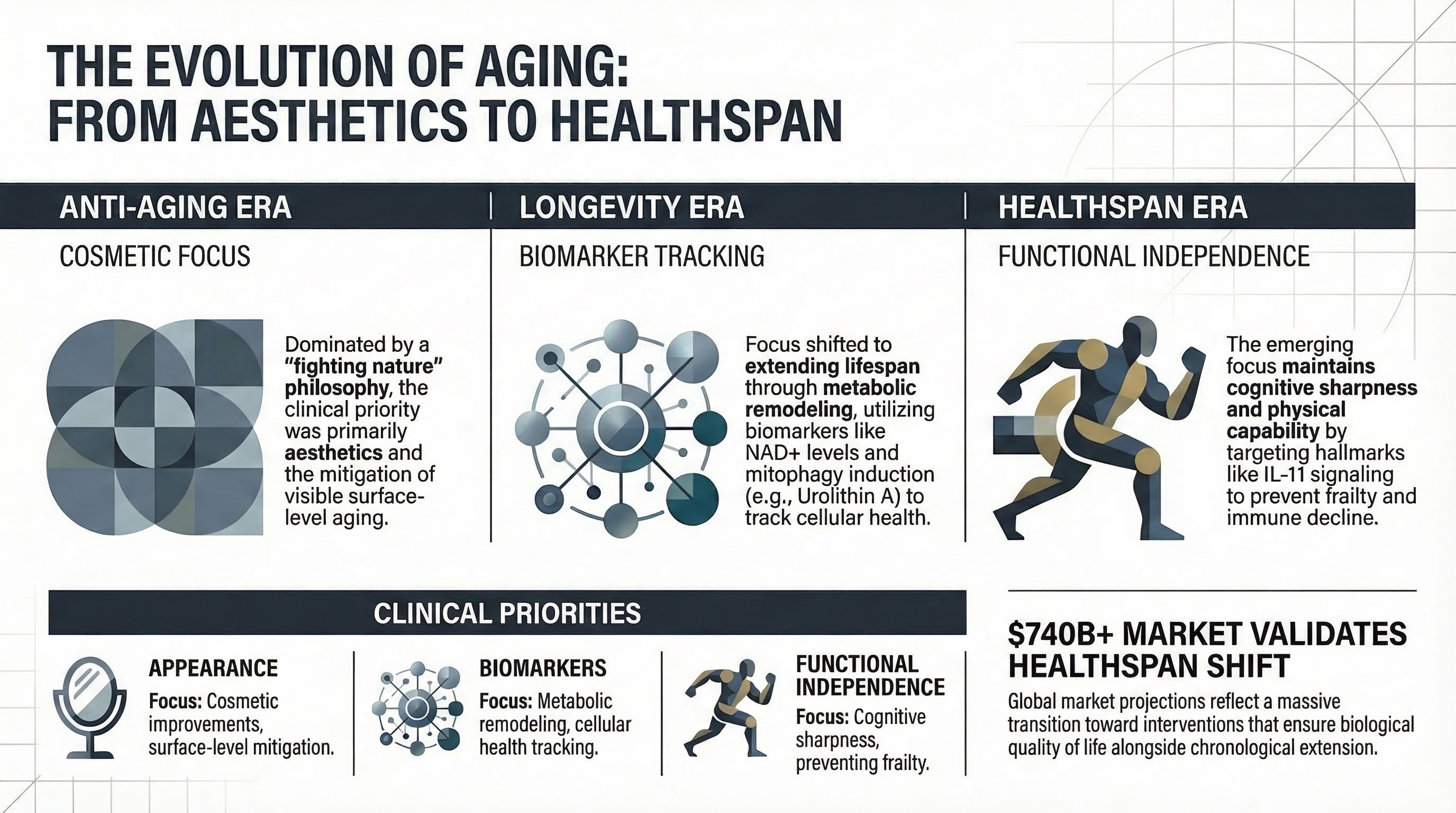
The language around aging is evolving fast. "Anti-aging" always sounded like you were fighting nature with a credit card and a prayer. "Longevity" is better because it implies purpose. But the term gaining real traction, the one I hear in clinical conversations every week, is "healthspan," which simply means the years you spend actually feeling good, not just alive.
That distinction matters more than most people realize. I see patients in their seventies who are sharper and more capable than some people in their fifties. The difference is not luck. It's that they maintained cognitive function, physical strength, and metabolic health throughout their later decades instead of accepting decline as inevitable. The longevity market overall is projected to exceed $740 billion in 2026, according to a recent Visiongain analysis. That kind of money follows real demand, not wishful thinking.
Longevity-focused practices are popping up everywhere now, combining advanced blood panels, genetic testing, and imaging with personalized interventions. This used to be a niche offering in Manhattan and Malibu. Now it's in suburban medical parks. In my opinion, that's one of the most encouraging 2026 longevity trends we're seeing.
Cellular Health: Where the Real Action Is
For years, we told people to eat well, exercise, sleep more, manage stress. All of that still matters. But 2026 is the year cellular-level interventions start getting serious clinical attention, and that's what I find fascinating.
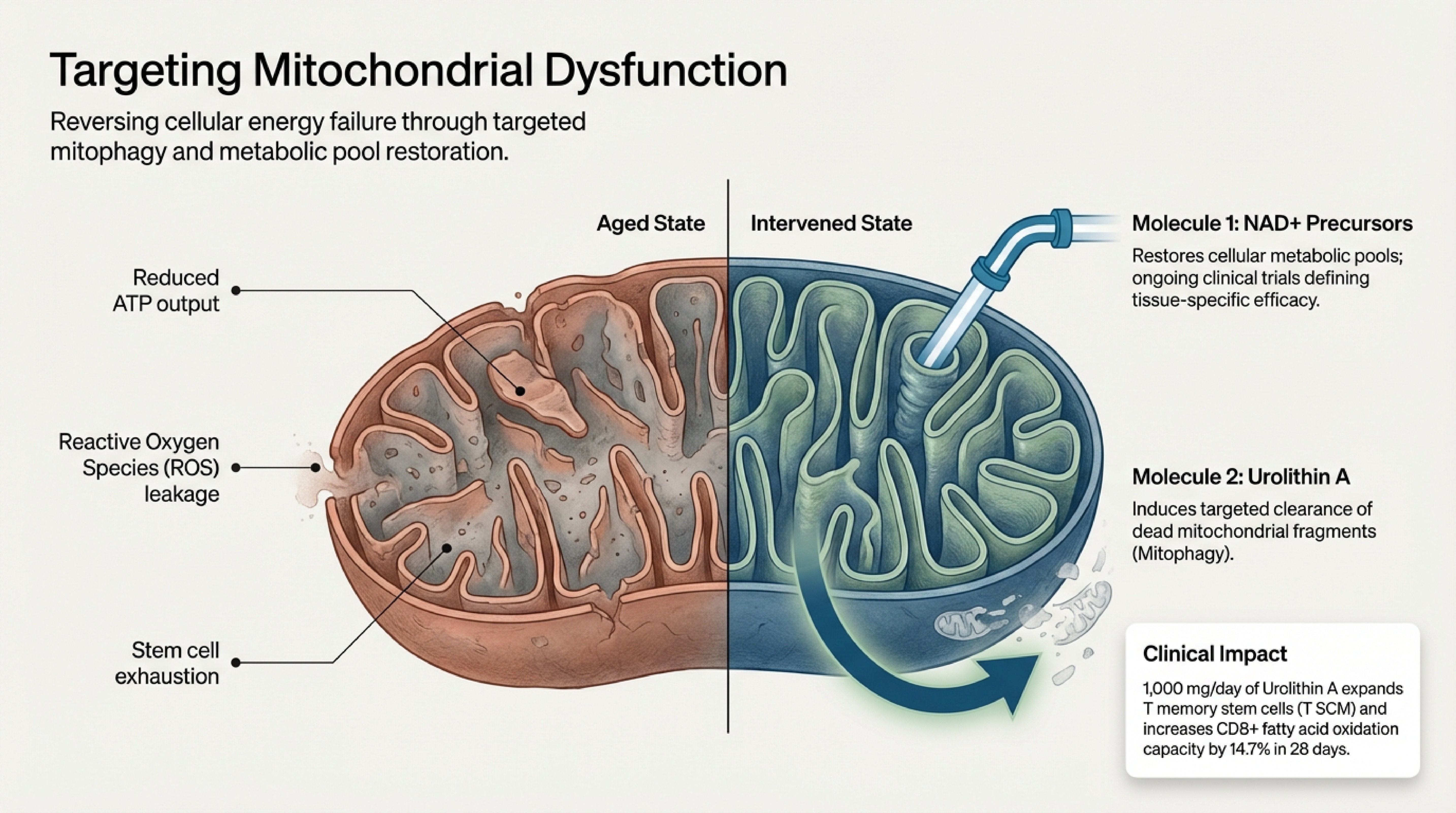
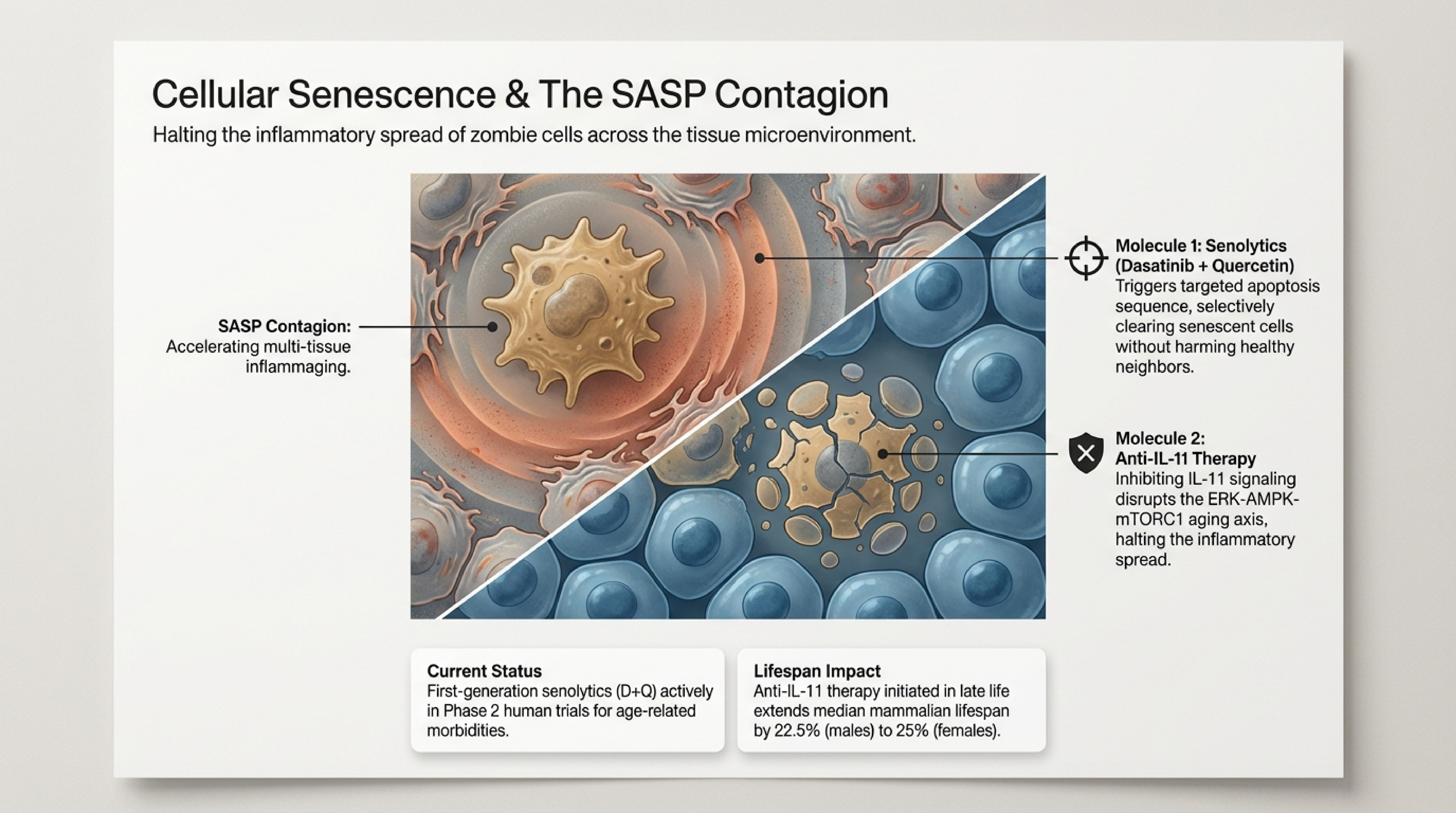
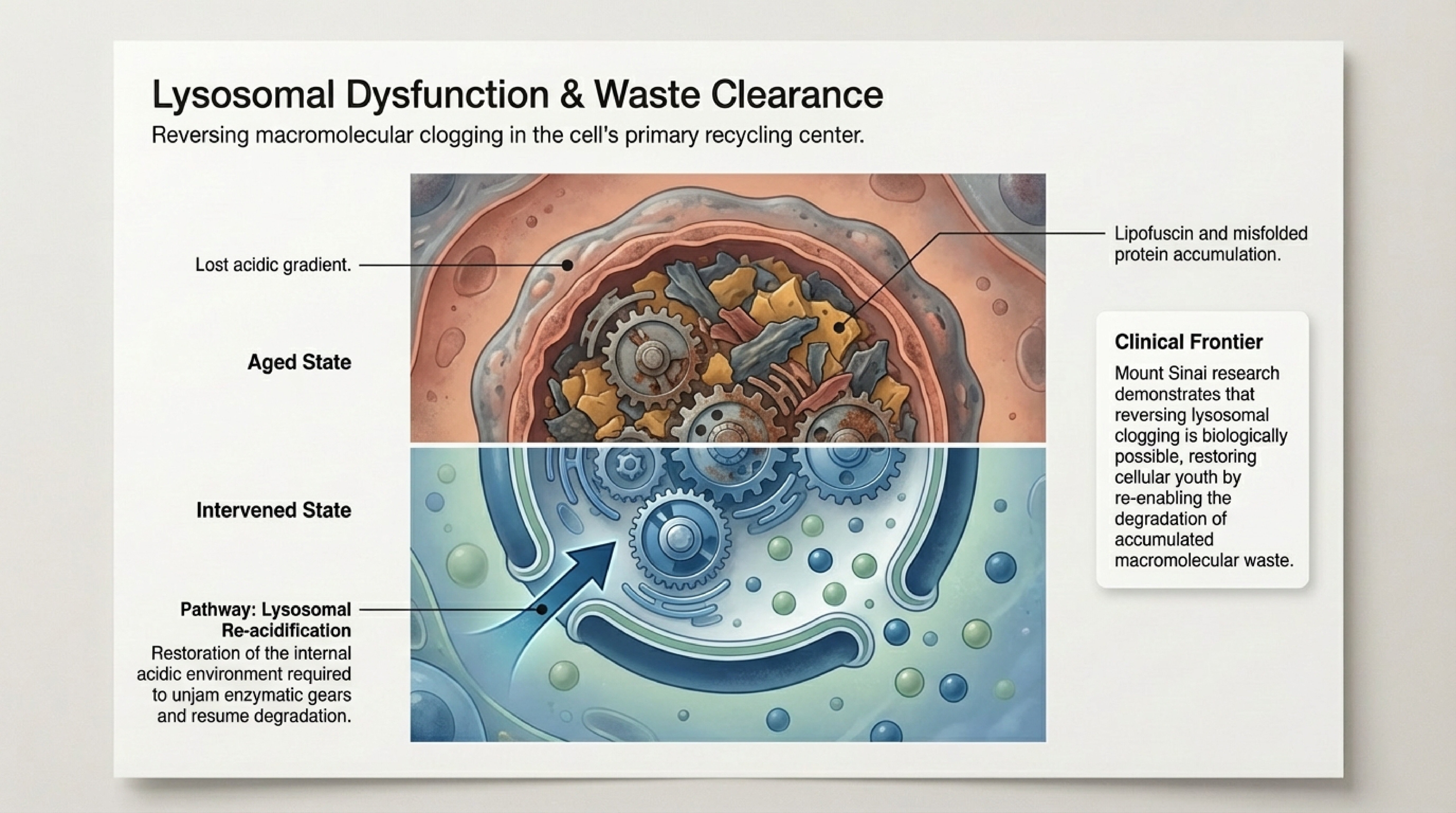
Think of your cells like a house. The mitochondria are the electrical system. Senescent cells are the rooms full of junk you never cleaned out, and they're leaking toxic fumes into the rest of the house. Lysosomes are the garbage disposal. When all three systems start failing at once, the whole structure deteriorates. That is aging at the cellular level.
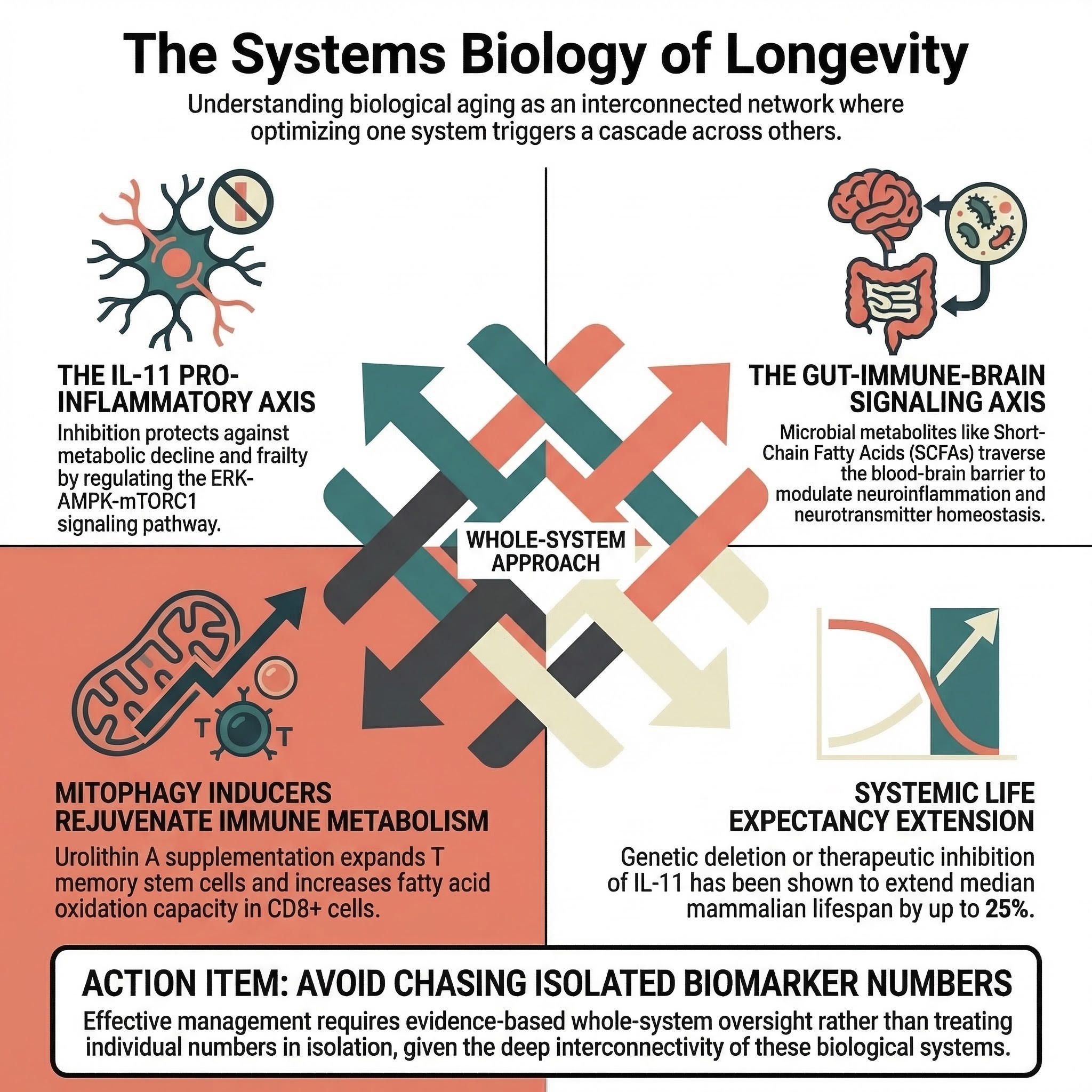
Here's where it gets interesting. A landmark 2024 study in Nature showed that blocking a protein called IL-11 extended mouse lifespan by roughly 25 percent while improving metabolism, muscle function, and frailty markers. That alone would be noteworthy. But Alphabet's Calico Life Sciences was impressed enough to license an anti-IL-11 antibody in 2025 for up to $596 million. That antibody has already cleared Phase I trials and has an IND with the FDA. This is not a mouse story anymore. It's a pipeline.
Senolytics, the drugs that clear out those damaged zombie cells, are now in Phase 2 human trials for conditions ranging from bone metabolism in postmenopausal women to cognitive decline in Alzheimer's risk populations. A pilot study published in eBioMedicine showed that dasatinib and quercetin could be safely administered to older adults with mild cognitive impairment. We're still early, but the trajectory is clear.
NAD+ precursors and urolithin A are also generating real human data. A 2025 Nature review confirmed that NAD+ supplementation safely raises NAD+ levels in humans, though the clinical benefits remain modest compared to what we saw in animal models. A randomized trial in Nature Aging showed urolithin A improved mitochondrial function and immune cell activation in middle-aged adults. These are not miracle cures. But they're measurable interventions with peer-reviewed evidence behind them, and that matters.
Mount Sinai researchers published a striking finding: lysosomes in aged stem cells become hyperacidic and damaged, and correcting that dysfunction restored youthful function to those cells. The body's recycling system can be rebooted. That is the kind of discovery that opens doors nobody knew existed.
AI and Wearables: Useful, With a Caveat
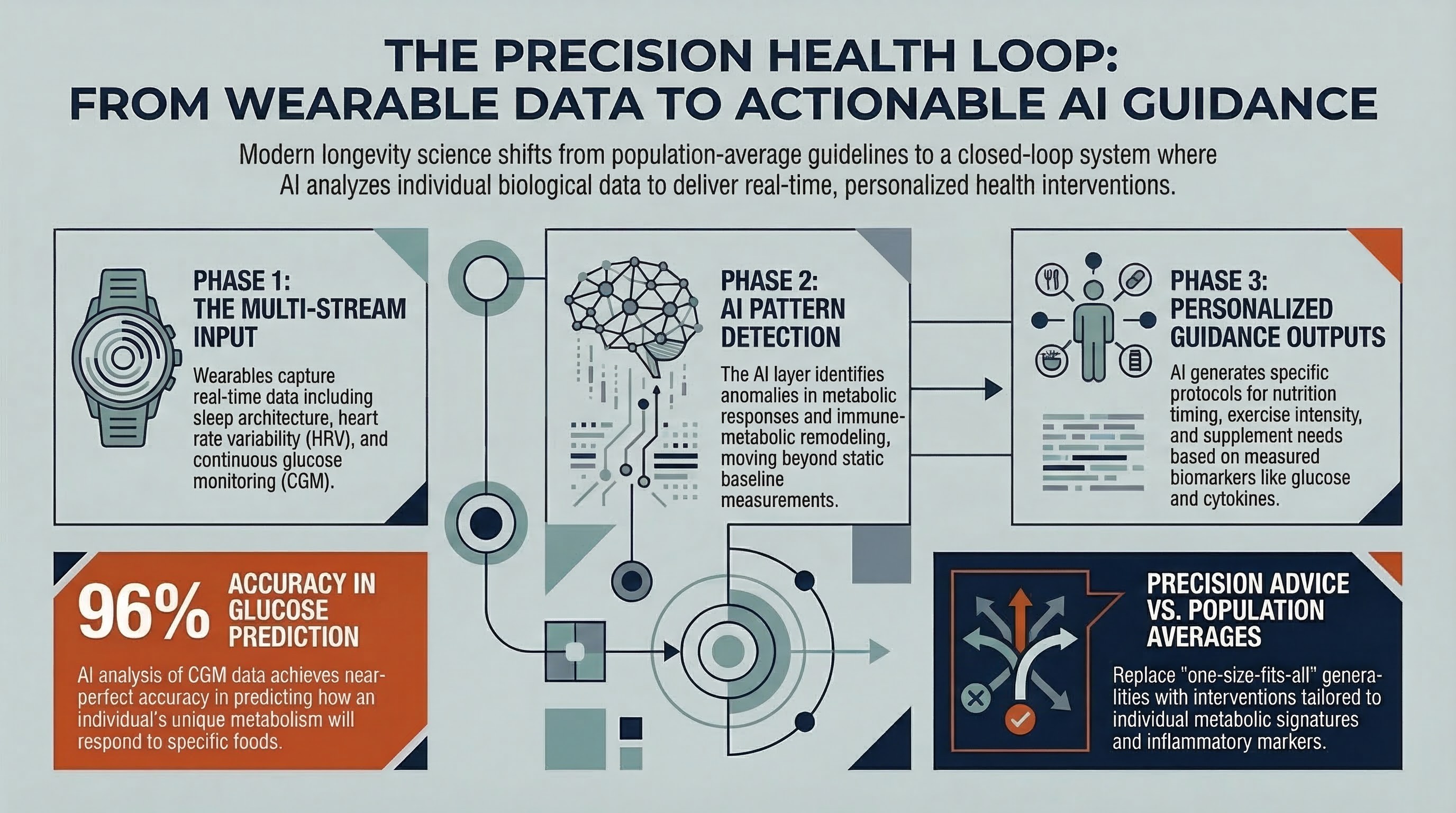
I'll be honest about where I stand on this. The combination of wearable devices and artificial intelligence is genuinely useful, and it's also genuinely overhyped. Both things are true at the same time.
On the useful side: continuous glucose monitors paired with AI algorithms can now identify specific foods that spike your blood sugar and generate dietary recommendations with surprising accuracy. A 2025 study in Frontiers in Endocrinology showed deep neural networks predicting postprandial glucose levels with over 96 percent accuracy. That's clinically meaningful. Sleep tracking, heart rate variability monitoring, and activity data are all generating the kind of personal health information that we never had access to before.
The caveat is this. I see patients walk into my office with data from three different wearables and they're more anxious than when they started. Data without interpretation is just noise. The technology that collects the information is advancing faster than the clinical evidence telling us what to do with it. You still need someone who understands the biology to help you make sense of the numbers. AI can assist with that, but it cannot replace it, at least not yet.
Your Gut Is Talking to Your Brain. We Can Prove It Now.
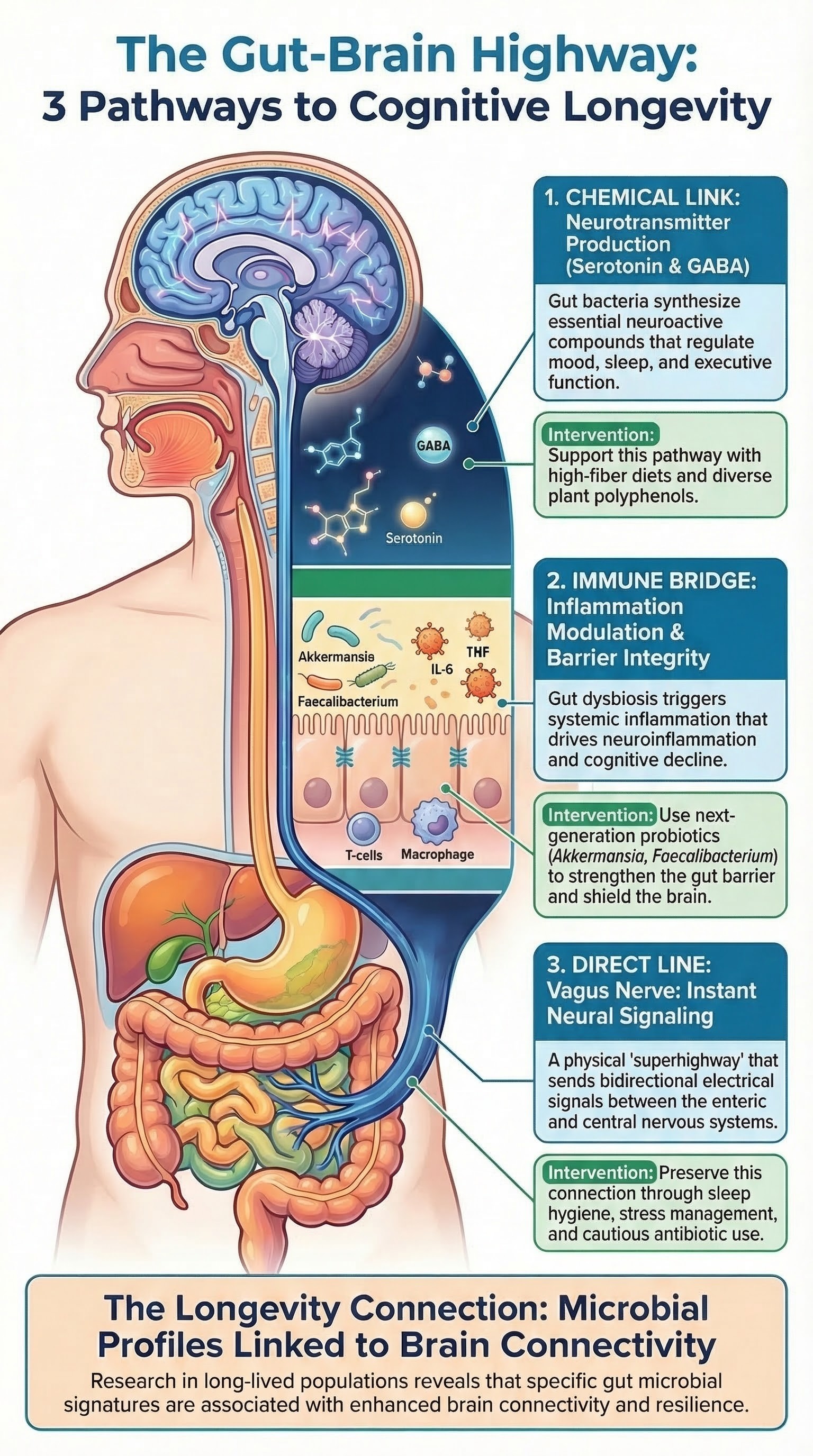
The gut-brain connection has moved from fringe hypothesis to established science, and the evidence base deepened considerably in the past year. We now know three specific pathways by which gut bacteria communicate with brain function: they produce neurotransmitters like serotonin and GABA directly, they modulate inflammation through immune signaling, and they send signals along the vagus nerve.
A 2024 study in Gut Microbes found that long-lived populations, centenarians specifically, had distinct microbial profiles linked to enhanced brain connectivity and cognitive preservation. A 2025 review in Frontiers in Immunology connected microbiome disruptions to conditions from depression to Parkinson's disease.
Now, the practical question is what you do with this information. Next-generation probiotics targeting specific strains like Akkermansia muciniphila are generating research interest, but I want to be careful here. A 2025 review noted that human clinical data for most of these targeted strains is still limited, and regulatory approval is rare. The science is promising. The products on the market are mostly ahead of the evidence. What we can say with confidence is that diet, sleep quality, and antibiotic stewardship all shape your microbiome in measurable ways, and those are things you can act on today.
Hormones and Recovery: The Overlooked Foundations
Two areas that deserve more attention than they typically receive in 2026 longevity trends discussions are hormone optimization and recovery.
Hormones are not just a menopause or andropause concern. The Endocrine Society published a comprehensive scientific statement confirming that insulin sensitivity, cortisol patterns, thyroid function, and growth hormone all shift with age across both sexes, affecting energy, metabolism, sleep, and tissue repair throughout adult life. Precision hormone management, when done carefully and with an understanding that these systems are deeply interconnected, is becoming an important part of comprehensive health optimization. The key word is "carefully." Chasing individual numbers without understanding the whole system does more harm than good.
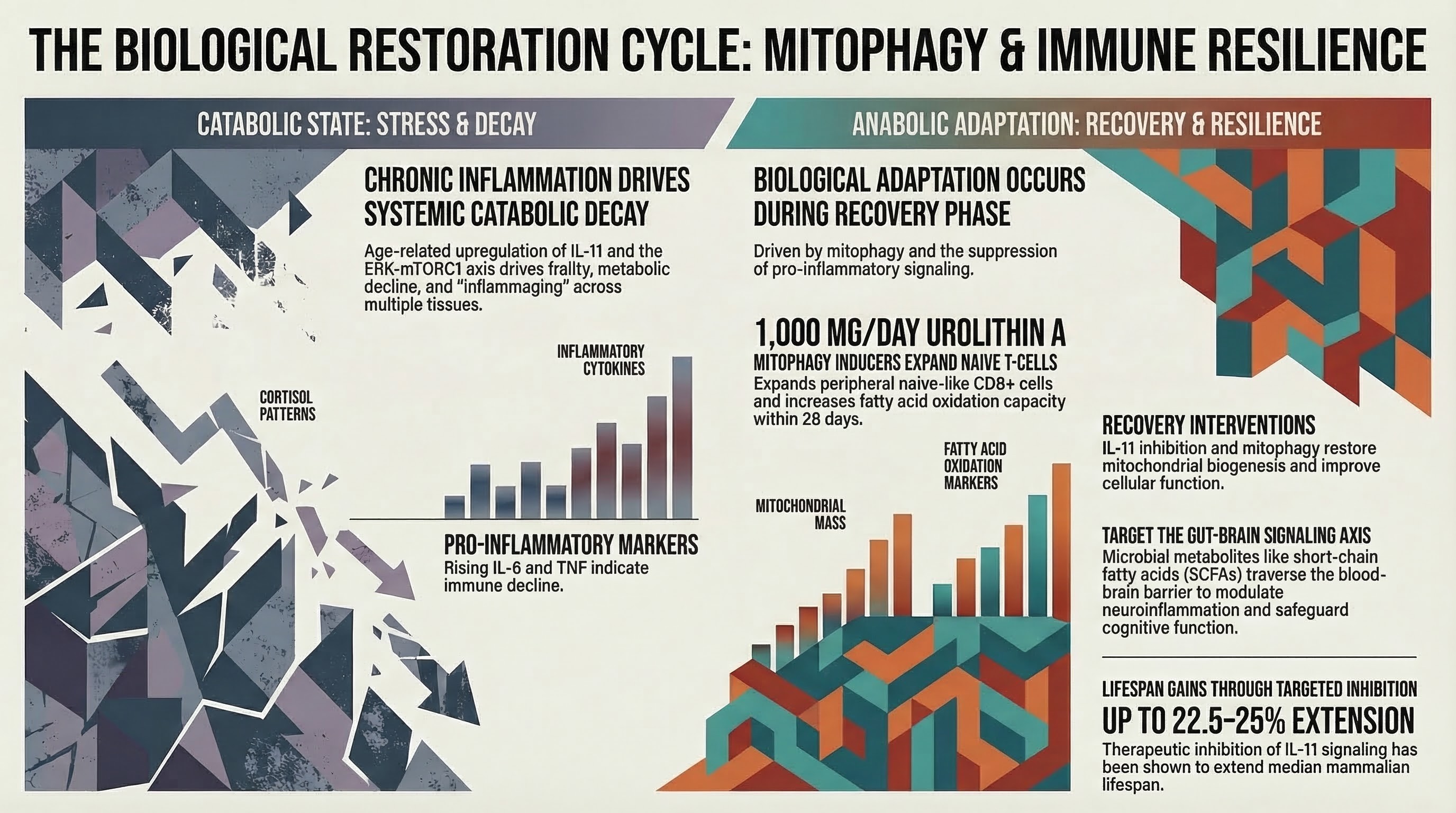
Recovery is the other one. We know now that overtraining is a real syndrome with measurable impacts on immune function, hormone balance, and multiple organ systems. A 2025 study found that middle-aged adults sleeping fewer than six hours per night showed significantly greater declines in memory, executive function, and attention over three years. Chronic sleep deprivation impairs your brain's waste clearance system and accelerates cellular aging through telomere erosion.
Cold exposure and breathwork are gaining legitimate evidence bases. A meta-analysis found that cold water immersion enhances parasympathetic nervous activity and autonomic regulation. Breathwork showed significant effects on anxiety and depression in a separate meta-analysis of randomized controlled trials. These are not luxuries. They are interventions with specific biological benefits.
What I'm Telling My Patients
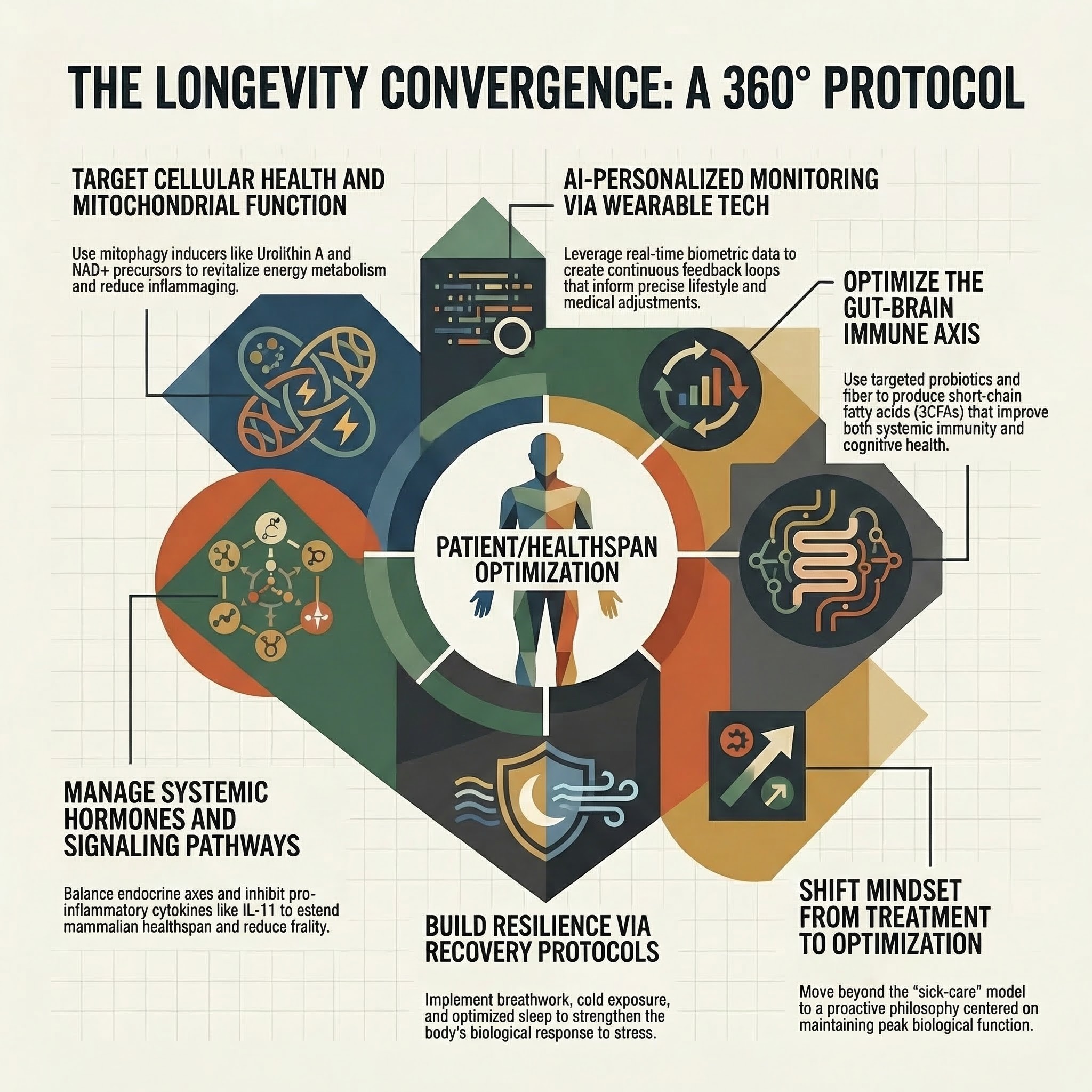
None of these 2026 longevity trends exist in isolation. The patient who tracks sleep with a wearable is also asking about senolytics, thinking about their microbiome, and trying to manage stress through breathwork. Longevity optimization in practice means integrating multiple approaches, and the challenge is knowing which ones are worth your time and money for your specific situation.
What I tell people sitting across from me is simple. Get your baseline data: comprehensive blood work, hormone panels, metabolic markers. Understand where you actually are, not where you assume you are. Prioritize sleep and recovery because no supplement compensates for six hours a night. Be curious about the cellular interventions moving through clinical trials, because some of them will change medicine within this decade. And find a physician who reads the literature and will have an honest conversation with you about what works, what's promising, and what's still just marketing.
The science of aging well is moving faster than at any point in my career. I find that genuinely fascinating, and I think the next few years are going to surprise all of us.