 PRADEEP ALBERT
Advancing the Frontier: The Accelerating Pace of Progress Against Cancer
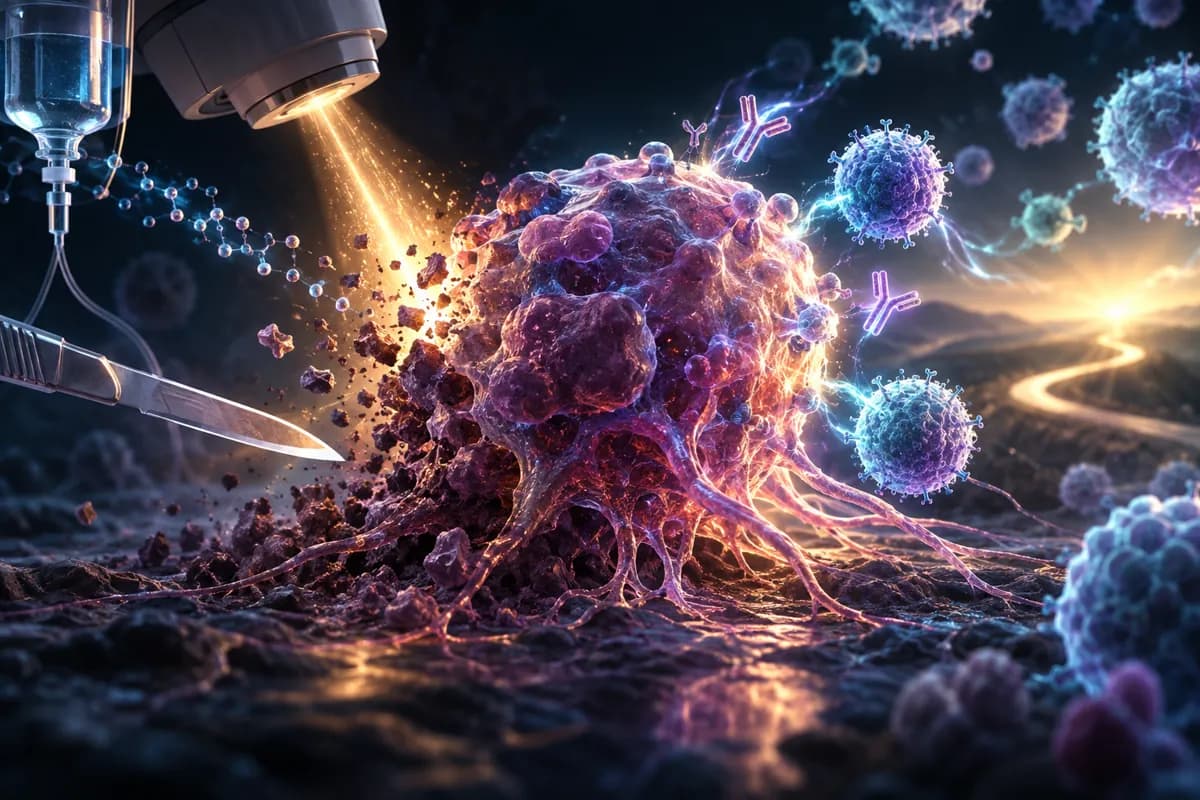
The Limits of Conventional Cancer Therapies
For decades, the mainstay treatments for cancer have been chemotherapy, radiation, and surgery. While these modalities saw early successes against some blood cancers like lymphoma and leukemia, their efficacy against solid tumor cancers has remained limited over the past 40 years. Chemotherapy drugs target rapidly dividing cells, helping explain side effects like hair loss, as they disrupt tissues with high cell turnover. But cancer cells tend to be resistant, having overcome many hurdles as “evolutionary warriors.” Radiation is even more restricted as a local therapy. Surgery can successfully remove tumors, but often the “metastatic die may be cast” before such interventions.
The Promise of Targeted Therapies
In the 1990s, breakthroughs like imatinib against the BCR-ABL mutation in chronic myeloid leukemia demonstrated the first success of “rationally designed” drugs hitting specific genetic drivers of cancer. Others like the HER2 antibody trastuzumab in a subset of breast cancers followed. But more recently, targeting BRAF mutations with selective kinase inhibitors have led to rapid, deep responses even in historically refractory diseases like melanoma.
Understanding How Cancer Develops
Cancer requires a handful of key “driver gene” mutations to disable tumor suppressors and activate oncogenes, allowing cells to evade anti-cancer defenses. Additional “passenger mutations” further enable adaptation. Cancer must also escape immune surveillance, which is now being targeted with new immunotherapies. Epigenetic changes play a big role as well in allowing cancer to hijack cellular machinery for its own ends.
Key Genetic Drivers and Discoveries
- p53 – The most commonly mutated gene in cancer; critical for sensing DNA damage and initiating programmed cell death
- RAS – Oncogenes like KRAS frequently activated in cancer cells, driving uncontrolled growth signaling
- BRAF – Kinase and oncogene with activating mutations in melanoma, thyroid, and other cancers
- PD1/PDL1 – Immune checkpoint interaction that many cancers rely on to evade immune destruction
New Frontiers in Fighting Cancer
Beating cancer demands learning how to operate at the frontier of known and unknown science. Doctors need better training in problem-solving and critical thinking to keep pace with rapid advances. Exciting frontiers include:
Immunotherapy Breakthroughs
Checkpoint inhibitor antibodies like those targeting PD1 and CTLA4 can unleash the immune system against cancer. But toxicity limits applications. Understanding mechanisms of efficacy and resistance is key.
Liquid Biopsies and Circulating DNA
Analyzing tumor DNA and cells circulating in the bloodstream can allow non-invasive monitoring of cancer genetics and early detection of molecular recurrence.
Cancer Metabolism
Differences in metabolic pathways between tumors and normal tissues may allow therapeutic targeting, but clinically effective strategies remain elusive.
Epigenetic Manipulation
Disrupting epigenetic mechanisms underlying tumors’ cellular plasticity and drug resistance could reveal new anticancer strategies.
Comparative Biology
Analyzing comprehensive differences between tumor types will uncover more treatment vulnerabilities. Understanding exceptional responders is also key.
Hope for Accelerating Progress
Despite cancer’s daunting complexity, targeted therapies and immunotherapies have begun delivering profound clinical breakthroughs against formerly untreatable diseases. However sustainable cures demand treatment combinations to prevent drug resistance. With sound scientific investments and medical training reforms, the 21st century offers unprecedented opportunities to unravel cancer’s evolutionary defenses, cure more patients, and save innumerable lives lost prematurely
\\—