 PRADEEP ALBERT
Harnessing the Power of Ketosis and Oxidative Therapies for Cancer Treatment
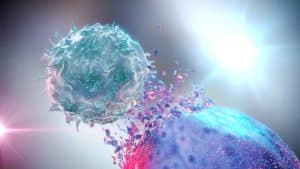
The Promise of Metabolic Therapies
Cancer remains one of the most complex and deadly diseases worldwide, but the tide may be turning with emerging metabolic therapies that starve tumor cells of fuel sources and induce internal oxidative stress. Therapeutic ketosis shows particular promise through several key mechanisms:
- Lowering glucose availability – Many cancers thrive on glucose and cannot effectively use ketones.
- Suppressing insulin signaling – Insulin promotes tumor growth, so lowering insulin paired with low glucose availability compromises cancer cell metabolism.
- Increasing oxidative stress – Ketosis and related therapies like hyperbaric oxygen make cancer cells vulnerable by impairing their antioxidant defenses.
A Two-Pronged Approach: Press and Pulse
Current research points to a synergistic press and pulse therapeutic strategy, where ketosis and fasting form the steady press that weakens cancer cells by restricting fuel availability. Oxidative pulse therapies like radiation, high-dose IV vitamin C, and hyperbaric oxygen then punctuate this steady press with spikes of oxidative damage and stress.
The press therapies induce a metabolic state completely unconducive to tumor growth, while the periodic pulse therapies tip vulnerable cancer cells over the brink into death and apoptosis. Used in concert, press and pulse deliver a one-two knockout blow while minimizing side effects.
The Press: Ketosis and Fasting
Ketogenic diets that restrict carbohydrates and fasting elicit a state of nutritional ketosis and therapeutic ketosis characterized by elevated blood ketone levels. Therapeutic ketosis potently suppresses two key tumor growth promoters – glucose availability and insulin signaling. This dual suppression starves tumors of the main metabolic substrates they need to thrive.
Additionally, most cancer cells cannot effectively utilize ketones for fuel. So in the press phase, cancer cells experience the worst of both worlds – severe restriction of preferred fuel sources without an able alternative energy supply.
The Pulse: Oxidative Therapies
In the pulse phase, oxidative therapies leverage cellular production of reactive oxygen species (ROS) to preferentially damage cancer cells. ROS form as natural byproducts of oxygen metabolism but can react destructively with other cellular components at high levels.
Tumor cells tend to harbor higher baseline ROS levels compared to normal cells due to innate metabolic abnormalities. Oxidative pulse therapies then tip ROS levels over the breaking point uniquely in cancer cells.
Radiation relies heavily on ROS generation for its tumor-killing effects. Hyperbaric oxygen treatments directly increase tissue oxygen levels and ROS production. High-dose IV vitamin C turns from antioxidant to pro-oxidant at cancer-relevant doses, driving ROS elevation through redox reactions.
Why Press and Pulse Work Together
The press phase is key to prime tumors and make them vulnerable to oxidative pulse therapies. Without prior glucose/insulin suppression from ketosis and fasting, oxidative pulse treatments would likely damage normal tissues as much or more than cancerous tissues.
However, the press phase changes the game by eliciting metabolic adaptations in tumor cells that leave them singularly sensitive to oxidative therapies. Normal cells still thrive on fatty acids and ketones, while cancer cells spiral from bad to worse.
Case Studies Highlight Potential
Growing case report evidence shows clinical potential for press and pulse cancer therapies even in end-stage or treatment-resistant cancers. One recent case used a regimen of fasting, ketogenic diet, and IV vitamin C to virtually eradicate a treatment-resistant metastatic thymoma in a late-stage patient.
The combination press and pulse approach leverages synergy between therapies while reducing side effects. Each component works together to cut off tumor fuel supplies, weaken cellular defenses, and maximize oxidative stress.
Future Horizons
As press and pulse therapies for cancer expand, potential next frontiers include pharmaceutical agents targeted directly at cancer cell metabolism or antioxidant systems. Weakened tumors may become far more susceptible to these targeted agents within a coordinated press and pulse protocol.
As cancers reveal their metabolic cracks under press phase duress, windows may open for enhanced selectivity and precision from added targeted therapies. Powerful glutamine inhibitors like DON already make tumors more press and pulse sensitive in mice models with ketogenic diets.
With accumulating success stories and improved understanding of cancer cell metabolism, multifaceted press and pulse strategies continue growing in promise for a notoriously complex and resilient disease.