 PRADEEP ALBERT
Unlocking the Secrets of Genetics: A Deep Dive into DNA, Genes, and Heredity
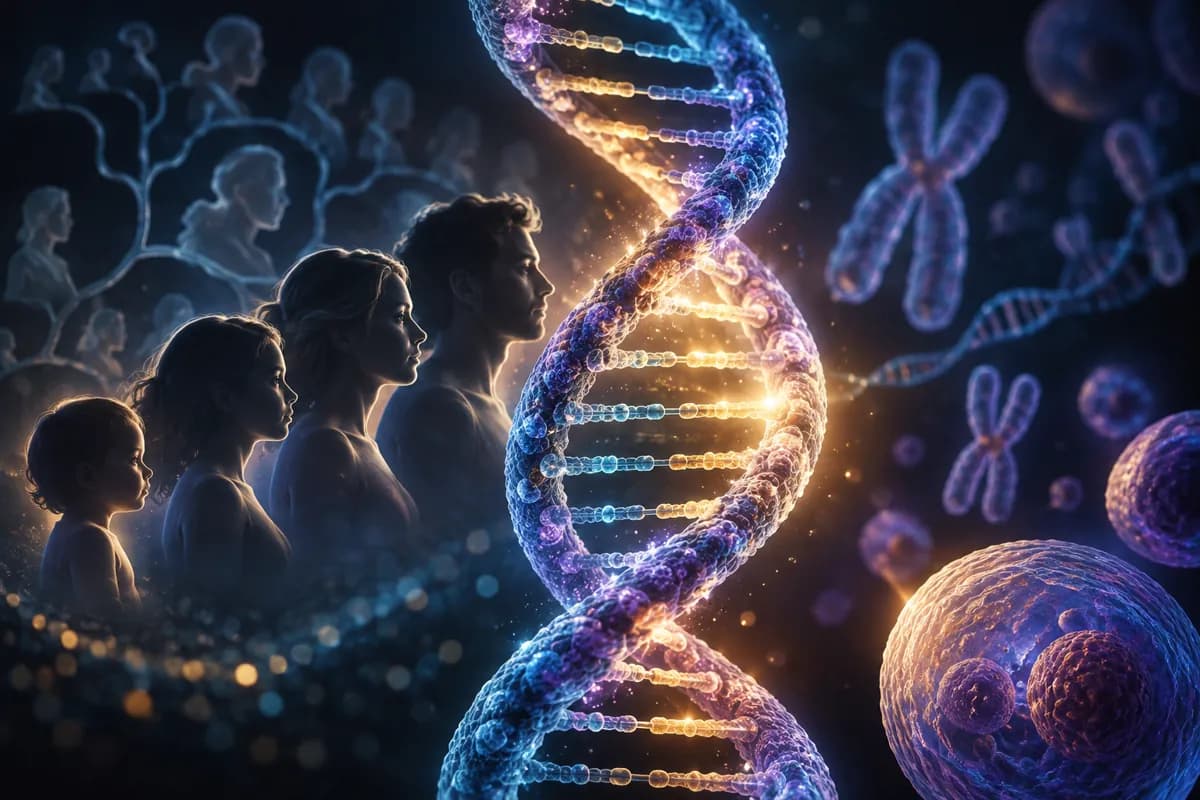
Genetics plays a crucial role in shaping who we are, from our physical appearance to our susceptibility to certain diseases. By understanding the fundamentals of genetics, we can gain valuable insights into how our bodies work and make informed decisions about our health. In this article, we will explore the world of genetics, diving deep into the concepts of DNA, genes, and heredity.
The Building Blocks of Life: DNA and Genes
At the heart of genetics lies DNA, the molecular blueprint that contains the instructions for all living organisms. DNA is composed of four nucleotides: guanine (G), cytosine (C), adenine (A), and thymine (T). These nucleotides pair together in a specific way, with G always pairing with C and A always pairing with T, forming the iconic double helix structure of DNA.
Genes are specific segments of DNA that encode instructions for making proteins, the workhorses of the cell. Proteins perform a wide range of functions, from building and repairing tissues to regulating chemical reactions in the body. Surprisingly, humans have only about 20,000 protein-coding genes, fewer than some simpler organisms like mice and rice.
From DNA to Protein: The Process of Gene Expression
For genes to exert their effects, they must be expressed. Gene expression is a two-step process that involves transcription and translation. During transcription, the information in a gene is copied into a molecule called RNA. This RNA molecule then undergoes translation, where its genetic code is read and used to synthesize a specific protein.
A single gene can give rise to multiple proteins through a process called alternative splicing. This allows for greater diversity in the proteins produced by a limited number of genes. Additionally, proteins can be modified after translation, further expanding their functional possibilities.
Genetic Variation: The Spice of Life
While all humans share the same basic set of genes, there are small variations in the DNA sequence that make each of us unique. These variations, known as single nucleotide polymorphisms (SNPs), occur in less than 0.5% of the genome. Despite their rarity, SNPs account for the majority of genetically-influenced differences between individuals, including traits like height, hair color, and disease susceptibility.
Genetic variation arises from mutations, which are changes in the DNA sequence. Most mutations are harmless, but some can have significant effects on gene function and, consequently, on an individual’s health. Mutations can be inherited from parents or occur spontaneously during DNA replication.
The Spectrum of Genetic Influence
Not all traits are equally influenced by genetics. Some characteristics, like blood type and eye color, are entirely determined by genes. Others, such as native language and religion, are shaped solely by environmental factors. Most traits, however, result from a complex interplay between genes and the environment.
The degree to which a trait is influenced by genetics is referred to as its heritability. For example, height is estimated to be about 80% heritable, meaning that genetic factors account for approximately 80% of the variation in height among individuals. The remaining 20% is attributed to environmental factors, such as nutrition and exposure to toxins during development.
Studying Heritability: The Power of Twin Studies
Twin studies have been instrumental in unraveling the genetic and environmental influences on various traits and diseases. By comparing identical twins, who share 100% of their DNA, with fraternal twins, who share about 50% of their DNA, researchers can estimate the heritability of a given characteristic.
Identical twins, also known as monozygotic twins, arise from a single fertilized egg that splits into two embryos. Fraternal twins, or dizygotic twins, develop from two separate eggs fertilized by two different sperm cells. Comparing the concordance rates of a trait between these two types of twins provides valuable insights into the role of genetics.
For instance, studies have shown that the concordance rate for schizophrenia is about 33% in identical twins, compared to just 7% in fraternal twins. This finding suggests that genetics plays a significant role in the development of schizophrenia, with an estimated heritability of around 80%.
Genetic Testing: Peering into Your Genetic Blueprint
Advances in genetic technology have made it possible for individuals to explore their genetic makeup through various types of tests. Genetic testing can be performed for several reasons, including:
- Diagnosing genetic disorders
- Identifying carriers of genetic mutations
- Assessing risk for certain diseases
- Guiding treatment decisions based on genetic factors
- Satisfying personal curiosity about ancestry and traits
Direct-to-consumer (DTC) genetic tests have gained popularity in recent years, offering individuals the opportunity to learn about their genetic predispositions from the comfort of their own homes. However, it is essential to approach these tests with caution and to understand their limitations.
Interpreting Genetic Test Results
Genetic test results can be complex and challenging to interpret without the guidance of a qualified healthcare professional. Many genetic variations are of unknown significance, meaning that their impact on health is not yet fully understood. Additionally, having a genetic predisposition for a particular condition does not guarantee that an individual will develop that condition.
It is crucial to remember that genetics is just one piece of the health puzzle. Environmental factors, lifestyle choices, and other non-genetic influences also play significant roles in shaping an individual’s overall health and well-being.
The Future of Genetics: Personalized Medicine and Beyond
As our understanding of genetics continues to grow, so too does the potential for personalized medicine. By tailoring medical treatments to an individual’s unique genetic profile, healthcare providers can optimize outcomes and minimize side effects. This approach, known as precision medicine, holds great promise for improving patient care and advancing the field of medicine as a whole.
In addition to its applications in healthcare, genetics is also making waves in other areas, such as forensic science, agriculture, and conservation biology. As genetic technologies become more sophisticated and accessible, we can expect to see even more innovative applications emerge in the years to come.
Conclusion
Genetics is a fascinating and rapidly evolving field that holds the key to understanding many aspects of our health and identity. By grasping the fundamental concepts of DNA, genes, and heredity, we can make more informed decisions about our well-being and contribute to the ongoing dialogue about the ethical, legal, and social implications of genetic knowledge.
As we continue to unlock the secrets of the genome, it is essential that we approach this powerful information with both enthusiasm and responsibility. By working together to advance our understanding of genetics and its potential applications, we can help shape a future in which the benefits of this remarkable science are accessible to all.