 PRADEEP ALBERT
Holistic Wellness: Integrating Nutrition, Detoxification, and Emotional Healing for Optimal Health
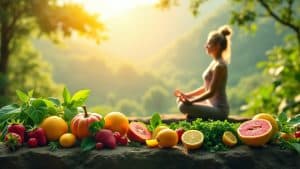
Introduction to Holistic Wellness
In the ever-evolving world of health and wellness, a holistic approach has gained significant traction. This comprehensive method considers not just physical health, but also emotional and spiritual well-being. By addressing the whole person, rather than isolated symptoms, holistic wellness aims to achieve optimal health and vitality.
This article delves into various aspects of holistic wellness, drawing from insights shared by leading experts in functional medicine and holistic nutrition. We’ll explore the importance of nutrition, detoxification, emotional healing, and how these elements intertwine to create a foundation for lasting health.
The Power of Plant-Based Nutrition
Green Juices: Nature’s Liquid IV
One of the cornerstones of holistic nutrition is the consumption of green juices. These nutrient-dense beverages are often referred to as “nature’s liquid IV” due to their ability to rapidly deliver vitamins, minerals, and hydration directly to the cells.
Green juices typically consist of a combination of vegetables such as celery, cucumber, and leafy greens, often enhanced with lemon and ginger. The beauty of these juices lies in their simplicity and potency. By juicing vegetables, we remove the fiber, allowing for quick absorption of nutrients without taxing the digestive system.
Some key benefits of green juices include:
- Rapid hydration at the cellular level
- Delivery of concentrated nutrients
- Support for detoxification processes
- Alkalizing effect on the body
- Potential to lower viral loads in the intestines
It’s important to note that while green juices are incredibly beneficial, they should be consumed without added fruit to avoid spiking blood sugar levels. The focus should be on vegetable-based juices for maximum health benefits.
The Importance of Hydration
Intracellular dehydration is a widespread issue that often goes unnoticed. Many people are chronically dehydrated at the cellular level, even if they’re drinking adequate amounts of water. This is where green juices and other hydrating foods come into play.
The concept of “gel water” or structured water has gained attention in recent years. This type of water, found in plants and some foods, is believed to be more hydrating than plain water alone. By consuming foods rich in gel water, we can potentially improve our hydration status more effectively.
In addition to green juices, other ways to enhance hydration include:
- Adding a pinch of high-quality sea salt to water
- Consuming chia seeds soaked in water
- Using electrolyte powders (with caution regarding additives)
- Eating water-rich fruits and vegetables
Detoxification: Supporting the Body’s Natural Processes
Understanding Detoxification
Detoxification is a term that’s often misunderstood or misused in the wellness industry. In reality, detoxification refers to the body’s natural processes of eliminating toxins and waste products. While the body is equipped with its own detoxification systems, primarily the liver and kidneys, we can support these processes through our diet and lifestyle choices.
The Role of the Gut in Detoxification
The gut plays a crucial role in the body’s detoxification processes. A healthy gut microbiome supports proper digestion, nutrient absorption, and the elimination of waste and toxins. To support gut health and enhance detoxification, consider the following strategies:
- Consuming probiotics and probiotic-rich foods
- Eating a diverse range of plant-based foods
- Incorporating bitter greens into your diet
- Ensuring regular bowel movements
Probiotics and Gut Health
Probiotics are beneficial bacteria that support gut health. While there is some debate about the efficacy of probiotic supplements, many health experts recommend incorporating them into a wellness routine. Probiotic supplements containing 50-100 billion CFUs (colony-forming units) per day can help build beneficial bacteria in the gut.
In addition to supplements, probiotic-rich foods can be incredibly beneficial. These include:
- Fermented coconut drinks
- Coconut yogurt
- Kimchi
- Sauerkraut
- Other fermented vegetables
The Importance of Bitter Greens
Bitter greens play a special role in supporting detoxification and digestion. These foods stimulate the production of bile, which is crucial for fat digestion and the elimination of toxins. Some beneficial bitter greens include:
- Dandelion greens
- Arugula
- Radicchio
- Kale
Incorporating these greens into your diet can support liver function and enhance overall detoxification processes.
Supporting Digestive Health
Proper digestion is crucial for overall health and effective detoxification. Some strategies to support digestive health include:
- Consuming digestive bitters before meals
- Using milk thistle to support liver function
- Ensuring adequate fiber intake (aim for 30 grams per day)
- Staying hydrated
- Eating mindfully and chewing food thoroughly
The Healing Power of Soups
Soups, particularly those that are pureed, offer a unique way to nourish the body while giving the digestive system a break. A well-designed soup cleanse can provide numerous benefits:
- Easy digestion and absorption of nutrients
- Hydration at the cellular level
- Delivery of a wide variety of vegetables and their associated nutrients
- Support for detoxification processes
- Balanced nutrition when properly formulated
A typical soup cleanse might include a variety of vegetable-based soups, along with small amounts of protein and healthy fats. This approach allows for a gentle reset of the digestive system while still providing essential nutrients.
The Mind-Body Connection: Addressing Emotional Health
The Impact of Trauma on Physical Health
One of the most overlooked aspects of health is the profound impact that emotional trauma can have on physical well-being. Unresolved trauma can manifest as chronic stress, keeping the body in a constant state of fight-or-flight. This prolonged stress response can lead to a host of health issues, including:
- Chronic inflammation
- Autoimmune conditions
- Digestive disorders
- Sleep disturbances
- Hormonal imbalances
Addressing emotional trauma is not just about mental health—it’s a crucial step in achieving overall wellness and can even play a role in the healing process for various physical conditions.
Techniques for Emotional Healing
There are numerous approaches to addressing emotional trauma and promoting emotional healing. Some effective techniques include:
- Traditional psychotherapy
- Eye Movement Desensitization and Reprocessing (EMDR)
- Somatic experiencing
- Mindfulness and meditation practices
- Journaling
- Energy healing modalities
It’s important to work with qualified professionals when addressing deep-seated trauma, as the process can be intense and may require expert guidance.
The Role of Plant Medicine in Emotional Healing
In recent years, there has been growing interest in the potential of certain plant medicines to facilitate emotional healing and personal growth. One such substance that has gained attention is psilocybin, the active compound in certain species of mushrooms.
While research is still ongoing, some studies and anecdotal reports suggest that psilocybin, when used in controlled settings with proper guidance, may help individuals:
- Process deep-seated emotional trauma
- Gain new perspectives on life challenges
- Alleviate symptoms of depression and anxiety
- Enhance overall well-being and life satisfaction
It’s crucial to note that the use of psilocybin and other psychedelic substances is currently illegal in many jurisdictions and should only be considered under proper medical supervision where it is legal and regulated.
The Importance of Self-Love in Healing
At the core of holistic wellness is the concept of self-love. This isn’t about narcissism or selfishness, but rather a deep sense of self-worth and self-respect. Cultivating self-love can have profound effects on both mental and physical health:
- Reduced stress and anxiety
- Improved immune function
- Better adherence to healthy lifestyle choices
- Enhanced resilience in the face of challenges
- Improved relationships with others
Practices that can help foster self-love include:
- Daily affirmations
- Gratitude journaling
- Self-care rituals
- Setting healthy boundaries
- Practicing self-compassion
Integrating Holistic Practices into Daily Life
Creating a Personalized Wellness Routine
Incorporating holistic wellness practices into daily life doesn’t have to be overwhelming. Start by choosing one or two practices that resonate with you and gradually build from there. Some ideas to consider:
- Start your day with a green juice or smoothie
- Practice meditation or mindfulness for 10 minutes daily
- Incorporate bitter greens into one meal per day
- Take a probiotic supplement
- Experiment with new plant-based recipes
- Set aside time for journaling or reflection
The Importance of Consistency
While it’s tempting to make drastic changes all at once, sustainable wellness is built on consistent, small actions over time. Focus on creating habits that you can maintain long-term, rather than pursuing short-term “quick fixes.”
Listening to Your Body
One of the most important aspects of holistic wellness is learning to listen to your body. Pay attention to how different foods, activities, and practices make you feel. This self-awareness can guide you towards the choices that truly support your individual health and well-being.
The Role of Professional Guidance
While there’s much we can do on our own to support our health, working with qualified health professionals can provide invaluable guidance and support. Consider consulting with:
- A functional medicine practitioner
- A holistic nutritionist
- A licensed therapist or counselor
- An integrative medicine doctor
These professionals can help you develop a personalized wellness plan that addresses your unique needs and health goals.
Embracing a Holistic Approach to Aging
As we age, maintaining optimal health becomes increasingly important. A holistic approach to aging focuses not just on longevity, but on quality of life. This includes:
- Nourishing the body with nutrient-dense foods
- Staying physically active
- Engaging in mental stimulation
- Maintaining social connections
- Practicing stress reduction techniques
- Addressing hormonal changes through natural means when possible
By embracing a holistic approach to aging, we can potentially not only extend our lifespan but also enhance our “healthspan”—the number of years we live in good health.
The Future of Holistic Wellness
As our understanding of the interconnectedness of body, mind, and spirit continues to grow, the field of holistic wellness is likely to evolve. Emerging areas of research and interest include:
- The role of the microbiome in overall health
- Epigenetics and how lifestyle choices influence gene expression
- The potential of psychedelic-assisted therapies in mental health treatment
- Advanced nutritional therapies tailored to individual genetic profiles
- The integration of technology in tracking and optimizing health markers
As these fields develop, we may see even more personalized and effective approaches to holistic wellness emerge.
Embracing the Journey to Optimal Health
The path to optimal health is not a destination, but a lifelong journey. By embracing a holistic approach that addresses nutrition, detoxification, emotional healing, and self-love, we can create a foundation for lasting wellness. Remember that small, consistent changes can lead to significant improvements over time. As you embark on or continue your wellness journey, stay curious, be open to new information, and above all, listen to your body. Your health is your most valuable asset—invest in it wisely.