 PRADEEP ALBERT
Interpreting Lab Tests and Patient Health Histories to Gain Insight
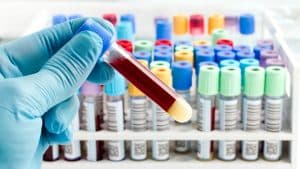
Pausing Supplements Before Labs for Accuracy
When patients are taking various vitamins, minerals, herbs, or other supplements, it can impact lab test results. This often leads to the question of whether or not patients should stop taking certain supplements in the days leading up to lab testing. There is no definitive rule, but generally the recommendation is for patients to continue taking their standard supplements consistently in the week before labs.
The reasoning is that if patients suddenly stop supplements right before testing, it may skew results temporarily and not provide an accurate picture compared to their normal supplementation routine and health baseline. Staying consistent allows tests to assess patients in their typical supported nutritional state.
Exceptions Where Pausing Supplements May Be Advised
- High-dose single supplements that could temporarily spike or saturate a certain nutrient far beyond normal dietary levels.
- Energy supplements, adaptogens, glandulars, or herbs with major stimulatory or hormonal effects.
- Products that could directly interfere with a specific test.
In these cases, it may be prudent to pause these higher-potency single-agent supplements at least 48-72 hours prior to testing. But standard daily multivitamins or balanced supplements are generally fine to continue.
Importance of Family Health History Analysis
A detailed family health history looking back through at least 3 generations can provide tremendous insight for assessing patient risk factors, patterns of disease, and genetic predispositions.
This goes beyond just asking about the cause of death of immediate family members, but looking to identify specific conditions and the ages of onset across the extended family tree. There may be significant clues found from patterns relating to cancer, heart disease, autoimmune conditions, diabetes, neurological issues, and other chronic diseases.
Additional Details to Uncover Concerning Close Relatives:
- What diseases or conditions were they diagnosed with?
- What medications did they take on an ongoing basis?
- What surgical or medical interventions did they undergo?
- What therapeutic diets or lifestyle measures did they follow?
- What potentially toxic exposures did they incur through occupation or environment?
Identifying disease predispositions based on familial tendencies can allow for earlier screening, monitoring, and preventative strategies personalized to the patient.
Piecing Together the Patient Health Puzzle
While standard lab reference ranges provide general guidelines for high and low values, optimal treatment approaches for patients require interpreting labs within a bigger picture story of their signs, symptoms, histories, genetics, and circumstances.
Rather than relying on population reference ranges, the ideal is to track an individual patient’s labs over time under different interventions to identify their unique baselines and tendencies.
Key aspects for forming the full health picture:
- Careful listening to the patient’s full story and timeline of symptoms
- Compiling thorough health, diet, lifestyle, and family histories
- Detailed analysis tying together diverse lab findings
- Tracking trends and changes for the individual patients across multiple tests
This full-scope investigative approach allows for customized interpretations and treatments aligned to the patient’s biology and root causes, rather than simply generalized protocols.
Utility of Oral Glucose Tolerance Testing
While fasting blood glucose and Hemoglobin A1C provide important snapshots, oral glucose tolerance tests (OGTT) offer a dynamic view of glycemic control by tracking glucose and often insulin levels in response to ingesting a standard 75-100 gram glucose drink over a 2-3 period:
- Fasting baseline glucose and insulin levels
- Levels at 1 hour and 2 hours post-glucose drink
- How quickly levels rise and fall
Abnormal glucose tolerance indicates impairments in insulin response dynamics which may predispose individuals to metabolic issues before changes in fasting glucose or A1C materialize. OGTTs can thus allow for earlier interventions.
Key aspects assessed by OGTTs:
- Insulin sensitivity – how well cells respond to insulin signals
- Insulin production capacity – pancreas ability to produce adequate insulin
- Processing efficiency – liver and cells glycogen storage and glucose clearing capability
Proactively identifying early stage carbohydrate metabolism imbalance through OGTTs provides lead time to correct trajectories through nutrition, lifestyle, supplements, medication, and even precision testing of individualized insulin dosing needs to optimize response.
Thus OGTTs offer a functional, personalized insight into subtle glucose handling dynamics beyond routine static labs values among prediabetic and diabetes spectrum patients to guide prevention and management approaches.
[Additional paragraphs expanding on key topics covered]