 PRADEEP ALBERT
Optimizing the Body's Terrain: A Functional Medicine Approach to Cancer Prevention and Treatment
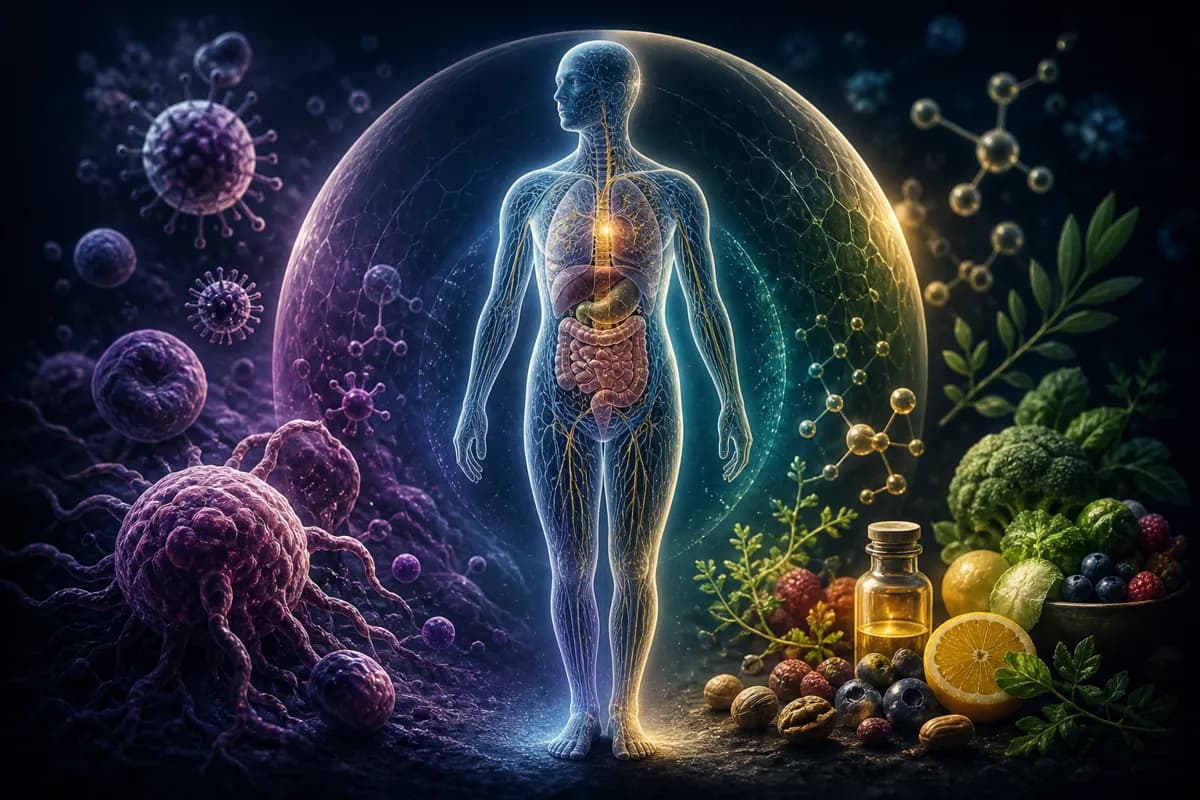
Cancer is a complex and multifaceted disease that affects millions of people worldwide. While conventional treatments such as chemotherapy, radiation, and surgery are essential in fighting cancer, a growing body of evidence suggests that a comprehensive, personalized approach addressing the body’s internal environment can play a crucial role in both prevention and treatment.
Functional medicine, a patient-centered approach to healthcare, focuses on identifying and addressing the root causes of disease rather than merely treating symptoms. When it comes to cancer, functional medicine practitioners emphasize the importance of optimizing the body’s terrain – the internal environment in which cancer cells may develop and grow.
The Role of Inflammation, Obesity, and Toxins in Cancer Risk
Chronic inflammation, obesity, and exposure to toxins have been identified as key factors contributing to an increased risk of various types of cancer. Obesity, in particular, is set to overtake smoking as the number one cause of cancer worldwide, according to estimates by the American Society of Clinical Oncology.
Excess body fat can lead to insulin resistance and chronic inflammation, creating a favorable environment for cancer cells to thrive. Additionally, shifts in the gut microbiome, potentially caused by factors such as antibiotic use and poor diet, may also contribute to an increased risk of certain cancers, including colon cancer.
Functional medicine practitioners work with patients to identify and address these underlying risk factors through lifestyle modifications, nutritional interventions, and targeted supplementation. By reducing inflammation, supporting a healthy weight, and minimizing exposure to toxins, individuals can create a less hospitable terrain for cancer development.
The Functional Medicine Approach: A Comprehensive Patient Assessment
To effectively identify and address the root causes of disease, functional medicine practitioners conduct a thorough patient assessment. This process involves gathering a detailed medical and lifestyle history, using tools such as the functional medicine matrix to organize and analyze the information.
The functional medicine matrix is a visual tool that helps practitioners identify imbalances and dysfunctions across seven key physiological systems: digestion, immune function, energy production, toxin exposure, cardiovascular health, hormones and neurotransmitters, and structural integrity. By mapping patient symptoms and history onto this matrix, practitioners can begin to uncover the interconnected factors contributing to disease.
Key Tests in Functional Medicine: Uncovering Hidden Imbalances
In addition to a comprehensive patient history, functional medicine practitioners often recommend specific tests to gain deeper insights into an individual’s unique physiological status. Three key tests commonly used in functional medicine include:
- Nutritional Analysis: This test assesses levels of essential nutrients, as well as biomarkers of metabolic dysregulation, inflammation, oxidation, and toxin exposure.
- Gut and Microbiome Analysis: Given the crucial role of the gut in overall health, this test examines markers of inflammation, bacterial imbalances, infections, and toxins in the digestive system.
- Genetic Testing: By identifying single nucleotide polymorphisms (SNPs) – small variations in gene blueprints – practitioners can pinpoint potential predispositions to physiological abnormalities that may contribute to chronic disease and cancer risk.
The insights gained from these tests help practitioners develop personalized treatment plans that address each patient’s unique needs and imbalances.
Estrogen Metabolism, Detoxification, and Breast Cancer Risk
One area where genetic testing can provide valuable insights is in the realm of estrogen metabolism and detoxification. Variations in genes such as CYP1A1 and CUMT, which produce proteins responsible for removing estrogen from the body, can lead to the accumulation of inflammatory estrogen metabolites.
If these gene variants are identified early in life, individuals can adopt lifestyle and nutritional strategies to support proper estrogen detoxification, potentially reducing their risk of hormone-related cancers like breast cancer. This proactive approach emphasizes prevention and optimization of the body’s natural defenses, rather than relying solely on early detection through mammograms or other screening methods.
The Ketogenic Diet: Starving Cancer Cells
Recent research has shed light on the potential of the ketogenic diet – a high-fat, very low-carbohydrate eating pattern – in the treatment of certain cancers. Cancer cells rely heavily on glucose (sugar) for growth and survival, and by drastically reducing carbohydrate intake, the ketogenic diet may help “starve” these cells.
Studies in animal models have shown promising results, with the ketogenic diet contributing to the reversal of aggressive cancers such as pancreatic cancer and melanoma. While more research is needed to fully understand the mechanisms at play and to determine the efficacy of this approach in humans, the ketogenic diet represents an exciting area of investigation in the field of cancer treatment.
A Comprehensive Approach to Cancer Prevention and Treatment
The functional medicine approach to cancer prevention and treatment recognizes the complexity of the disease and the importance of addressing the body as a whole. By identifying and addressing root causes, optimizing the body’s internal environment, and supporting natural defense mechanisms, functional medicine practitioners aim to create a less hospitable terrain for cancer development and growth.
While conventional cancer treatments remain essential, integrating functional medicine principles can provide patients with a more comprehensive and personalized approach to their care. By empowering individuals with the knowledge and tools to optimize their health and reduce their risk of chronic disease, functional medicine offers a proactive and patient-centered path towards better outcomes and improved quality of life.