 PRADEEP ALBERT
Sulforaphane: The Broccoli Compound That Fights Aging, Boosts Brain Health, and Balances Your Gut
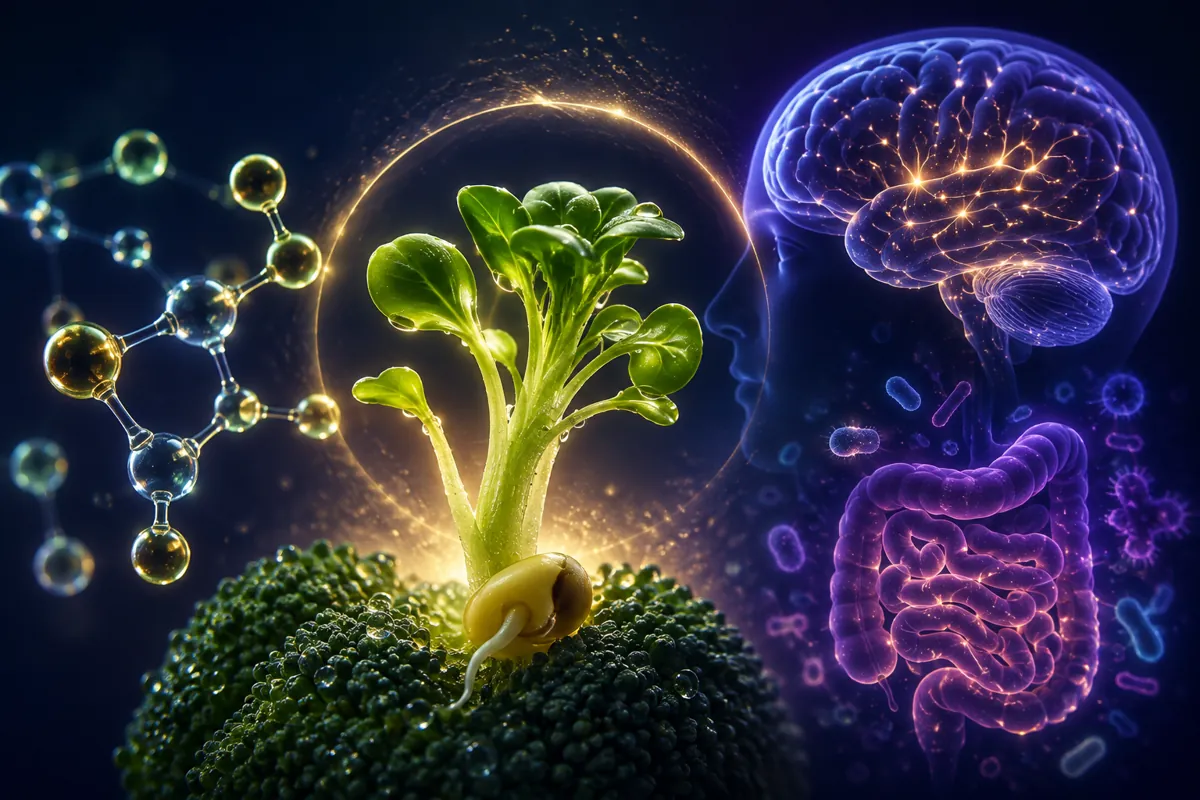
In recent years, scientists have been exploring the potential health benefits of sulforaphane, a potent molecule found in cruciferous vegetables like broccoli sprouts. This compound has been shown to have a wide range of positive effects on human health, from fighting cancer and promoting longevity to supporting brain function and gut health. Let’s take a closer look at the science behind sulforaphane and how it can be incorporated into a healthy lifestyle.
What is Sulforaphane?
Sulforaphane is a sulfur-containing compound that is produced when cruciferous vegetables, such as broccoli, are chopped or chewed. It is formed from the precursor glucoraphanin, which is converted to sulforaphane by the enzyme myrosinase. Broccoli sprouts are particularly rich in sulforaphane, containing up to 100 times more of the compound than mature broccoli.
Sulforaphane and Cancer Prevention
One of the most promising areas of research on sulforaphane is its potential to fight cancer. Studies have shown that sulforaphane can kill various types of cancer cells, including those from breast, prostate, colon, and lung cancers. It works by activating enzymes that detoxify carcinogens, reducing inflammation, and inducing apoptosis (programmed cell death) in cancer cells.
In a groundbreaking study, researchers grew a culture of breast cancer cells and tested 60 different supplements to see which ones were most effective at killing the cancer. Sulforaphane ranked as the third most potent, behind only intravenous vitamin C and curcumin. This highlights the potential of sulforaphane as a natural cancer-fighting agent.
Sulforaphane and Longevity
In addition to its anti-cancer properties, sulforaphane has been shown to support healthy aging and longevity. One of the key mechanisms behind this effect is its ability to induce autophagy, the cellular process of clearing out damaged or misfolded proteins. As we age, our cells accumulate these dysfunctional proteins, leading to impaired cellular function and increased risk of age-related diseases.
Sulforaphane helps to stimulate autophagy, allowing cells to efficiently remove these damaged proteins and maintain optimal function. This can help to slow down the aging process and reduce the risk of chronic diseases like Alzheimer’s, Parkinson’s, and cardiovascular disease.
Another way sulforaphane promotes longevity is by activating the Nrf2 pathway, which regulates the expression of antioxidant and detoxification genes. This helps to protect cells from oxidative stress and environmental toxins, two major contributors to aging and disease.
Sulforaphane and Brain Health
The benefits of sulforaphane extend beyond physical health to include brain function and neurological well-being. One of the most exciting discoveries in this area is sulforaphane’s ability to cross the blood-brain barrier and induce the production of brain-derived neurotrophic factor (BDNF).
BDNF is a protein that plays a crucial role in neuronal growth, survival, and plasticity. It helps to support the formation of new neural connections and the adaptability of the brain to new experiences and learning. Low levels of BDNF have been linked to depression, anxiety, and cognitive decline.
By boosting BDNF levels, sulforaphane can help to promote neuroplasticity and maintain healthy brain function as we age. This may have implications for preventing or slowing the progression of neurodegenerative diseases like Alzheimer’s and Parkinson’s.
Sulforaphane has also been shown to have neuroprotective effects, shielding brain cells from damage caused by inflammation and oxidative stress. This is particularly relevant in the context of traumatic brain injury and stroke, where sulforaphane may help to limit the extent of neurological damage.
Sulforaphane and Gut Health
The gut is often referred to as the “second brain” due to the intricate connection between the digestive system and the central nervous system. Maintaining a healthy gut microbiome is essential for overall health and well-being, and sulforaphane may play a role in promoting gut balance.
Studies have shown that sulforaphane can help to modulate the composition of the gut microbiome, shifting it towards a younger, healthier profile. This is important because the balance of bacteria in the gut can influence everything from digestion and nutrient absorption to immune function and mental health.
One of the ways sulforaphane supports gut health is by strengthening the intestinal barrier. It does this by activating the Nrf2 pathway, which regulates the expression of genes involved in maintaining tight junctions between intestinal cells. Tight junctions are essential for preventing leaky gut syndrome, a condition where partially digested food and toxins can escape the intestines and enter the bloodstream, triggering inflammation and autoimmune reactions.
Sulforaphane has also been shown to repair gap junctions, another type of cellular connection that allows for communication between adjacent cells. This unique property of sulforaphane helps to ensure that the cells lining the intestines can function as a cohesive unit, further promoting gut integrity.
Sulforaphane and Detoxification
In today’s world, we are constantly exposed to a wide range of environmental toxins, from pesticides and heavy metals to plastics and air pollution. These toxins can accumulate in the body over time, contributing to chronic inflammation, oxidative stress, and an increased risk of disease.
Sulforaphane has been shown to support the body’s natural detoxification systems, helping to neutralize and eliminate harmful toxins. It does this by activating the Nrf2 pathway, which regulates the expression of phase II detoxification enzymes. These enzymes are responsible for converting toxins into less harmful substances that can be safely excreted from the body.
One of the most common environmental toxins is glyphosate, the active ingredient in the herbicide Roundup. Studies have shown that glyphosate can disrupt the gut microbiome, damage intestinal cells, and contribute to leaky gut syndrome. Sulforaphane has been found to counteract these effects, helping to protect the gut from glyphosate-induced damage.
How to Incorporate Sulforaphane into Your Diet
The most potent dietary source of sulforaphane is broccoli sprouts. These young broccoli plants contain up to 100 times more sulforaphane than mature broccoli heads. To incorporate broccoli sprouts into your diet, you can either grow them yourself or purchase them from health food stores or farmers markets.
One way to consume broccoli sprouts is by blending them into a smoothie along with other nutrient-dense ingredients like spinach, berries, and avocado. You can also add them to salads, sandwiches, or wraps for an extra crunch and nutritional boost.
If you don’t have access to fresh broccoli sprouts or don’t enjoy their taste, you can also consider taking a sulforaphane supplement. However, it’s important to choose a high-quality supplement that contains stabilized sulforaphane rather than just the precursor glucoraphanin. Many supplements on the market don’t actually contain bioavailable sulforaphane, so it’s important to do your research and select a reputable brand.
When it comes to dosage, studies have shown that therapeutic effects can be achieved with as little as 2-5 micromoles of sulforaphane per day. This is equivalent to consuming around 1-2 ounces of fresh broccoli sprouts or taking a supplement that provides a standardized dose of sulforaphane.
Conclusion
Sulforaphane is a powerful molecule with a wide range of potential health benefits, from fighting cancer and promoting longevity to supporting brain health and gut balance. By incorporating broccoli sprouts or a high-quality sulforaphane supplement into your diet, you can tap into the power of this natural compound to optimize your health and well-being.
As with any dietary change or supplement routine, it’s always best to consult with a qualified healthcare practitioner to determine what’s right for your individual needs and health status. With the guidance of a knowledgeable provider, you can harness the benefits of sulforaphane to support your journey towards optimal health and vitality.