 PRADEEP ALBERT
Unlocking the Wisdom of Traditional Chinese Medicine: A Comprehensive Guide
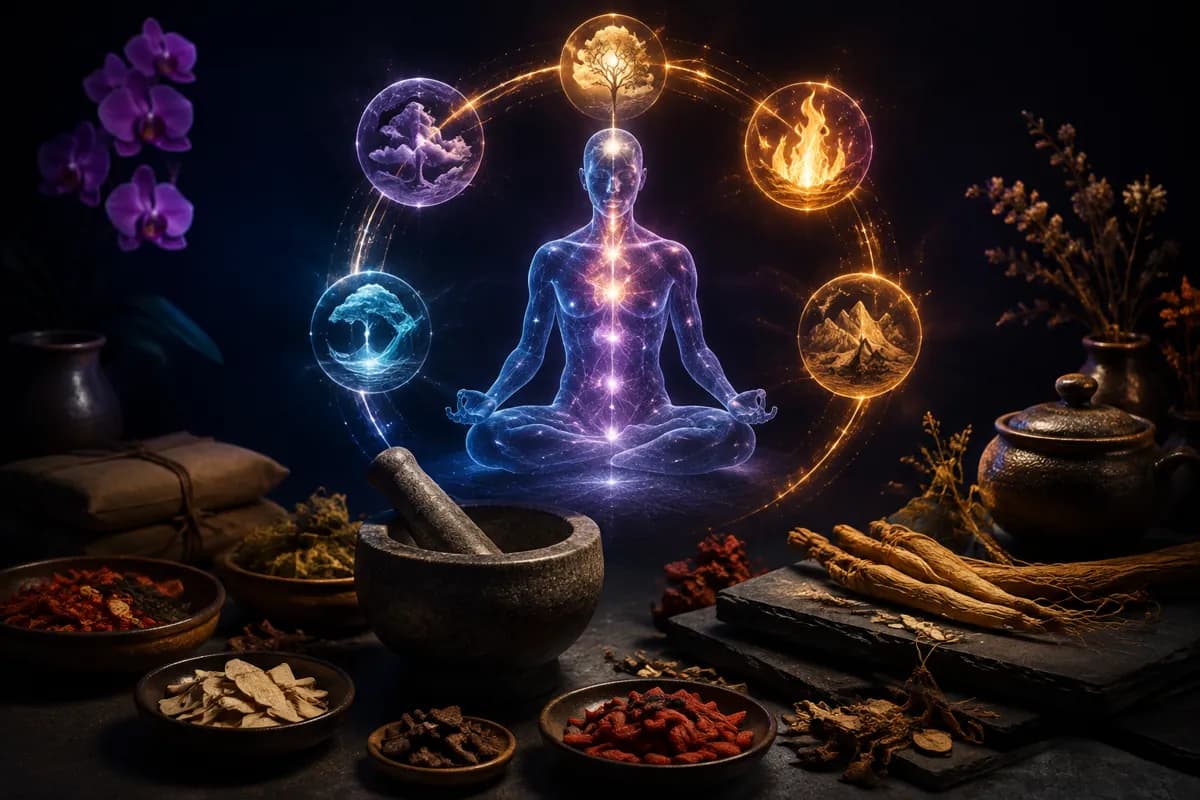
Traditional Chinese Medicine (TCM) is a holistic healing system that has been practiced for thousands of years. It views the body as an interconnected whole and seeks to restore balance and harmony to promote health and well-being. This article explores the core concepts, diagnostic methods, and treatment approaches of TCM.
The Five Elements
A fundamental concept in TCM is the theory of the Five Elements: Earth, Fire, Metal, Water, and Wood. These elements are believed to correspond to different aspects of the body, including organs, seasons, tastes, colors, and emotions.
Each individual is thought to have a dominant element that influences their physical and emotional characteristics. When the elements are balanced, the body is healthy. However, imbalances can lead to various health issues. TCM practitioners aim to identify and correct these imbalances to restore optimal health.
Diagnostic Techniques
TCM practitioners use several diagnostic methods to assess a patient’s health and identify imbalances in the body. Two of the most common techniques are pulse diagnosis and tongue analysis.
Pulse Diagnosis
In pulse diagnosis, the practitioner feels the patient’s pulse at different locations on the wrist. The quality, rhythm, and strength of the pulse can provide insights into the state of various organs and overall health. For example:
- A fast pulse may indicate excess heat in the body
- A slow pulse may suggest a cold condition
- A strong, bounding pulse may signify stress, anger, or high blood pressure
- A weak pulse may be associated with fatigue, insomnia, or depression
Tongue Analysis
Tongue analysis involves examining the color, shape, coating, and moisture of the tongue. Different areas of the tongue are believed to correspond to different organs. By observing the tongue, practitioners can gain valuable information about a patient’s health. For instance:
- A pale tongue may indicate a deficiency in blood or fluids
- A purple tongue may suggest blood stagnation
- A thick white or yellow coating may signify an excess of phlegm or mucus in the body
- Teeth marks on the sides of the tongue may indicate overthinking or overworking
Meridians and Acupuncture
In TCM, meridians are believed to be energy pathways that connect different parts of the body. Qi, or vital life force, flows through these meridians, nourishing the organs and tissues. When the flow of Qi is disrupted, it can lead to pain, inflammation, and various health problems.
Acupuncture is a primary treatment modality in TCM that involves inserting thin needles into specific points along the meridians. These points are carefully selected based on the patient’s diagnosis and are believed to stimulate the body’s natural healing processes, reduce pain and inflammation, and restore the balance of Qi.
Acupuncture has been used to treat a wide range of conditions, including:
- Chronic pain, such as back pain, neck pain, and knee pain
- Headaches and migraines
- Digestive issues, such as nausea, vomiting, and irritable bowel syndrome
- Respiratory problems, like asthma and allergies
- Gynecological disorders, including menstrual cramps and infertility
- Mental health concerns, such as anxiety, depression, and insomnia
Herbal Medicine
Herbal medicine is another essential component of TCM. Practitioners use a wide variety of herbs, often in combination, to address specific health concerns and restore balance in the body. One notable herb is astragalus root, which has been used in TCM for thousands of years.
Astragalus Root
Astragalus root is an adaptogenic herb that helps the body cope with stress and supports overall health. It is believed to have several benefits, including:
- Boosting the immune system
- Supporting cardiovascular health
- Improving respiratory function
- Aiding in wound healing
- Alleviating side effects of chemotherapy
- Helping manage diabetes
Astragalus root contains high levels of antioxidants, which help protect the body from damage caused by free radicals. It can be consumed as a tea, tincture, capsule, or topical ointment.
Personalized Treatment
One of the strengths of TCM is its emphasis on personalized treatment. Practitioners take into account an individual’s unique constitution, lifestyle, and emotional state when developing a treatment plan. This holistic approach recognizes that what works for one person may not be suitable for another.
For example, a TCM practitioner might recommend that a patient with an imbalance in their Fire element consume more green foods and fewer red or spicy foods. This dietary adjustment is intended to help balance the excess heat associated with the Fire element and restore harmony in the body.
The Mind-Body Connection
TCM recognizes the intimate connection between the mind and body. Emotional well-being is considered just as important as physical health, and practitioners often address both aspects when treating a patient.
Stress, anxiety, and other emotional factors can contribute to physical imbalances and health problems. By incorporating techniques such as acupuncture, herbal medicine, and dietary therapy, TCM aims to support emotional balance and promote overall well-being.
The Healing Process
In TCM, healing is viewed as a gradual process that occurs in cycles. It is believed that the body has an innate ability to heal itself, and the role of the practitioner is to support and facilitate this natural process.
Unlike Western medicine, which often focuses on rapid symptom relief, TCM takes a longer-term approach. It may take several weeks or months of consistent treatment to see significant improvements in health. However, the goal is not merely to alleviate symptoms but to address the root cause of the imbalance and prevent future health problems.
Integrating TCM with Modern Medicine
While TCM has its own unique philosophy and approaches, it can be used in conjunction with modern Western medicine. Many healthcare providers recognize the potential benefits of integrating TCM techniques, such as acupuncture and herbal medicine, into comprehensive treatment plans.
For example, acupuncture has been shown to be effective in managing pain and reducing the need for opioid medications. Herbal remedies may be used alongside conventional treatments to support the body’s natural healing processes and minimize side effects.
It is essential for patients to inform their healthcare providers about any TCM therapies they are using to ensure safe and coordinated care.
The Future of TCM
As interest in holistic and natural approaches to health continues to grow, TCM is gaining greater recognition and acceptance worldwide. Researchers are conducting studies to better understand the mechanisms behind TCM therapies and validate their effectiveness.
TCM practitioners are also adapting to modern times by incorporating technology and telemedicine into their practices. Virtual consultations and online resources are making TCM more accessible to people who may not have access to in-person care.
As the field of TCM evolves, it has the potential to play an increasingly important role in promoting health and well-being on a global scale.
Conclusion
Traditional Chinese Medicine offers a unique and comprehensive approach to health and healing. By understanding the core concepts, diagnostic methods, and treatment modalities of TCM, individuals can gain a deeper appreciation for this ancient healing system.
Whether used as a standalone therapy or in combination with modern medicine, TCM has the potential to help people achieve optimal health and balance in their lives. As always, it is important to consult with qualified healthcare providers to determine the most appropriate course of treatment for individual needs and circumstances.