 PRADEEP ALBERT
Preserving Cognitive Health Across the Lifespan
Understanding Age-Related Cognitive Decline
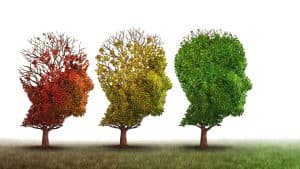
As we age, most people experience gradual but linear declines in various domains of cognitive function. This includes decreases in memory, processing speed, executive function, and reaction time. For example, you may find it increasingly difficult to quickly retrieve someone’s name from memory or to juggle multiple tasks as nimbly as you once could.
These age-related changes likely stem from a combination of factors:
- Reduced cognitive demand placed on key brain regions over time
- Atrophy of frontal and temporal brain structures important for memory and executive function
- Disruption of cellular processes like mitochondrial function and membrane integrity
- Inadequate rest and recovery for overtaxed neurons
- Increased vulnerability to inflammation and other stressors
Preserving Cognition by Training at the Limits
Though some decline seems inevitable, focused cognitive training may help stave it off. Just as strength training builds muscle, challenging your brain drives structural and functional adaptations to expand mental capacity.
The most effective training lies at the edge of your current abilities – intense enough to spur growth, but not so intense as to overwhelm recovery. Activities requiring prolonged concentration on a single task, problem-solving, quick reactions, and learning entirely new skills may stimulate cognition better than passive entertainment.
However, take care not to slip into chronic multitasking, which requires continual refocusing and limits time actually spent learning. The brain cannot efficiently switch between complex tasks, despite any illusion of productivity.
Differentiating Normal Aging from Dementia
While gradual decline represents normal aging, an accelerated trajectory likely signals pathology. Mild cognitive impairment may progress to full-blown dementia over 5-10 years as deficits mount across multiple spheres of function.
Alzheimer’s disease constitutes up to 80% of dementia cases. It emerges when abnormal protein deposits called beta-amyloid plaques and tau tangles accumulate within neurons, eventually killing them. But curiously, the visible degree of Alzheimer’s pathology correlates poorly with clinical symptoms and impairment from person to person.
Other common dementias include vascular dementia, driven by mini-strokes and chronic cerebrovascular dysfunction; frontotemporal dementia, which damages areas governing behavior and language; and Lewy body dementia, characterized by protein clumps in neurons alongside Parkinson’s-like movement issues.
Lifestyle Factors Impacting Dementia Risk
Though non-modifiable genetic factors contribute, lifestyle still greatly influences one’s dementia vulnerability. Education early in life, cognitive engagement later on, regular exercise, sound nutrition, and good vascular health appear particularly protective.
For example, those who retire from careers demanding considerable brainpower tend to decline faster than peers who take up brain-stimulating hobbies. Learning a new language in your 60s or 70s may pay bigger cognitive dividends than doing crossword puzzles.
Physical activity likely wards off dementia not only by bolstering cardiovascular function but also through direct effects on brain plasticity and resilience. Even simple walking helps, but complex activities requiring reactive decision-making and motor control like dance or table tennis may reap added benefits.
Nutritional and Pharmacologic Prevention Strategies
Certain supplements also show promise for avoiding cognitive deterioration. Omega-3 fatty acids like DHA play vital structural and functional roles within neuron membranes. B vitamins facilitate enzymatic reactions producing neurotransmitters and energy. Maintaining optimal levels through diet or supplements seems to correlate with preserved cognition.
Other appealing options include curcumin to suppress neuroinflammation, nicotinamide riboside to enhance neuronal bioenergetics, and medical foods containing ingredients like citicoline and phosphatidylserine to support cell membrane integrity and signaling.
However, human evidence remains limited overall, warranting further research on nutritional and nutraceutical approaches for dementia prevention. Lifestyle modulation likely conveys more robust and reliable advantages.
Caring for the Brain After Concussion
Alongside aging, acute brain trauma like sports-related concussions also imperil cognitive function. Concussions result from forceful blows causing the brain to ricochet inside the skull, stretching and damaging fragile neuronal structures.
Post-concussion syndrome manifests as headaches plus issues with concentration, memory, sleep, balance, and emotional regulation. Symptoms typically resolve within days or weeks, but occasionally linger for months or years.
Those experiencing multiple concussions face heightened risks of persistent impairment and earlier cognitive decline. Each subsequent hit tends to exact steeper consequences through additive and synergistic effects.
Fortunately, several strategies expedite healing. Physical and cognitive rest immediately following injury allows overtaxed neurons to recover. Omega-3s may limit detrimental inflammation and metabolic dysregulation. Light, gradual activity resumption helps retrain damaged networks once acute symptoms subside.
Because no two concussions follow identical arcs, personalized care produces the best functional outcomes. But through proper management, most enjoy excellent recovery prospects and largely normal lifetime brain trajectories.
In the end, maintaining lifelong cognitive vigor requires continuing to challenge your faculties day in and day out. But with consistent training at the edge of your competencies, ample recovery, brain-healthy lifestyle choices, and prompt care after any injuries, your faculties should stay sharp for decades to come.