 PRADEEP ALBERT
Unraveling the Complexities of Alzheimer's Disease
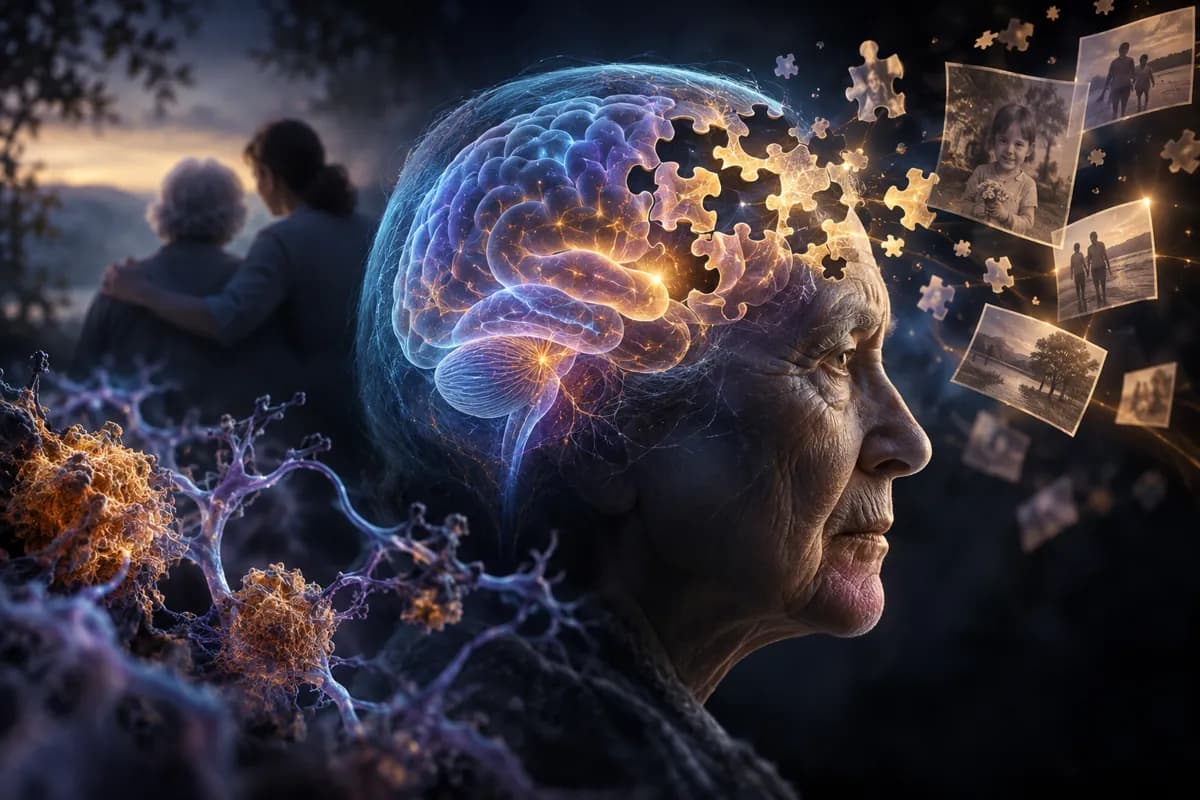
Gaining Insight into a Devastating Illness
Alzheimer’s disease exerts a heavy toll, not just on those directly afflicted but also on their loved ones. However, recent years have seen an increase in understanding of this complex illness. From earlier detection to new treatment approaches, the outlook continues to improve.
Piecing Together an Elusive Diagnosis
Given the lack of definitive diagnostic tests, clinicians must carefully evaluate patients and family members to identify emerging cognitive and functional changes over time. This may involve cognitive screens, brain imaging to detect atrophy patterns, and tests to rule out reversible causes. A diagnosis of Alzheimer’s requires evidence of progressive impairment disrupting daily capacities.
Depression, anxiety, and other behavioral symptoms often accompany Alzheimer’s and require management through counseling and medications. Unlike cognitive decline, these emotional aspects tend to respond well to treatment.
Shifting From Symptomatic Relief to Targeting Disease
Thus far, approved Alzheimer’s drugs only temporarily improve symptoms related to neurotransmitter dysfunction. However the research landscape has been transformed by the ability to detect biological hallmarks like amyloid plaques and tau tangles in living patients. This has enabled a wave of clinical trials targeting these pathological processes, not just downstream effects, with the ultimate goal of slowing or arresting neurodegeneration.
Monoclonal antibodies against amyloid represent one such experimental approach, though formidable challenges remain in demonstrating efficacy. Enrolling patients at earlier stages may prove key, before irreversible neuron damage amasses.
Navigating Murky Waters: Challenges in Clinical Trial Design
Objectively tracking subtle cognitive changes over a relatively short timeframe poses obstacles for drug development. So does relying on patient and caregiver reports subject to variability. Scientists continue working to validate biological and neuropsychological markers that better correlate with disease progression and treatment response. Selecting appropriate participants and statistically sound clinical endpoints also impacts whether a therapy shows benefit.
Preserving Quality of Life: Emotional Health as a Bulwark
Even with medical advances on the horizon, emotional well-being remains central to healthy aging. Maintaining self-worth and social connections counterbalances decline better than mourning accumulated losses. By focusing on meaningful relationships and staying engaged each day, people can withstand physical and mental challenges with dignity.
Rather than viewing a dementia diagnosis as an endpoint, patients and loved ones do well to adapt activities for safety and fulfillment in the present moment. Relinquishing former roles or abilities proves less devastating for those anchored to a rich support network. With compassion and creativity, living fully with cognitive impairment remains possible.