 PRADEEP ALBERT
Uncovering the Complexities of Lyme Disease and Pursuing Effective Treatment
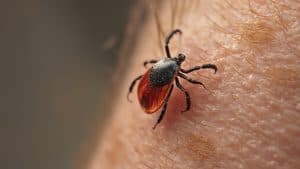
The Rising Threat of Tick-Borne Illnesses
Lyme disease and other tick-borne infections are on the rise nationwide, presenting growing threats to public health. Recent data from the CDC highlights the meteoric increase in these diseases, which is creating anxiety for many who enjoy outdoor activities. With tick encounters now common in unexpected places like suburban lawns and playgrounds, vigilance about prevention and early treatment is more crucial than ever.
Protecting Yourself from Ticks in the Outdoors
While the prevalence of ticks means woods avoidance is unrealistic, smart precautions can substantially reduce your risk. Since ticks wait on vegetation and latch on to those brushing past, staying on trails is advisable. When hiking off-trail or in overgrown areas, apply natural repellents with oils like cedar, lemongrass, and clove, which research shows can be highly effective.
Covering up also helps deter ticks from reaching your skin. Use long sleeves, pants tucked into socks, closed toe shoes, and hats when possible. Thorough tick checks after outdoor exposure remain vital – carefully inspect the scalp, behind ears, armpits, waist, and other warm areas where tiny nymphs often hide.
Seeking Early Treatment After a Tick Bite
If a tick bite does occur, prompt medical attention provides the best chance to prevent Lyme disease. Current guidelines advise at least 6 weeks of antibiotics like doxycycline to eradicate the infection. However, treatment until all symptoms resolve is often needed, due to the slow replication of Lyme bacteria.
Testing the tick itself can guide management, since a positive result means bacteria exposure likely occurred. Even without symptoms, initiating preventive treatment makes sense with a positive tick test, as it can take weeks for Lyme to manifest. Still, restraint is reasonable without clinical signs, since many clear infections without incident.
Making a Clinical Diagnosis of Lyme Disease
Lyme disease has always been and remains a clinical diagnosis based on symptoms, rather than lab tests. Bloodwork merely validates suspicion of exposure – it cannot definitively diagnose Lyme disease or indicate its severity. Understanding its extensive and variable symptomatology is essential for identification.
Hallmark Signs of Early Lyme Disease
Approximately 50% of those infected recall a stereotypical “bullseye rash,” an expanding red ring with central clearing. While extremely specific to Lyme when present, over half of patients lack this finding. Less distinctive rashes still warrant consideration – flat, diffuse redness over large areas that is non-raised and non-itchy points to Lyme.
Beyond rashes, rapidly developing flu-like illness after outdoor exposure in endemic areas should raise suspicion. Early cases often have high fevers, pounding headaches, muscle aches, joint pain, chills, fatigue, lymph node swelling – similar to a virulent viral infection.
Manifestations of Later Stage Lyme Disease
In untreated or inadequately treated patients, Lyme disease progresses to involve musculoskeletal and nervous systems. Headaches, fatigue, and myalgias commonly persist and intensify. Perhaps most characteristic is migratory joint pain, rapidly shifting between areas like the knees, shoulders, wrists or ankles.
Neurologic manifestations also emerge – sensations of numbness, tingling, burning, or shooting pains, along with cognitive dysfunction. Patients experience brain fog, impaired memory and concentration, word finding troubles, and problems with coordination or balance. Severe fatigue tending to worsen after activity develops as inflammation takes its toll.
The Autoimmune Connection in Lyme Disease
An under-recognized aspect of Lyme pathogenesis relates to subsequent autoimmunity. Multiple studies confirm the Lyme bacteria can trigger various autoantibodies attacking tissues like the brain, joints, muscles, and nerves. This autoimmune reaction likely explains why some patients develop treatment-resistant symptoms.
Clinically, misdiagnosis of Lyme-induced autoimmunity as other conditions is common. Many Lyme patients meet diagnostic criteria for diseases like rheumatoid arthritis, lupus, or multiple sclerosis. Identifying and addressing the root infectious trigger here is thus paramount to restore health.
Laboratory Testing Controversies in Lyme Diagnosis
CDC-Recommended Two-Tier Testing
For decades, CDC Lyme testing guidelines have centered around a two-tier algorithm, beginning with highly specific but insensitive EIAs, followed by Western Blots if negative. However, this approach misses the majority of Lyme cases and should not be relied upon. Many specialists argue for a total overhaul of testing standards to reflect our current understanding of Lyme immunology.
Newer Approaches to Lab Diagnosis
Given inadequate sensitivity of CDC-approved tests, clinicians now often utilize alternative labs with updated methodologies. These labs employ different testing kits and criteria for positivity, allowing detection of cases that standard algorithms miss. However, no single test is perfect, and clinical correlation remains mandatory to confirm Lyme disease.
One emerging technique assesses cytokine activation rather than antibodies, helping identify early cases. Future improvements like assays measuring tissue-specific autoantibodies may also enhance diagnostic accuracy and guide treatment responses. For now, utilizing multiple laboratory tools in parallel, when feasible, represents the best strategy.
Interpreting Positive Lyme Blood Tests
When Lyme testing returns positive, it proves sensitization from prior infection, but does not per se indicate active disease. Absent characteristic symptoms, individuals may simply have cleared previous exposure without issue. Hence the CDC’s stance that Lyme remains a clinical, not laboratory diagnosis. Still, in those with suggestive presentations, positive results validate the diagnosis and direct management.
Natural Treatment Approaches for Lyme Disease
While conventional protocols focus exclusively on antibiotics for Lyme disease, numerous clinical observations and research studies demonstrate the efficacy of natural options as well. Nutrients, herbs, homeopathy, and immune modulators all have roles in battling Lyme and relieving stubborn symptoms.
Herbal Therapies for Lyme Disease
Among available modalities to treat Lyme naturally, herbal medicines demonstrate perhaps the greatest benefit. Formulas from Traditional Chinese Medicine (TCM) and Amazonian traditions show potent anti-Lyme, anti-inflammatory, and immune-modulating properties.
Noted herbal approaches like the Cowden and Zhang protocols use combinations like cat’s claw, smilax, garlic, cordyceps, pulsatilla, coptis, andrographis, and Japanese knotweed. These botanicals work synergistically to eradicate Lyme bacteria, dampen inflammation, and enhance immune functioning.
Avoiding and Managing Herxheimer Reactions
As potent antimicrobial therapies kill off Lyme bacteria, they can release biotoxins and provoke inflammatory flares called Herxheimer reactions. To limit their intensity, drainage remedies like garlic, curcumin, and berberine help facilitate toxin clearance.
Slow, gradual dose escalation of anti-microbial herbs gives the body more opportunity to adapt. In some cases, periodic pulsing of treatment also proves useful to temper reactions. Supportive therapies like IV nutrients can further aid recovery from die-off responses when severe.
Diet and Lifestyle Modifications for Lyme Patients
Diet and lifestyle factors profoundly impact Lyme disease in often underappreciated ways. Because gut inflammation and permeability accompany Lyme, eating an alkaline, prebiotic-rich, mostly plant-based diet helps reduce systemic inflammation and autoimmunity.
Sleep often suffers greatly in Lyme patients as well, exacerbating fatigue and impeding tissue healing. Prioritizing a regular sleep-wake cycle, limiting electronics at night, and using CBD oil, glycine, and melatonin bolsters deep restorative sleep to speed recovery.
An Ongoing Journey to Uncover Solutions
As a complex multisystem illness with protean manifestations, Lyme disease presents daunting challenges both in diagnosis and treatment. Driven by personal journeys with Lyme, innovators continue working to better understand its nuances and refine clinical strategies.
From deciphering optimal laboratory testing methodologies to determining which natural remedies work best, much active investigation aims at uncovering answers. Until solutions arise for reliably detecting and curing Lyme disease, concentration on prevention and prompt treatment remain our best practices.