 PRADEEP ALBERT
Unlocking the Power of Intuitive Fasting: A Functional Medicine Approach to Metabolic Flexibility and Optimal Health

Introduction: The Mismatch Between Genetics and Modern Lifestyle
In today’s fast-paced world, our bodies are facing a unique challenge: a mismatch between our genetic makeup and the modern lifestyle. This discrepancy is at the root of many chronic health issues, such as autoimmune diseases, mental health disorders, and metabolic problems. As we explore the potential solutions to this problem, one ancient practice stands out as a powerful tool for restoring balance and promoting optimal health: fasting.
The Evolutionary and Spiritual Roots of Fasting
Fasting is not a new concept; it is deeply ingrained in human DNA. Our ancestors would have experienced periods of food scarcity, and as a result, our bodies have evolved to thrive during times of fasting. Moreover, fasting has been a part of spiritual practices across cultures for centuries, from the Jewish tradition of Yom Kippur to the Islamic practice of Ramadan. Even the father of modern medicine, Hippocrates, recognized the healing power of fasting and implemented it in his patient care.
Inflammation: The Common Denominator in Chronic Health Issues
To understand how fasting can benefit our health, we must first recognize the role of inflammation in chronic diseases. Inflammation is a natural immune response, but when it becomes chronic, it can lead to a wide range of health problems. Some common signs of chronic inflammation include:
- Autoimmune diseases
- Mental health issues, such as anxiety and depression
- Metabolic disorders, like insulin resistance and type 2 diabetes
- Digestive problems
- Skin conditions, such as acne
The Power of Food: Feeding or Fighting Inflammation
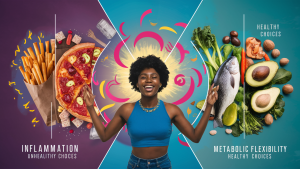
One of the most significant factors influencing inflammation is our diet. Every food we consume either feeds inflammation or fights it. By making informed choices about what we eat, we can take control of our health and reduce chronic inflammation. A diet rich in whole, nutrient-dense foods, such as leafy greens, healthy fats, and high-quality proteins, can help combat inflammation and support optimal health.
Intuitive Fasting: A Flexible Approach to Metabolic Health
Intuitive fasting is a powerful tool that combines the benefits of intermittent fasting with a clean, ketogenic diet. By cycling between periods of fasting and eating, we can help our bodies shift from being sugar burners to fat burners, thereby increasing metabolic flexibility. This approach is not about strict calorie restriction or deprivation; instead, it focuses on nourishing the body with nutrient-dense foods during eating windows and allowing the body to rest and repair during fasting periods.
Principle 1: Shifting from Sugar Burner to Fat Burner
The first principle of intuitive fasting is to help the body transition from relying on sugar for fuel to burning fat efficiently. When we constantly consume high-carbohydrate meals, our bodies become dependent on glucose for energy, leading to blood sugar imbalances, cravings, and inflammation. By incorporating periods of fasting and focusing on healthy fats and proteins during eating windows, we can train our bodies to utilize fat for fuel, resulting in more stable energy levels, better mental clarity, and reduced inflammation.
Principle 2: Amplifying the Benefits with a Clean Ketogenic Diet
The second principle of intuitive fasting involves pairing intermittent fasting with a clean, ketogenic diet. By consuming a diet rich in healthy fats, moderate amounts of protein, and low in carbohydrates, we can support the production of ketones, which have powerful anti-inflammatory and neuroprotective properties. This combination of fasting and a ketogenic diet can lead to improved insulin sensitivity, better brain function, and enhanced cellular repair mechanisms, such as autophagy.
The Benefits of Flexible Intermittent Fasting
Flexible intermittent fasting offers a wide range of benefits for both physical and mental health. Some of these benefits include:
- Fat burning and weight loss
- Improved insulin sensitivity and blood sugar control
- Reduced inflammation and oxidative stress
- Enhanced brain function and neuroprotection
- Increased cellular repair and regeneration through autophagy
- Better gut health and balanced gut-brain axis
- Improved cardiovascular health
- Potential cancer-preventive effects
Autophagy: The Body’s Self-Cleaning Mechanism
One of the most fascinating benefits of fasting is its ability to stimulate autophagy, a cellular recycling process that helps the body remove damaged proteins and organelles, replacing them with newer, healthier components. This self-cleaning mechanism is essential for maintaining optimal health and preventing the development of chronic diseases. By incorporating periodic fasting into our lifestyle, we can support autophagy and promote cellular rejuvenation.
The Gut-Brain Connection: How Fasting Supports Mental Health
The gut and the brain are intricately connected through the gut-brain axis, a bidirectional communication pathway that influences both digestive health and mental well-being. Fasting has been shown to have a positive impact on the gut microbiome, promoting the growth of beneficial bacteria and reducing inflammation in the gut. This, in turn, can lead to improved mood, reduced anxiety and depression, and better overall mental health.
A Four-Week Flexible Fasting Plan
To help individuals experience the benefits of intuitive fasting, a four-week flexible fasting plan can be implemented. This plan involves cycling through different fasting windows and incorporating a clean, ketogenic diet during eating periods. The four weeks are structured as follows:
- Week 1: 12-12 fasting (12 hours fasting, 12 hours eating)
- Week 2: 18-6 fasting (18 hours fasting, 6 hours eating)
- Week 3: Almost OMAD (One Meal A Day) fasting (20-22 hours fasting, 2-4 hours eating)
- Week 4: 12-12 fasting with carb cycling for hormone balance
This cyclical approach allows the body to adapt gradually to longer fasting periods while still providing flexibility and nourishment during eating windows.
Fasting and Women’s Health: A Personalized Approach
When it comes to fasting, women may have unique considerations due to hormonal fluctuations and individual health needs. It is essential to approach fasting in a personalized manner, taking into account factors such as menstrual cycle, thyroid function, and overall stress levels. A cyclical approach to fasting, with shorter fasting windows and more frequent eating periods, may be more suitable for some women to maintain hormonal balance and overall well-being.
Mindfulness: The Mental and Emotional Aspects of Fasting
In addition to the physical benefits, intuitive fasting also offers an opportunity to cultivate mindfulness and self-awareness. By tuning into our body’s hunger and satiety cues, we can develop a more intuitive relationship with food and nourish ourselves on a deeper level. Incorporating mindfulness practices, such as meditation or journaling, during fasting periods can help support emotional well-being and promote a more balanced approach to health.
Conclusion: Embracing Intuitive Fasting for Optimal Health
Intuitive fasting is a powerful tool for promoting metabolic flexibility, reducing inflammation, and supporting overall health and well-being. By honoring our body’s innate wisdom and leveraging the benefits of intermittent fasting and a clean, ketogenic diet, we can restore balance, enhance cellular function, and optimize our physical and mental health. As we navigate the challenges of modern life, embracing intuitive fasting can help us reconnect with our evolutionary roots and unlock the path to vibrant, resilient health.