 PRADEEP ALBERT
Reversing Autoimmune Disease with Functional Medicine: A Science-Based Approach
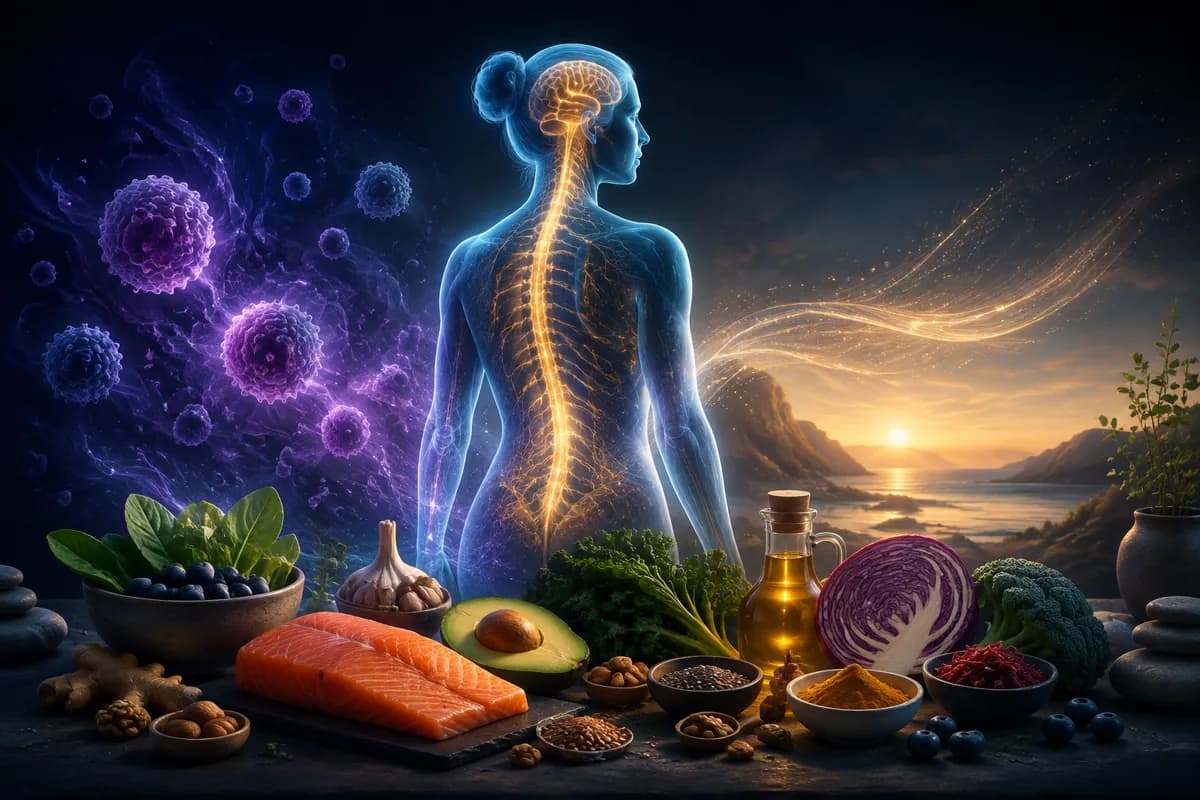
In the world of medicine, autoimmune diseases like multiple sclerosis (MS) have long been considered progressive and incurable. However, a growing body of evidence suggests that remarkable improvements are possible when using a functional medicine approach that addresses the root causes of illness. By focusing on food as medicine and comprehensively optimizing diet and lifestyle factors, many individuals have been able to put their autoimmune conditions into remission.
Functional medicine is a personalized, systems-based approach that looks at the unique factors contributing to each patient’s condition, rather than just treating based on disease labels. It recognizes that there can be many different paths to the same diagnosis, and seeks to identify and address the underlying imbalances driving illness in each individual.
The Power of Food as Medicine
One of the key principles of functional medicine is using food as medicine. Many autoimmune conditions are characterized by chronic inflammation, and diet plays a major role in either promoting or reducing inflammation in the body. By identifying and eliminating inflammatory triggers like gluten, dairy, and processed foods, while emphasizing nutrient-dense, anti-inflammatory foods, it’s possible to profoundly impact the course of autoimmune disease.
In one remarkable case, a physician with progressive MS was able to get out of her wheelchair and bike within a year by dramatically changing her diet. She shifted to a Paleo diet high in specific vegetables, mushrooms, seaweed, and healthy fats, while also incorporating targeted supplements. Combined with lifestyle changes like meditation and exercise, this enabled her to achieve a level of recovery that many would have thought impossible.
The specifics of an optimal anti-inflammatory diet can vary somewhat from person to person based on individual food sensitivities and nutrient needs. However, some key components include:
- Abundant vegetables, especially leafy greens, sulfur-rich vegetables like broccoli and garlic, and deeply pigmented produce
- Mushrooms, which contain unique compounds that support immune function and nerve health
- Seaweed and algae, which are rich in minerals and help support detoxification
- Healthy fats like omega-3s from fish, monounsaturated fats from olive oil and avocados, and medium-chain triglycerides from coconut oil
- Moderate amounts of clean proteins like wild-caught fish, grass-fed meats, and pasture-raised eggs
Just as important as what’s included is what’s avoided. Many individuals with autoimmune conditions see significant improvements by eliminating gluten, dairy, soy, corn, and sugar, as well as processed foods and industrial seed oils high in inflammatory omega-6 fats. In some cases, additional foods like eggs, nightshades, or grains may need to be eliminated as well based on individual sensitivities.
Healing the Gut to Heal the Immune System
Another key focus in functional medicine is gut health. The gut is home to nearly 70% of the immune system, and intestinal hyperpermeability or “leaky gut” is a common factor in autoimmune disease. When the integrity of the gut lining is compromised, partially digested food particles and bacteria can enter the bloodstream, triggering an immune response and promoting system-wide inflammation.
Healing the gut often involves removing inflammatory triggers as mentioned above, while adding in gut-soothing and gut-healing nutrients. Bone broth, rich in collagen and amino acids like glutamine, can help repair the intestinal lining. Fermented foods and probiotics help restore a healthy balance of gut bacteria. Targeted nutrients like zinc, vitamin A, and omega-3 fatty acids also play key roles in maintaining gut integrity.
Removing gut irritants is key as well. Many common medications like NSAIDs, antibiotics, and acid-blocking drugs can damage the gut lining and alter the microbiome. Environmental toxins like heavy metals, pesticides, and plasticizers are also a frequent trigger for gut dysfunction and autoimmunity. Identifying and addressing these while supporting detoxification pathways is an important part of a functional medicine approach.
The Stress-Immune Connection
Stress is another common trigger for autoimmune flares, and learning to manage stress is a key component of a functional medicine approach. This can be particularly challenging for those dealing with the physical and emotional impacts of chronic illness.
Mind-body practices like meditation, deep breathing exercises, and yoga have been shown to have measurable effects on markers of inflammation and immune function. Making time for relaxation and pleasurable activities is important as well. For some, addressing past trauma and learning new strategies for emotional regulation may be an important part of the healing the process.
Sleep is another critical factor that’s often overlooked. Sleep deprivation promotes inflammation and impairs immune function, while adequate sleep is necessary for tissue repair and regeneration. Consistent sleep and wake times, a dark and quiet sleep environment, and avoiding stimulants and electronic devices before bed can all help promote more restful sleep.
Harnessing Hormesis
One emerging area of interest in functional medicine is the concept of hormesis – that is, the idea that brief, intermittent exposure to certain stressors can actually have an anti-inflammatory and resiliency-building effect. Classic examples are the benefits of exercise, fasting, heat therapy, and cold therapy when done appropriately.
For those with autoimmune diseases, the key is to introduce these stressors gradually and gently, allowing time for the body to recover and adapt. While a healthy person might engage in high-intensity interval training or long fasts, someone with impaired health might start with simple range-of-motion exercises and 12-hour overnight fasts. Gentle contrast showers, ending with cold, and infrared sauna sessions kept short enough to be energizing rather than depleting are other ways to gain the benefits of hormesis.
The science of hormesis also underscores the importance of not overtreating. While medications certainly have their place, overly suppressing symptoms can sometimes interfere with the body’s natural adaptive responses. Using the minimum effective dose of medications, while focusing on maximizing the body’s innate resilience and healing capacity, is a core principle of functional medicine.
Finding the Right Path Forward
A functional medicine approach to autoimmune disease requires patience, persistence, and partnership. It takes time to identify and address the many dietary, lifestyle, environmental, and emotional factors that can contribute to immune dysfunction. It requires a willingness to look beyond the conventional paradigm of simply managing symptoms, and to empower patients with the knowledge and tools to take charge of their own health.
Working with a skilled functional medicine practitioner who can help guide the process and provide support along the way can be invaluable. However, many of the core principles – prioritizing whole foods, reducing toxic exposures, managing stress, and supporting the body’s natural healing capacity – are accessible to anyone.
For those struggling with autoimmune diseases, the message of functional medicine is one of hope. While there may not be a quick fix or a one-size-fits-all solution, the body’s capacity for healing is truly remarkable when given the right conditions and support. By shifting the focus from simply managing disease to promoting optimal health, functional medicine offers a new paradigm for reversing autoimmune disease and promoting lifelong vitality.