 PRADEEP ALBERT
Unlocking Women's Hormonal Health: A Comprehensive Guide to Balancing Hormones Naturally
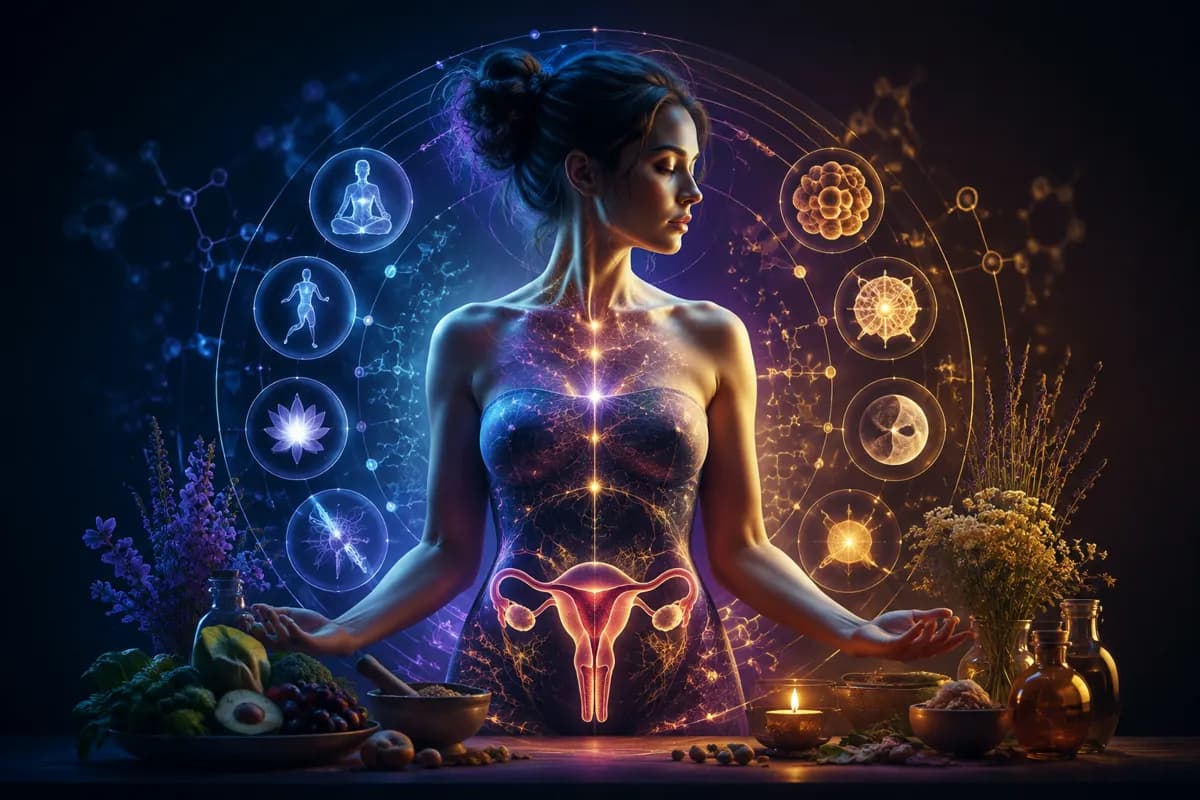
Women’s hormonal health has long been a topic shrouded in mystery and misunderstanding. Many women struggle with various hormonal issues throughout their lives, from PMS and PCOS to infertility and menopausal symptoms. Unfortunately, the conventional medical approach often relies heavily on medication and hormone replacement therapy, failing to address the root causes of these problems. However, recent advancements in functional medicine have shed light on the power of lifestyle changes in optimizing women’s hormonal health.
The Hormone Illiteracy Epidemic
One of the main challenges in addressing women’s hormonal health is the widespread lack of knowledge about hormones among women, doctors, and society as a whole. This “hormone illiteracy” has led to a poor understanding of how lifestyle factors can significantly impact hormonal balance. Women are often left in the dark about how their diet, stress levels, and daily habits affect their hormonal health, leading to unnecessary suffering and frustration.
The Evolutionary Mismatch
Modern women face an array of physical, emotional, and chemical stressors that can wreak havoc on their hormones. From processed foods and environmental toxins to chronic stress and sedentary lifestyles, these factors create an evolutionary mismatch between our bodies and our environment. As a result, many women experience hormonal imbalances that manifest as various symptoms and conditions.
A Five-Step Approach to Hormonal Balance
To address the root causes of hormonal imbalances, functional medicine practitioners have developed a comprehensive, five-step approach that focuses on lifestyle changes:
- Fasting
- Personalized nutrition
- Stress management
- Chemical detox
- Lifestyle changes
1. Fasting for Hormonal Health
Fasting has emerged as a powerful tool for optimizing hormonal health in women. By incorporating various fasting protocols, such as intermittent fasting and longer fasts (24-72 hours), women can help regulate their hormones, particularly estrogen, progesterone, and testosterone. Fasting can also promote cellular repair, reduce inflammation, and improve insulin sensitivity, all of which are crucial for maintaining hormonal balance.
2. Personalized Nutrition
One size does not fit all when it comes to nutrition and hormonal health. Women need to adopt a personalized approach to eating that takes into account their unique hormonal profile, life stage, and individual needs. This may involve cycling between higher and lower carb intake, increasing protein consumption, and focusing on nutrient-dense, whole foods that support hormonal balance.
3. Stress Management
Chronic stress is a major contributor to hormonal imbalances in women. When the body is in a constant state of stress, it prioritizes the production of stress hormones like cortisol, which can disrupt the delicate balance of sex hormones. By incorporating stress management techniques such as mindfulness, meditation, and deep breathing, women can help regulate their stress response and promote hormonal equilibrium.
4. Chemical Detox
Environmental toxins, such as endocrine-disrupting chemicals found in plastics, personal care products, and pesticides, can significantly impact women’s hormonal health. These toxins can mimic or block the actions of natural hormones, leading to imbalances and dysfunction. By adopting a chemical detox protocol, which may include using natural cleaning products, filtering water, and supporting the body’s detoxification pathways, women can reduce their toxic burden and promote hormonal health.
5. Lifestyle Changes
In addition to the above strategies, women can optimize their hormonal health by making simple lifestyle changes. This may include prioritizing sleep, engaging in regular physical activity, fostering social connections, and pursuing hobbies and interests that bring joy and fulfillment. By creating a lifestyle that supports overall well-being, women can create a solid foundation for hormonal balance.
The Power of Testing
To effectively address hormonal imbalances, it is essential to have a comprehensive understanding of a woman’s unique hormonal profile. While conventional blood tests can provide some insight, they often fail to capture the full picture. The Dutch test, a urine-based test, offers a more detailed analysis of a woman’s hormones, including estrogen metabolites, cortisol patterns, and methylation pathways. This information can help guide a personalized approach to hormonal optimization.
Lifestyle First, Medication Second
While medication and hormone replacement therapy can be helpful in certain cases, it is crucial to prioritize lifestyle changes as the first line of defense against hormonal imbalances. By addressing the root causes of these issues through diet, stress management, detoxification, and other lifestyle strategies, many women can find relief from their symptoms without relying solely on medication.
Moreover, when medication or hormone replacement therapy is necessary, it is still essential to address lifestyle factors to ensure optimal results and minimize potential side effects.
Empowering Women Through Education
One of the most important aspects of promoting women’s hormonal health is education. By empowering women with the knowledge and tools they need to understand their bodies and make informed decisions about their health, we can help break the cycle of hormone illiteracy and unnecessary suffering.
This education should extend beyond individual women and include healthcare providers, who must be trained to approach women’s health from a holistic, functional medicine perspective. By fostering a collaborative relationship between patients and providers, we can create a new paradigm in women’s health that prioritizes prevention, personalization, and empowerment.
A Call to Action
The time has come for a revolution in women’s hormonal health. By embracing a comprehensive, lifestyle-based approach to hormonal balance, we can help countless women reclaim their vitality, joy, and overall well-being. This requires a collective effort from women, healthcare providers, and society as a whole to prioritize education, empowerment, and a commitment to addressing the root causes of hormonal imbalances.
As we move forward, let us continue to explore the fascinating world of women’s hormonal health, share our knowledge and experiences, and support one another on this journey towards optimal health and balance. Together, we can create a future in which every woman has the tools and support she needs to thrive, both physically and emotionally.