 PRADEEP ALBERT
The Gut-Brain Connection: Unlocking the Power of Probiotics for Mental Health
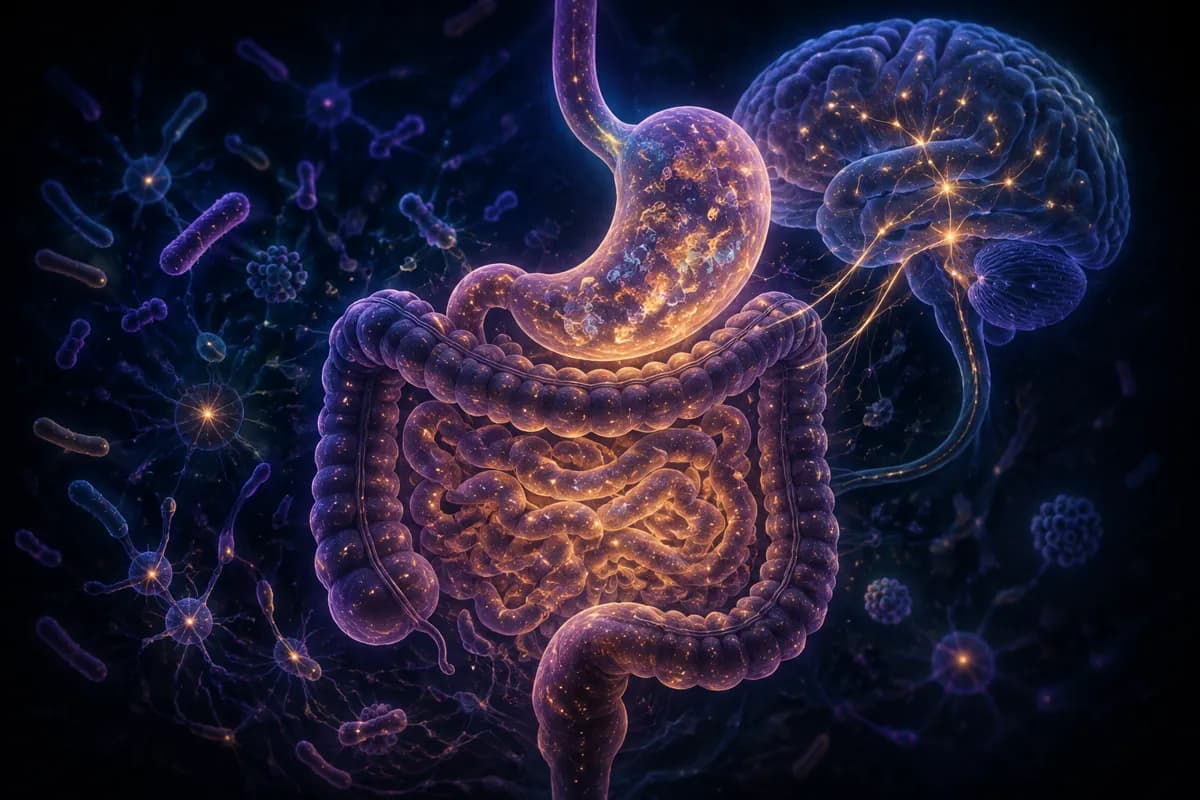
Introduction to Gut Health and the Microbiome
In recent years, the scientific community has made significant strides in understanding the intricate relationship between our gut and overall health. At the forefront of this research is the exploration of the gut-brain connection, a bidirectional communication system that links our digestive tract with our central nervous system. This connection has far-reaching implications for both physical and mental well-being, opening up new avenues for treating various health conditions.
The human gut is home to trillions of microorganisms, collectively known as the gut microbiome. This complex ecosystem plays a crucial role in numerous bodily functions, including digestion, immune response, and even neurotransmitter production. As our understanding of the microbiome grows, so does our appreciation for its impact on mental health and cognitive function.
The Gut-Brain Axis: A Two-Way Street
The gut-brain axis is a sophisticated communication network that allows for constant dialogue between our digestive system and our brain. This connection is facilitated through various pathways, including the vagus nerve, the endocrine system, and the immune system. The implications of this connection are profound, suggesting that the health of our gut can directly influence our mental state, and vice versa.
Recent research has shown that disruptions in the gut microbiome can contribute to a range of mental health issues, including anxiety, depression, and even neurodegenerative disorders. Conversely, psychological stress can alter the composition of our gut bacteria, potentially leading to digestive problems and other health complications.
The Rise of Psychobiotics
As our understanding of the gut-brain connection deepens, a new class of probiotics has emerged: psychobiotics. These are specific strains of beneficial bacteria that have been shown to have a positive impact on mental health when ingested in adequate amounts. Psychobiotics work by influencing the gut-brain axis, potentially alleviating symptoms of anxiety, depression, and stress.
One notable example of a psychobiotic strain is Bifidobacterium longum 1714. This particular strain has been the subject of extensive research, demonstrating promising results in reducing stress responses and improving cognitive function. Studies have shown that individuals with mood disorders often have lower levels of this beneficial bacteria in their gut, highlighting its potential importance in maintaining mental well-being.
The Mechanism of Action
Psychobiotics like B. longum 1714 work through various mechanisms to support mental health. One key process involves the production of peptidoglycans, which are molecules that can mediate inflammatory responses in the gut. By regulating inflammation, these bacteria may help reduce the production of stress hormones like cortisol, leading to improved mood and cognitive function.
Furthermore, psychobiotics have been shown to influence brainwave activity. Research has demonstrated that certain probiotic strains can decrease beta wave function (associated with stress) and increase theta wave function (associated with relaxation and creativity). This modulation of brain activity may contribute to the calming effects observed in individuals taking psychobiotic supplements.
Debunking Probiotic Myths
As the popularity of probiotics has grown, so too have misconceptions about their use and effectiveness. It’s crucial to dispel these myths to ensure that consumers can make informed decisions about their health.
Myth 1: All Probiotics Need Refrigeration
One common misconception is that all high-quality probiotics require refrigeration. In reality, the need for refrigeration depends on the specific strains and formulation of the probiotic. Many modern probiotic supplements are shelf-stable and do not require refrigeration to maintain their potency.
The key factor is not whether a probiotic is refrigerated in the store, but whether it can survive the journey through the digestive system to reach the intestines alive. Advanced formulations, particularly those using spore-based probiotics, are designed to withstand the harsh acidic environment of the stomach without the need for refrigeration.
Myth 2: Higher CFU Count Means Better Results
Another prevalent myth is that probiotics with higher Colony Forming Units (CFU) counts are inherently more effective. While CFU count is an important factor, it’s not the only determinant of a probiotic’s efficacy. The quality, strain diversity, and survivability of the probiotic are equally, if not more, important than sheer numbers.
Research has shown that certain probiotic strains can produce significant beneficial effects at relatively low CFU counts. The focus should be on choosing probiotics with scientifically-backed strains that have demonstrated positive outcomes in clinical studies, rather than simply opting for the highest CFU count available.
Myth 3: More Strains Equal Better Diversity
Many consumers believe that probiotic supplements containing a large number of different bacterial strains are superior in promoting gut diversity. However, this is not necessarily the case. The effectiveness of a probiotic is not determined by the number of strains it contains, but rather by the specific actions of those strains and how they interact with the existing gut microbiome.
In fact, combining too many strains in a single product can sometimes lead to competition between the bacteria, potentially reducing their overall effectiveness. Additionally, some strains may not be compatible with others, leading to unforeseen interactions or even the creation of new, unstudied bacterial combinations.
Choosing the Right Probiotic
With the abundance of probiotic supplements on the market, selecting the right one can be challenging. Here are some key factors to consider when choosing a probiotic:
1. Spore-Based Formulations
Spore-based probiotics offer several advantages over traditional formulations. These bacteria have a protective shell that allows them to survive the harsh conditions of the stomach and reach the intestines intact. Once in the gut, they shed their protective coating and begin to colonize, providing their beneficial effects.
This resilience makes spore-based probiotics particularly effective, as they’re more likely to reach their target destination in the gut alive and active. They also tend to have a longer shelf life and don’t require refrigeration, making them more convenient for consumers.
2. DNA Verification
When choosing a probiotic, it’s important to look for products that have undergone DNA verification. This process ensures that the strains listed on the label are actually present in the product and in the stated amounts. DNA verification adds an extra layer of quality control and transparency, giving consumers confidence in the product they’re purchasing.
3. Third-Party Testing
Reputable probiotic manufacturers often subject their products to third-party testing for survivability and potency. These independent tests verify that the probiotic strains can survive the journey through the digestive system and remain active when they reach the gut. Look for products that provide information about third-party testing on their labels or websites.
4. Scientific Backing
One of the most important factors to consider when choosing a probiotic is the scientific evidence supporting its efficacy. Look for products that contain strains that have been studied in clinical trials and shown to provide specific health benefits. Manufacturers should be able to provide references to published studies that support the claims made about their products.
The Impact of Probiotics on Mental Health
As research into the gut-brain connection continues to evolve, the potential for probiotics to influence mental health becomes increasingly clear. Several studies have demonstrated the positive effects of specific probiotic strains on various aspects of mental well-being.
Anxiety and Stress Reduction
Certain probiotic strains have shown promise in reducing symptoms of anxiety and helping individuals manage stress more effectively. For example, the Bifidobacterium longum 1714 strain has been found to modulate stress responses and reduce cortisol levels in human studies. This effect may be due to the strain’s ability to influence the gut-brain axis and regulate inflammatory responses in the body.
Depression Management
While probiotics should not be considered a replacement for traditional treatments for depression, some strains have shown potential in alleviating depressive symptoms. Research has found that individuals with depression often have altered gut microbiomes compared to healthy controls. Supplementation with specific probiotic strains may help restore balance to the gut ecosystem, potentially contributing to improved mood and emotional well-being.
Cognitive Function
Emerging research suggests that certain probiotics may have a positive impact on cognitive function. Studies have shown improvements in areas such as memory, attention, and information processing in individuals taking specific probiotic supplements. While more research is needed to fully understand the mechanisms at play, these findings highlight the potential for probiotics to support brain health and cognitive performance.
Beyond Probiotics: Holistic Approaches to Gut and Mental Health
While probiotics play a crucial role in supporting gut and mental health, it’s important to recognize that they are just one piece of the puzzle. A holistic approach to well-being involves considering various lifestyle factors that can influence both gut and mental health.
Diet and Nutrition
The foods we eat have a significant impact on our gut microbiome and, by extension, our mental health. A diet rich in diverse plant-based foods, fermented foods, and prebiotics (fibers that feed beneficial gut bacteria) can help support a healthy gut ecosystem. Conversely, diets high in processed foods, sugar, and unhealthy fats may contribute to gut dysbiosis and inflammation, potentially negatively impacting mental health.
Stress Management
Chronic stress can have a detrimental effect on both gut and mental health. Implementing stress-reduction techniques such as meditation, deep breathing exercises, or yoga can help mitigate the negative impacts of stress on the gut-brain axis. Regular practice of these techniques may help maintain a healthy balance in the gut microbiome and support overall mental well-being.
Physical Activity
Exercise has been shown to have numerous benefits for both gut and mental health. Regular physical activity can help increase the diversity of gut bacteria, reduce inflammation, and promote the production of beneficial short-chain fatty acids in the gut. Additionally, exercise is known to have mood-boosting effects and can help alleviate symptoms of anxiety and depression.
Sleep Hygiene
Quality sleep is essential for maintaining both gut and mental health. Poor sleep has been linked to alterations in the gut microbiome and increased risk of mental health issues. Establishing good sleep hygiene practices, such as maintaining a consistent sleep schedule and creating a relaxing bedtime routine, can help support overall health and well-being.
The Role of Vitamin D in Gut and Mental Health
While much attention has been given to probiotics in recent years, it’s important not to overlook the role of other nutrients in supporting gut and mental health. Vitamin D, in particular, has emerged as a crucial player in this arena.
Vitamin D is often referred to as the “sunshine vitamin” because our bodies can produce it when our skin is exposed to sunlight. However, many people, particularly those living in northern latitudes or spending most of their time indoors, may be deficient in this essential nutrient.
Vitamin D and Gut Health
Research has shown that vitamin D plays a significant role in maintaining a healthy gut microbiome. The vitamin D receptor is expressed in various cells throughout the digestive tract, suggesting its importance in gut function. Studies have found that vitamin D deficiency is associated with alterations in the gut microbiome and increased intestinal permeability, often referred to as “leaky gut.”
Adequate vitamin D levels may help maintain the integrity of the intestinal barrier, reduce inflammation in the gut, and support the growth of beneficial bacteria. These effects can contribute to overall gut health and may indirectly influence mental well-being through the gut-brain axis.
Vitamin D and Mental Health
The connection between vitamin D and mental health has been the subject of numerous studies in recent years. Low levels of vitamin D have been associated with an increased risk of depression, anxiety, and other mood disorders. The brain has abundant vitamin D receptors, suggesting that this nutrient plays a crucial role in brain function and mental health.
Vitamin D is involved in the synthesis of neurotransmitters like serotonin and dopamine, which are key regulators of mood. Additionally, it has anti-inflammatory properties that may help protect against neuroinflammation, a factor implicated in various mental health disorders.
Supplementation and Testing
Given the importance of vitamin D for both gut and mental health, it’s crucial to maintain adequate levels of this nutrient. While sunlight exposure is the most natural way to obtain vitamin D, many people may benefit from supplementation, especially during winter months or if they have limited sun exposure.
It’s recommended to have vitamin D levels checked through a blood test. Many health professionals suggest maintaining levels between 60-100 ng/mL for optimal health benefits. However, it’s important to consult with a healthcare provider before starting any supplementation regimen, as individual needs may vary.
The Future of Gut-Brain Research
As our understanding of the gut-brain connection continues to grow, so too does the potential for new therapeutic approaches to mental health. Researchers are exploring various avenues for harnessing the power of the gut microbiome to support mental well-being and cognitive function.
Personalized Probiotic Therapies
One exciting area of research is the development of personalized probiotic therapies. As we learn more about individual variations in gut microbiome composition and their relationship to mental health, it may become possible to tailor probiotic interventions to an individual’s specific needs. This personalized approach could potentially lead to more effective treatments for a range of mental health conditions.
Microbiome-Based Diagnostics
Another promising area of research involves using gut microbiome analysis as a diagnostic tool for mental health conditions. By identifying specific patterns or imbalances in the gut microbiome, it may be possible to detect early signs of mental health issues or predict an individual’s risk of developing certain conditions. This could lead to earlier interventions and more targeted treatment approaches.
Psychobiotics as Adjunct Therapies
As research into psychobiotics continues to advance, these specialized probiotics may increasingly be used as adjunct therapies alongside traditional treatments for mental health conditions. By addressing the gut component of mental health, psychobiotics could potentially enhance the effectiveness of existing therapies and improve outcomes for patients.
Integrating Gut Health into Mental Health Care
As the evidence for the gut-brain connection continues to mount, there is a growing need to integrate gut health considerations into mental health care. This holistic approach recognizes the interconnectedness of various bodily systems and seeks to address the root causes of mental health issues, rather than simply treating symptoms.
Education and Awareness
One crucial step in integrating gut health into mental health care is increasing education and awareness among both healthcare providers and patients. By understanding the importance of the gut-brain connection, individuals can make more informed decisions about their health and well-being.
Collaborative Care Models
The complex nature of the gut-brain connection calls for collaborative care models that bring together experts from various fields, including mental health professionals, gastroenterologists, nutritionists, and functional medicine practitioners. This interdisciplinary approach can provide more comprehensive care and lead to better outcomes for patients.
Lifestyle-Based Interventions
Incorporating lifestyle-based interventions that support both gut and mental health into treatment plans can be highly beneficial. This may include dietary recommendations, stress management techniques, exercise programs, and sleep hygiene practices, all of which can positively influence the gut-brain axis.
Embracing a Holistic Approach to Well-being
As we continue to unravel the complexities of the gut-brain connection, it becomes increasingly clear that a holistic approach to health is essential. By recognizing the interconnectedness of our bodily systems and the profound impact of lifestyle factors on our well-being, we can take proactive steps to support both our gut and mental health.
From choosing the right probiotics and ensuring adequate vitamin D levels to managing stress and prioritizing sleep, there are numerous ways we can nurture the delicate balance of our gut microbiome and, by extension, support our mental health. As research in this field progresses, we can look forward to even more targeted and effective approaches to promoting overall well-being through the powerful gut-brain connection.
In embracing this holistic perspective, we open ourselves up to a new paradigm of health care – one that recognizes the intricate dance between our mind, body,and environment. This integrated approach not only holds the potential for more effective treatments for mental health conditions but also empowers individuals to take an active role in their own well-being.
The Role of Mindfulness and Emotional Well-being
While much of our discussion has focused on the biological aspects of the gut-brain connection, it’s important not to overlook the psychological and emotional components of this relationship. Mindfulness practices and emotional well-being play a crucial role in maintaining both gut and mental health.
Mindfulness and Stress Reduction
Mindfulness practices, such as meditation and deep breathing exercises, have been shown to have a positive impact on both gut and mental health. These techniques can help reduce stress, which is known to negatively affect the gut microbiome and contribute to various mental health issues.
Regular mindfulness practice can lead to decreased inflammation in the body, improved gut motility, and better overall digestive function. Additionally, mindfulness can help individuals develop a greater awareness of their body’s signals, allowing for better management of stress and anxiety.
Emotional Intelligence and Gut Health
Developing emotional intelligence – the ability to recognize, understand, and manage one’s own emotions and those of others – can also play a role in supporting gut health. Negative emotions and chronic stress can disrupt the delicate balance of the gut microbiome, while positive emotions and effective emotional regulation can contribute to a healthier gut environment.
Learning to navigate emotions effectively can help reduce the impact of stress on the gut, potentially leading to improved digestion, reduced inflammation, and better overall health outcomes.
The Importance of Social Connections
Another often overlooked aspect of both gut and mental health is the role of social connections. Human beings are inherently social creatures, and our relationships with others can have a profound impact on our overall well-being.
Social Support and Stress Reduction
Strong social connections can serve as a buffer against stress, which, as we’ve discussed, can negatively impact both gut and mental health. Having a supportive network of friends and family can provide emotional support during difficult times, potentially reducing the physiological stress response and its effects on the gut microbiome.
Social Interactions and Microbial Diversity
Interestingly, research has shown that social interactions can actually influence the diversity of our gut microbiome. Studies have found that individuals with larger social networks tend to have more diverse gut bacteria, which is generally associated with better health outcomes.
This connection between social interactions and microbial diversity highlights the complex interplay between our external environment, our behavior, and our internal biological systems.
The Power of Forgiveness and Compassion
While it may seem unrelated at first glance, practicing forgiveness and compassion can have tangible benefits for both gut and mental health. These emotional practices can help reduce stress, lower inflammation, and promote overall well-being.
Forgiveness and Stress Reduction
Holding onto grudges and resentment can create chronic stress in the body, which, as we’ve discussed, can negatively impact the gut microbiome and contribute to mental health issues. Practicing forgiveness, both towards others and oneself, can help release this stress and promote a more balanced emotional state.
Compassion and Inflammation
Cultivating compassion, both for oneself and others, has been shown to have anti-inflammatory effects in the body. Given the strong connection between inflammation, gut health, and mental well-being, practicing compassion could potentially contribute to a healthier gut environment and improved mental health outcomes.
The Importance of Regular Health Check-ups
As we’ve explored the complex interplay between gut health, mental well-being, and various lifestyle factors, it becomes clear that regular health check-ups are crucial for maintaining optimal health. These check-ups can help identify potential issues early on and allow for timely interventions.
Comprehensive Health Assessments
When scheduling health check-ups, it’s important to consider a comprehensive approach that takes into account both physical and mental health. This may include:
- Regular blood tests to check for nutrient deficiencies, including vitamin D levels
- Gut health assessments, which may include stool tests to analyze the composition of the gut microbiome
- Mental health screenings to identify any potential mood disorders or cognitive issues
- Lifestyle assessments to evaluate diet, exercise habits, sleep patterns, and stress levels
Working with Healthcare Professionals
Given the complex nature of the gut-brain connection, it can be beneficial to work with a team of healthcare professionals who can provide a holistic approach to health. This may include:
- Primary care physicians
- Gastroenterologists
- Mental health professionals
- Nutritionists or dietitians
- Functional medicine practitioners
By collaborating with a diverse team of experts, individuals can receive comprehensive care that addresses all aspects of their health and well-being.
Embracing a Lifelong Journey of Health
As we conclude our exploration of the gut-brain connection and its implications for overall health, it’s important to recognize that maintaining optimal well-being is a lifelong journey. Our understanding of the complex relationships between our gut, our brain, and our overall health continues to evolve, and with it, our approaches to wellness must also adapt.
By embracing a holistic approach that considers the interconnectedness of our bodily systems, the power of lifestyle choices, and the importance of emotional and social well-being, we can work towards achieving and maintaining optimal health. Whether it’s through choosing the right probiotics, ensuring adequate vitamin D levels, practicing mindfulness, or fostering strong social connections, each step we take contributes to the intricate balance of our gut-brain axis and our overall well-being.
As we move forward, let us approach our health with curiosity, compassion, and a commitment to continuous learning. By staying informed about the latest research and being open to new approaches, we can navigate the complex landscape of health and wellness with confidence, always striving for a state of balance and vitality in both body and mind.