 PRADEEP ALBERT
Unveiling the Gut-Brain Connection: How Gut Health Shapes Mental Well-Being
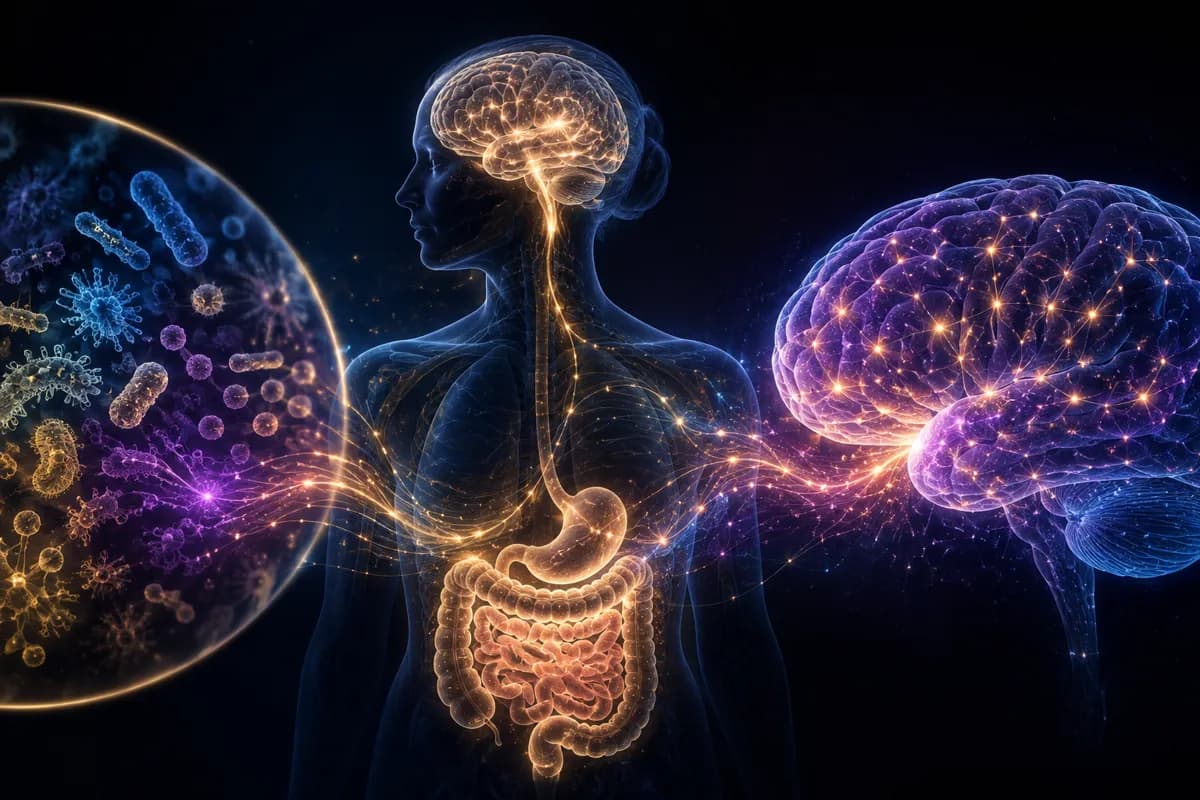
The human body is a complex system where every part is interconnected. One of the most fascinating connections is between the gut and the brain. Emerging research has shed light on the powerful influence that gut health has on mental well-being. This article will explore the gut-brain axis, how gut dysbiosis and infections can impact mood, and natural strategies to support both gut and mental health.
The Gut-Brain Axis
The gut-brain axis is a bidirectional communication pathway between the gastrointestinal tract and the central nervous system. This means that not only does the brain influence gut function, but the gut also sends signals to the brain that can impact mood, cognition, and behavior.
The gut is often referred to as the “second brain” because it contains a complex network of neurons known as the enteric nervous system. In fact, the gut produces many of the same neurotransmitters as the brain, including serotonin and dopamine, which play a crucial role in regulating mood.
Gut Dysbiosis and Mental Health
Gut dysbiosis refers to an imbalance in the microorganisms that inhabit the gastrointestinal tract. This can occur due to factors such as poor diet, stress, antibiotics, and infections. When the delicate balance of gut bacteria is disrupted, it can have far-reaching effects on both physical and mental health.
Research has linked gut dysbiosis to various mental health conditions, including:
- Depression
- Anxiety
- Stress
- Mood disorders
One way gut dysbiosis may influence mental health is through inflammation. An imbalanced gut microbiome can lead to increased intestinal permeability, allowing toxins and inflammatory compounds to enter the bloodstream. This systemic inflammation can then impact the brain and contribute to mood imbalances.
Gut Infections and Mental Health
In addition to gut dysbiosis, specific gut infections have also been implicated in mental health disorders. Some common gut infections that may affect mental well-being include:
- H. pylori: A bacterial infection that can cause stomach ulcers and has been linked to anxiety and depression.
- Candida overgrowth: A fungal infection that can contribute to brain fog, fatigue, and mood swings.
- Parasitic infections: Parasites in the gut can cause inflammation and have been associated with mental health issues.
Addressing underlying gut infections is crucial for both digestive and mental health. Working with a healthcare practitioner to identify and treat specific infections can be an important step in improving overall well-being.
Natural Strategies to Support Gut and Mental Health
There are several natural approaches that can help support gut health and, in turn, promote mental well-being. These strategies include:
1. Probiotic-Rich Foods and Supplements
Probiotics are beneficial bacteria that help maintain a healthy gut microbiome. Incorporating probiotic-rich foods such as yogurt, kefir, sauerkraut, and kimchi into the diet can help promote a balanced gut environment. Probiotic supplements may also be beneficial for those with specific gut health concerns.
2. Prebiotic Fiber
Prebiotics are a type of dietary fiber that serves as food for beneficial gut bacteria. Consuming prebiotic-rich foods like garlic, onions, leeks, asparagus, and bananas can help nourish a healthy gut microbiome.
3. Stress Management
Chronic stress can have a negative impact on both gut and mental health. Engaging in stress-reducing practices such as meditation, deep breathing, yoga, or spending time in nature can help promote relaxation and support overall well-being.
4. Antimicrobial Supplements
Certain natural supplements have antimicrobial properties that can help address gut dysbiosis and infections. Some examples include:
- Manuka honey: Has antibacterial effects and may help eradicate H. pylori.
- Oregano oil: Possesses antiviral, antifungal, and antibacterial properties.
- Garlic (allicin): Has been shown to help eliminate H. pylori and other harmful bacteria.
- Cat’s claw: Has antimicrobial and anti-inflammatory effects.
It’s important to work with a qualified healthcare practitioner when using antimicrobial supplements to ensure proper dosage and suitability for individual needs.
The Power of Mind-Body Practices
In addition to dietary and supplement strategies, mind-body practices can be powerful tools for supporting both gut and mental health. Somatic practices, which involve gentle movements and body awareness, can help stimulate the vagus nerve, promote relaxation, and release stored stress and trauma.
One simple somatic practice is arm swinging. This involves standing with feet shoulder-width apart and gently swinging the arms back and forth across the body. This movement helps cross the midline, which can promote brain integration and stress reduction. It also stimulates the vagus nerve, which plays a key role in the gut-brain connection.
Other mind-body practices that can support gut and mental health include:
- Deep breathing exercises
- Mindfulness meditation
- Yoga
- Tai chi
- Qigong
Incorporating these practices into a regular self-care routine can help promote a sense of calm, reduce stress, and support overall well-being.
The Importance of Testing and Personalized Approaches
When it comes to gut health and mental well-being, a one-size-fits-all approach rarely works. Each individual’s gut microbiome and health status is unique, and what works for one person may not work for another.
This is where testing and personalized approaches come into play. Comprehensive gut health tests, such as stool tests and breath tests, can help identify specific imbalances, infections, and areas of concern. This information can then be used to tailor treatment plans and dietary strategies to individual needs.
Working with a functional medicine practitioner or integrative healthcare provider can be beneficial in navigating the complex world of gut health and mental well-being. These practitioners often take a holistic approach, considering the interconnectedness of various body systems and developing personalized plans to support overall health.
Being Your Own Health Advocate
One of the most important aspects of supporting gut and mental health is being your own health advocate. This means taking an active role in your health journey, educating yourself about your body, and communicating openly with healthcare providers.
It’s important to remember that healing is not always a linear process. There may be ups and downs, and progress may not always be immediately visible. However, by staying committed to nourishing your body and mind, seeking support when needed, and trusting in the healing process, you can work towards optimal gut and mental well-being.
The Road Ahead: Personalizing Your Gut-Brain Health Journey
The connection between gut health and mental well-being is a powerful one. By understanding the gut-brain axis, addressing gut dysbiosis and infections, and incorporating natural strategies to support gut and mental health, we can take proactive steps towards optimal well-being.
Remember, healing is a journey, and every individual’s path is unique. By being your own health advocate, working with qualified practitioners, and embracing a holistic approach, you can support your gut and mental health in a way that is tailored to your specific needs.
As we continue to learn more about the fascinating world of the gut-brain connection, one thing remains clear: nurturing our gut health is an essential piece of the puzzle in supporting mental well-being and overall vitality.