 PRADEEP ALBERT
The Hidden Health Secrets of Bats: What Their Biology Reveals About Human Longevity and Immunity
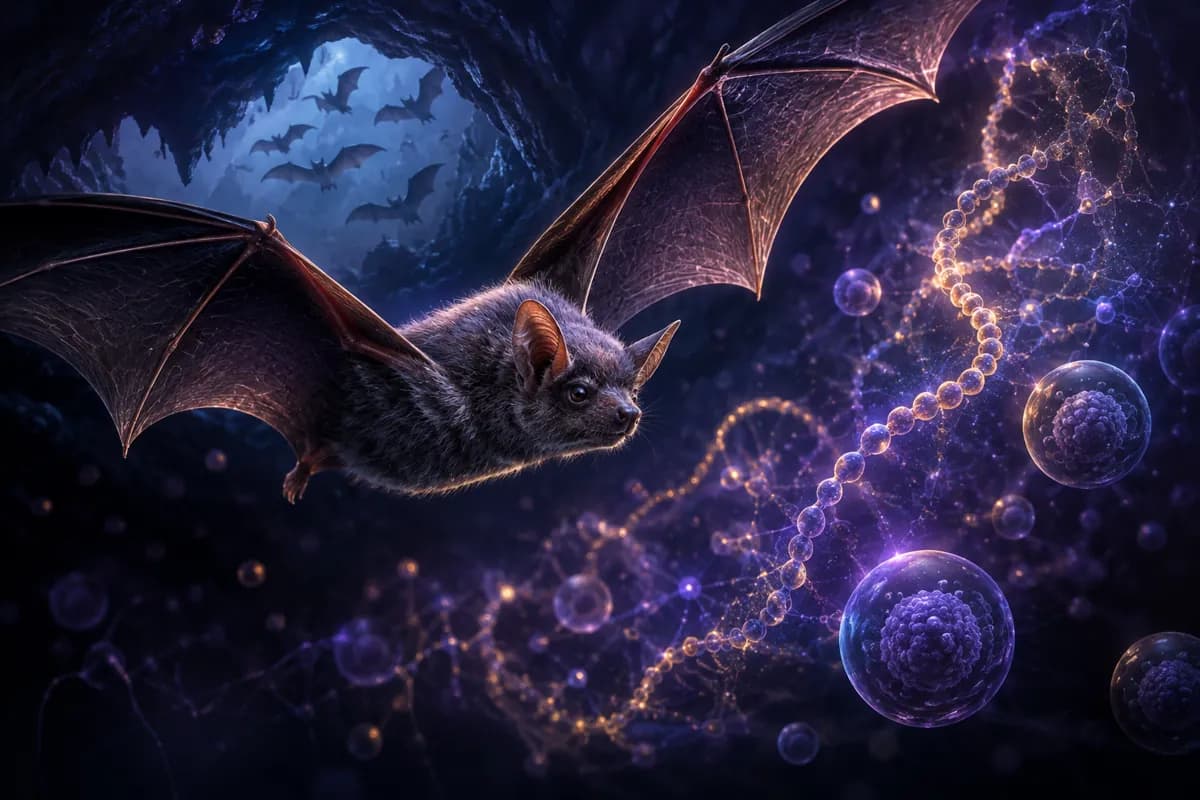
The Remarkable Biology of Bats: Insights into Longevity, Immunity, and Evolution
In the vast landscape of mammalian diversity, bats stand as extraordinary creatures that have captivated scientific interest for decades. Representing approximately one-fifth of all mammal species, these remarkable creatures offer invaluable insights into longevity, disease resistance, and evolutionary adaptation that could revolutionize our understanding of human health and aging.
Understanding Bat Diversity and Distribution
Bats have achieved remarkable evolutionary success, adapting to diverse environments across the globe. Their impressive diversity spans more than 1,400 species, each with unique characteristics and adaptations. This extraordinary variety makes them an invaluable subject for comparative biological studies.
From the tiny bumblebee bat weighing mere grams to the large flying foxes with wingspans exceeding five feet, bats exhibit remarkable variation in size and form. Their dietary preferences range from fruit and nectar to insects and, in some cases, blood, demonstrating their adaptive capacity to fill various ecological niches.
The Longevity Paradox
One of the most intriguing aspects of bat biology is their exceptional longevity. In general, smaller mammals tend to have shorter lifespans than larger ones, following a well-established pattern in biology. However, bats dramatically defy this trend, living up to 10 times longer than other mammals of comparable size.
The longevity quotient (LQ) of bats, which measures their actual lifespan against their predicted lifespan based on body size, reveals remarkable results. Some bat species demonstrate LQs significantly higher than expected, suggesting the presence of unique biological mechanisms that promote extended lifespans.
Genetic Foundations of Bat Longevity
Despite having smaller genomes compared to humans, bats share many genetic similarities with our species. These similarities extend to genes involved in aging, immunity, and cellular repair mechanisms. The compact nature of bat genomes suggests evolutionary optimization rather than limitation.
Research has identified several genetic adaptations in bats that may contribute to their longevity. These include enhanced DNA repair mechanisms, modified insulin-signaling pathways, and unique cellular stress responses that help maintain genomic stability over their extended lifespans.
Flight Adaptation and Metabolic Innovation
The evolution of powered flight in bats has led to numerous physiological adaptations that may inadvertently contribute to their longevity. The high metabolic demands of flight have resulted in efficient energy utilization systems and enhanced cellular repair mechanisms.
During flight, bats experience significant metabolic stress, producing high levels of reactive oxygen species (ROS). To counter these potentially damaging molecules, bats have developed superior antioxidant defenses that may also contribute to their extended lifespans.
Immune System Excellence
Perhaps one of the most fascinating aspects of bat biology is their remarkable immune system. Bats can harbor numerous viruses without developing illness, suggesting highly effective immune responses that differ from those of other mammals.
The bat immune system appears to maintain a delicate balance between tolerance and resistance, allowing them to coexist with pathogens that would be devastating to other species. This unique immune configuration may have evolved as a consequence of the metabolic demands of flight.
Disease Resistance and Viral Tolerance
Bats’ ability to carry various viruses without showing symptoms has significant implications for understanding disease resistance. Their immune systems appear to regulate inflammatory responses differently from other mammals, preventing the excessive inflammation that often causes severe illness in humans.
This viral tolerance has made bats important reservoirs for numerous viruses, including some that can affect humans. Understanding how bats achieve this balance could provide crucial insights for human medicine and disease prevention.
Research Methodologies and Challenges
Studying bats presents unique challenges and requires specialized approaches. Field research often involves complex tracking systems and careful handling protocols to protect both researchers and the animals. Laboratory studies must account for bats’ unique physiological requirements and behaviors.
Modern research techniques, including genetic sequencing, cellular studies, and advanced tracking technologies, have revolutionized our understanding of bat biology. These methods continue to reveal new insights into their extraordinary biological capabilities.
Conservation and Ecological Significance
Bats play crucial roles in ecosystem maintenance through pollination, seed dispersal, and insect control. Their conservation is vital not only for maintaining biodiversity but also for protecting human health by maintaining natural disease barriers and ecological balance.
Understanding bat biology has become increasingly important in the context of emerging infectious diseases. Their unique immune systems and disease tolerance mechanisms offer valuable lessons for human health and disease prevention strategies.
Implications for Human Health
The study of bat biology holds tremendous potential for advancing human health sciences. Their longevity mechanisms could inform anti-aging research, while their immune system adaptations might guide new approaches to disease treatment and prevention.
Future research directions may focus on translating bat biological innovations into human therapeutic applications, particularly in areas of aging, immune function, and metabolic efficiency.
Conclusion and Future Perspectives
The extraordinary biological features of bats continue to yield valuable insights into longevity, immunity, and evolution. As research techniques advance and our understanding deepens, these remarkable creatures may hold keys to significant breakthroughs in human health and medicine.
Continued study of bat biology promises to reveal new mechanisms and pathways that could revolutionize our approach to aging, disease resistance, and metabolic health. The lessons learned from these extraordinary mammals may well shape the future of human medicine and health sciences.