 PRADEEP ALBERT
The Three Hidden Forces That Control Your Aging Process
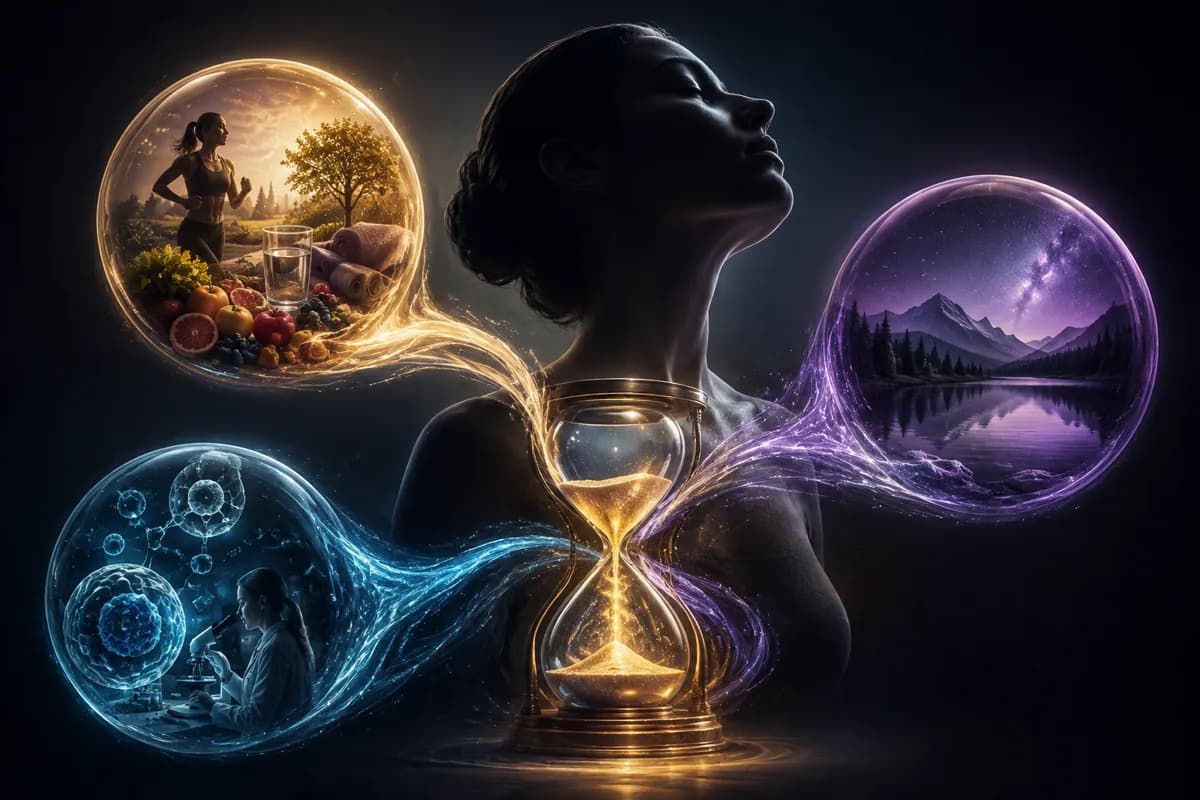
When patients first visit my clinic, they often arrive with a deeply ingrained belief: that their genes are their destiny. Some come bearing genetic test results like predetermined verdicts, while others share family histories that feel like inevitable prophecies. But after two decades of practicing regenerative medicine and treating thousands of patients, I’ve discovered something remarkable: your genes are only the beginning of your story, not its conclusion.
Through extensive research and clinical experience, I’ve discovered that understanding your genetic blueprint isn’t about accepting limitations – it’s about unlocking possibilities. Each person’s genetic code contains hidden potentials waiting to be activated and vulnerabilities that can be protected against. This insight has transformed how we approach longevity medicine, shifting from a fatalistic view of genetic destiny to an empowering journey of genetic optimization.
Moving Beyond the Genetic Narrative
In my practice, I’ve observed how patients with similar genetic profiles can age very differently based on lifestyle choices and environmental factors. This isn’t coincidence—it’s biology at work. Three key mechanisms beyond genetics dramatically influence your aging trajectory: epigenetic modifications, microbiome composition, and environmental interactions. Understanding these forces has revolutionized our approach to longevity medicine and opened new possibilities for extending healthspan.
The Epigenetic Control Center
Think of your genes as a sophisticated sound mixing board. While the basic structure remains unchanged, various factors can adjust the “volume” of specific genes up or down. In my clinical work, I’ve seen how targeted lifestyle interventions can significantly influence these epigenetic controls, leading to measurable improvements in biological aging markers.
One particularly fascinating aspect of epigenetics is its responsiveness to lifestyle modifications. I’ve worked with patients who, through specific dietary changes and targeted exercise protocols, have dramatically altered their gene expression patterns. For instance, we’ve observed how intermittent fasting can activate longevity-associated genes, while certain types of high-intensity exercise can enhance the expression of genes related to cellular repair and regeneration.
The implications of these findings are profound. Through careful monitoring and intervention, we can actually influence how our genes behave, potentially activating protective mechanisms and deactivating harmful ones. This understanding has led us to develop precise protocols that target specific epigenetic modifications for optimal aging outcomes.
Your Internal Ecosystem: The Microbiome Factor
The gut microbiome represents one of the most exciting frontiers in longevity medicine. Through advanced testing and treatment protocols at our center, we’ve documented how optimizing the microbiome can influence everything from immune function to cognitive performance. Recent research indicates that a healthy microbiome might be as crucial for longevity as traditional factors like diet and exercise.
What’s particularly intriguing is how the microbiome acts as a central communication hub between various body systems. Through our clinical observations, we’ve seen how modifications to the gut microbiome can lead to improvements in seemingly unrelated areas of health. For example, we’ve documented cases where optimizing gut health led to improved sleep quality, enhanced cognitive function, and even better skin health.
The microbiome’s influence extends to our body’s aging processes in ways we’re only beginning to understand. Our research has shown that certain bacterial populations can either accelerate or slow down various aspects of aging. This has led us to develop sophisticated protocols for microbiome optimization that go far beyond simple probiotic supplementation.
Environmental Mastery: The Often Overlooked Key
Environmental factors extend far beyond obvious pollutants. In treating thousands of patients, I’ve discovered that our environment shapes our biology in profound and often surprising ways. Modern lighting patterns significantly impact our cellular rhythms, while indoor air quality directly affects our cellular health. Perhaps most fascinating is how our social connections and community relationships create biological changes that influence aging. Even the quality of our sleep environment plays a crucial role in our body’s regenerative processes.
Through years of clinical observation, we’ve identified specific environmental factors that have the most significant impact on biological aging. The quality of our indoor air, for instance, can affect cellular function at a fundamental level. We’ve seen remarkable improvements in patients’ health markers simply by optimizing their home and work environments. This includes not just air quality, but also light exposure, electromagnetic field management, and even the social dynamics of their living spaces.
Clinical Insights: What Really Works
Based on extensive clinical experience and research, I’ve developed a comprehensive approach to optimizing these three key areas. For epigenetic optimization, we focus on precisely targeted nutrition protocols that influence gene expression, combined with specific exercise patterns that activate longevity pathways. Stress management techniques play a crucial role in protecting cellular health and maintaining optimal gene expression patterns.
When it comes to the microbiome, our approach goes beyond basic probiotics. We’ve developed sophisticated strategies for enhancing microbial diversity through carefully selected dietary interventions and targeted therapeutic approaches. Each patient’s microbiome is unique, requiring a personalized approach to optimization. Through advanced testing and monitoring, we can track how different interventions affect the microbiome’s composition and function.
Environmental optimization involves creating a comprehensive lifestyle design that supports cellular health. This includes implementing advanced air filtration systems, optimizing light exposure patterns to support healthy circadian rhythms, and developing strategies to enhance social connections that contribute to biological wellness. We’ve found that even small changes in environmental factors can lead to significant improvements in biological aging markers.
The Path Forward: Integrating the Latest Research
As we continue to advance our understanding of these biological influences, new possibilities for intervention emerge. At our center, we’re actively incorporating the latest research findings into treatment protocols, consistently seeing promising results in biological age markers and overall health outcomes. The science of longevity is evolving rapidly, and our approach evolves with it, always grounded in evidence-based practices and clinical experience.
One of the most exciting developments in recent years has been our ability to measure and track these interventions’ effectiveness with unprecedented precision. Through advanced biomarkers and sophisticated testing protocols, we can now quantify the impact of various interventions on biological aging processes.
Taking Action: Your Next Steps
Understanding these hidden influences is just the beginning. The real impact comes from implementing evidence-based strategies to optimize them. Through years of clinical practice, I’ve seen how small, targeted changes in these areas can lead to significant improvements in biological aging markers and overall vitality.
For those interested in diving deeper into these concepts and learning practical implementation strategies, I explore these topics extensively in my new book, “Lifespan Decoded: How to Hack Your Biology for a Longer, Healthier Life.” In it, I provide a comprehensive framework for understanding and optimizing these crucial biological influences, drawing from both cutting-edge research and decades of clinical experience.
Dr. Pradeep Albert is a pioneer in regenerative medicine and founder of Longerton University. With over two decades of experience and more than 40,000 regenerative procedures performed, he continues to advance the field of longevity medicine through research, education, and clinical practice.