 PRADEEP ALBERT
The Hidden Symphony of Health: How Your Immune System and Body Clock Work Together
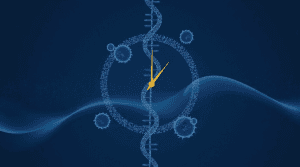
Think of your body as an exquisitely orchestrated symphony, where every system plays its part in perfect harmony. Through my decades of research and clinical practice, I’ve discovered that two key musicians in this biological orchestra stand out for their profound impact on longevity: the immune system and our circadian rhythms. The way these two systems work together—or fall out of sync—can make the difference between merely surviving and truly thriving as we age. In my extensive work with patients worldwide, I’ve seen how understanding and optimizing this delicate interplay can unlock extraordinary potential for extending not just our lifespan, but more crucially, our healthspan—the period of life we remain healthy, active, and vibrant.
This insight, drawn from treating thousands of patients and conducting cutting-edge research in longevity medicine, represents one of the most powerful leverage points we have for improving human health. When we get this synchronization right, everything from our cellular repair mechanisms to our body’s natural defense systems operates at peak efficiency. When it’s wrong, we see accelerated aging and increased vulnerability to disease. Understanding this relationship has revolutionized how we approach health optimization in our practice, leading to breakthrough insights that consistently help our patients achieve remarkable improvements in their overall health and vitality.
The Immune-Circadian Connection
What many people don’t realize is that our immune system follows a precise daily schedule orchestrated by our internal body clock. Through treating thousands of patients, I’ve seen firsthand how disrupting this delicate timing can impact everything from recovery times to overall longevity potential. For instance, our immune cells show different levels of activity throughout the day, with certain types of immune responses being stronger during daylight hours and others becoming more active at night.
In our clinical research, we’ve documented how this timing affects various aspects of immune function. Natural killer cells, crucial for fighting viruses and cancer cells, show peak activity in the early morning hours. Meanwhile, inflammatory responses tend to be strongest in the evening. Understanding these patterns has allowed us to develop more effective treatment protocols that work with, rather than against, the body’s natural rhythms.
Heart Rate Variability: Your Body’s Health Metronome
One of the most reliable indicators of this immune-circadian harmony is Heart Rate Variability (HRV). In our clinical practice, we’ve found that HRV serves as a remarkable window into both immune function and circadian health. Higher HRV generally indicates better adaptability and resilience—key markers of longevity. Through careful monitoring, we can actually see how lifestyle changes impact this delicate balance in real-time.
What’s particularly fascinating is how HRV can predict immune responses before traditional symptoms appear. We’ve observed that drops in HRV often precede the onset of illness by 24-48 hours, allowing for early intervention. This connection between heart rhythm variability and immune function represents one of the most promising areas for preventive health monitoring.
Timing Matters: The Science of Immune Function
Recent research has revealed that the timing of immune responses isn’t random. Our immune system’s daily rhythms affect everything from vaccine effectiveness to how well we fight off infections. I’ve observed in my practice that patients who align their lifestyles with these natural rhythms often show improved immune responses and better overall health outcomes.
For example, we’ve found that vaccination timing can significantly influence antibody production. Morning vaccinations often produce stronger immune responses compared to afternoon appointments, particularly in older adults. This finding has important implications for both preventive care and treatment protocols.
Practical Applications in Modern Life
The challenge in our modern world is maintaining these natural rhythms while navigating contemporary lifestyles. Through years of clinical experience, we’ve developed specific strategies to help patients optimize their immune-circadian alignment:
- Strategic Light Exposure: Proper timing of light exposure, especially in the morning, can help reset your immune system’s daily clock. We recommend 15-30 minutes of natural morning light exposure, ideally within the first hour of waking. This practice helps regulate cortisol rhythms, which in turn influences immune cell activity patterns.
- Timed Physical Activity: We’ve found that exercising at specific times can enhance immune function while supporting healthy circadian rhythms. Morning exercise, particularly between 7-11 AM, appears to provide the strongest immune-boosting benefits, though consistency in timing matters more than the specific hour.
- Nutrition Timing: When you eat can be just as important as what you eat when it comes to supporting immune function and maintaining circadian health. Our research suggests that maintaining a consistent eating window of 8-10 hours can significantly improve immune markers and metabolic health.
- Sleep Optimization: Quality sleep serves as the foundation for both immune function and circadian rhythm regulation. We’ve developed specific protocols for sleep timing and environment optimization that have shown remarkable results in improving immune function.
Beyond Traditional Approaches
What’s particularly fascinating is how this understanding has transformed our approach to common health challenges. For example, we’ve seen remarkable improvements in patients’ immune function simply by adjusting their daily routines to better align with their natural circadian rhythms. This often leads to better sleep, improved energy levels, and enhanced recovery from illness.
In our clinical practice, we’ve documented cases where simply aligning daily activities with natural circadian rhythms led to significant improvements in chronic conditions. One particularly striking example involved a patient with recurring respiratory infections who saw a 70% reduction in illness frequency after implementing our circadian optimization protocol.
The Role of Technology in Rhythm Regulation
Modern technology, while often blamed for disrupting our natural rhythms, can also be leveraged to support healthy immune-circadian function. We’ve successfully implemented various monitoring tools and apps that help patients track and optimize their daily rhythms. These tools provide real-time feedback on factors like HRV, sleep quality, and activity patterns, allowing for more precise lifestyle adjustments.
Looking to the Future of Health Optimization
As our understanding of these systems deepens, we continue to uncover new ways to support this crucial biological harmony. The implications for longevity and healthspan are profound—when we support the natural timing of our immune system, we’re not just fighting illness more effectively; we’re potentially adding quality years to our lives.
Recent advances in chronobiology have opened up exciting new possibilities for personalized medicine. By understanding individual circadian patterns and immune responses, we can tailor interventions with unprecedented precision. This approach represents a significant shift from one-size-fits-all recommendations to truly personalized health optimization strategies.
For those interested in diving deeper into these concepts and learning specific strategies for optimizing their immune-circadian harmony, I explore these topics extensively in my new book, “Lifespan Decoded: How to Hack Your Biology for a Longer, Healthier Life.” The book provides a comprehensive framework for understanding and implementing these insights, along with many other cutting-edge approaches to extending healthspan.
The Path Forward
Understanding the intricate dance between your immune system and circadian rhythms is just the beginning. The real impact comes from applying this knowledge in practical, sustainable ways. Through my research and clinical experience, I’ve seen how small, targeted adjustments in lifestyle and timing can lead to significant improvements in overall health and longevity potential.
As we continue to advance our understanding of these complex systems, one thing becomes increasingly clear: the key to optimal health lies not just in what we do, but in when we do it. By aligning our daily activities with our natural biological rhythms, we can unlock new levels of health, resilience, and longevity.
Dr. Pradeep Albert is a pioneer in regenerative medicine and founder of Longerton University. With over two decades of experience in advancing longevity medicine through research, education, and clinical practice, he continues to explore innovative approaches to extending human healthspan.