 PRADEEP ALBERT
The Inflammation-Diet Connection: A Comprehensive Guide to Health and Longevity
Understanding the Role of Inflammation in Chronic Disease
In recent years, the medical community has increasingly recognized the pivotal role that inflammation plays in the development and progression of chronic diseases. From cardiovascular issues to neurodegenerative conditions, inflammation appears to be a common thread connecting a wide array of health problems. This article delves into the intricate relationship between our diet, inflammation, and overall health, exploring how the foods we consume can either fuel or fight the inflammatory processes in our bodies.
The Modern Diet Dilemma
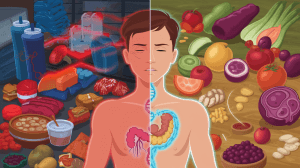
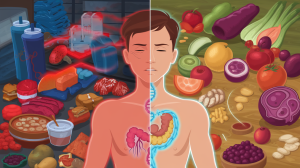
Our modern diet, often characterized by processed foods, refined carbohydrates, and unhealthy fats, has been identified as a major driver of chronic inflammation. This persistent, low-grade inflammation can silently damage our bodies over time, contributing to a host of health issues that plague modern society.
The Inflammatory Nature of Processed Foods
Processed foods, which make up a significant portion of the Western diet, are often loaded with ingredients that promote inflammation. These include added sugars, artificial preservatives, and unhealthy fats. The convenience of these foods comes at a high cost to our health, as they lack the nutrients our bodies need to function optimally and contain substances that actively harm our well-being.
The Hidden Dangers of Vegetable Oils
One of the most insidious components of the modern diet is the prevalence of processed vegetable oils. Oils such as corn, soy, canola, and cottonseed oil have become ubiquitous in both home cooking and processed foods. These oils are problematic for several reasons:
- They are high in omega-6 fatty acids, which, when consumed in excess, can promote inflammation.
- The production process often involves the use of hexane, a potentially carcinogenic solvent used for oil extraction.
- These oils are prone to oxidation and rancidity, which can lead to the formation of harmful compounds when consumed.
Experts recommend eliminating these oils from your diet and replacing them with healthier alternatives such as extra virgin olive oil, unrefined coconut oil, and grass-fed butter or ghee.
The Gut-Inflammation Connection
One of the most fascinating areas of research in recent years has been the exploration of the gut microbiome and its influence on overall health. The gut, often referred to as our “second brain,” plays a crucial role in regulating inflammation throughout the body.
Understanding the Gut Microbiome
Our gut is home to trillions of microorganisms collectively known as the gut microbiome. These microbes play a vital role in various aspects of our health, including digestion, immune function, and even mood regulation. When the balance of these microorganisms is disrupted, it can lead to a condition known as dysbiosis, which is associated with increased inflammation.
The Leaky Gut Phenomenon
A key concept in understanding the gut-inflammation connection is the idea of “leaky gut” or increased intestinal permeability. The lining of our gut is designed to act as a barrier, allowing nutrients to pass through while keeping harmful substances out. When this barrier is compromised, it can allow toxins, partially digested food particles, and other potentially harmful substances to enter the bloodstream, triggering an immune response and promoting inflammation throughout the body.
Dietary Factors Affecting Gut Health
Our diet plays a crucial role in maintaining a healthy gut microbiome and preserving the integrity of the gut lining. Certain dietary choices can either support or undermine gut health:
- Fiber-rich foods: These provide nourishment for beneficial gut bacteria and help maintain a diverse microbiome.
- Fermented foods: Foods like yogurt, kefir, and sauerkraut can introduce beneficial bacteria to the gut.
- Processed foods: These often contain additives and preservatives that can disrupt the balance of gut bacteria and potentially damage the gut lining.
- Sugar and refined carbohydrates: Excessive consumption of these can feed harmful bacteria and promote dysbiosis.
The Brain-Gut-Inflammation Axis
The connection between gut health and inflammation extends beyond the digestive system, influencing our brain health and cognitive function. This intricate relationship is often referred to as the brain-gut axis.
Inflammation and Neurodegenerative Diseases
Research has shown a strong link between chronic inflammation and various neurodegenerative diseases, including Alzheimer’s disease, Parkinson’s disease, and multiple sclerosis. In fact, Alzheimer’s disease has been referred to as “type-3 diabetes” or “diabetes of the brain,” highlighting the connection between metabolic dysfunction, inflammation, and cognitive decline.
The Role of Diet in Brain Health
Our dietary choices can have a profound impact on brain health and cognitive function. A diet high in processed foods, simple carbohydrates, and unhealthy fats can promote inflammation and oxidative stress in the brain, potentially contributing to cognitive decline and neurodegenerative diseases. Conversely, a diet rich in anti-inflammatory foods, such as fruits, vegetables, and omega-3 fatty acids, may help protect against these conditions and support overall brain health.
The Power of Anti-Inflammatory Eating
Given the significant role that diet plays in inflammation and overall health, adopting an anti-inflammatory eating pattern can be a powerful tool for preventing and managing chronic diseases.
Key Components of an Anti-Inflammatory Diet
An anti-inflammatory diet typically includes:
- A variety of colorful fruits and vegetables, which are rich in antioxidants and phytonutrients
- Whole grains and legumes, which provide fiber and important nutrients
- Healthy fats from sources like olive oil, avocados, nuts, and fatty fish
- Herbs and spices, many of which have potent anti-inflammatory properties
- Limited intake of processed foods, refined carbohydrates, and added sugars
- Moderate consumption of lean proteins, with an emphasis on plant-based sources
The Mediterranean Diet: A Model for Anti-Inflammatory Eating
The Mediterranean diet is often cited as an excellent example of an anti-inflammatory eating pattern. This diet, which is rich in fruits, vegetables, whole grains, legumes, and healthy fats (particularly olive oil), has been associated with numerous health benefits, including reduced risk of cardiovascular disease, improved cognitive function, and increased longevity.
Beyond Diet: Lifestyle Factors Influencing Inflammation
While diet plays a crucial role in managing inflammation, it’s important to recognize that other lifestyle factors also contribute to our overall inflammatory status.
The Importance of Sleep
Adequate, quality sleep is essential for managing inflammation. Chronic sleep deprivation has been linked to increased levels of inflammatory markers in the body. Prioritizing good sleep hygiene and aiming for 7-9 hours of sleep per night can help support overall health and reduce inflammation.
Exercise and Inflammation
Regular physical activity has been shown to have powerful anti-inflammatory effects. While intense exercise can temporarily increase inflammation, consistent moderate exercise over time helps reduce chronic inflammation. Finding a balance and incorporating regular movement into your routine is key.
Stress Management
Chronic stress can contribute to inflammation through various physiological pathways. Implementing stress-reduction techniques such as meditation, deep breathing exercises, or yoga can help mitigate the inflammatory effects of stress.
The Role of Personalized Medicine in Managing Inflammation
As our understanding of the complex interplay between diet, lifestyle, and inflammation grows, the field of personalized medicine is emerging as a powerful tool for optimizing health and preventing chronic diseases.
Advancements in Health Tracking and Analysis
New technologies are making it easier than ever for individuals to track various health markers and gain insights into their unique physiology. Platforms that analyze blood, DNA, and lifestyle data can provide personalized recommendations for diet, exercise, and supplementation to help manage inflammation and optimize overall health.
The Importance of Individualized Approaches
While general guidelines for anti-inflammatory eating and lifestyle practices can be beneficial, it’s important to recognize that each person’s body may respond differently to various interventions. What works well for one individual may not be as effective for another. This underscores the importance of working with healthcare professionals who can help tailor recommendations to your unique needs and circumstances.
Practical Steps for Reducing Inflammation Through Diet
For those looking to adopt a more anti-inflammatory lifestyle, here are some practical steps to get started:
1. Clean Out Your Pantry
Begin by removing inflammatory foods from your kitchen, particularly processed vegetable oils (corn, soy, canola, cottonseed) and processed snack foods high in refined carbohydrates and unhealthy fats.
2. Stock Up on Anti-Inflammatory Foods
Fill your kitchen with a variety of colorful fruits and vegetables, whole grains, legumes, nuts, seeds, and healthy cooking oils like extra virgin olive oil and coconut oil.
3. Read Labels Carefully
When purchasing packaged foods, carefully read ingredient lists. Avoid products containing artificial additives, preservatives, and added sugars. Be particularly wary of “natural flavors,” which can often be a catch-all term for various chemical additives.
4. Experiment with Anti-Inflammatory Cooking
Try incorporating more anti-inflammatory herbs and spices into your cooking, such as turmeric, ginger, garlic, and rosemary. These not only add flavor but also provide potent anti-inflammatory compounds.
5. Prioritize Whole Foods
Focus on building meals around whole, unprocessed foods. This not only helps reduce inflammation but also ensures you’re getting a wide range of essential nutrients.
The Ripple Effect: Spreading Health Through Education and Advocacy
As individuals, we have the power not only to transform our own health but also to influence those around us. By educating ourselves about the impact of diet on inflammation and overall health, we can become advocates for healthier eating habits in our communities.
Sharing Knowledge with Loved Ones
One of the most effective ways to create change is by sharing what we learn about food and health with friends and family. This doesn’t mean becoming the “food police,” but rather gently educating and leading by example. When attending social gatherings, consider bringing a delicious, healthy dish to share, showing others that nutritious food can also be enjoyable.
Being the Change in Your Environment
Whether at home, in the workplace, or in your community, look for opportunities to promote healthier food choices. This might involve advocating for healthier options in school cafeterias, organizing workplace wellness initiatives, or supporting local farmers’ markets and sustainable food systems.
Embracing a Holistic Approach to Health
As we’ve explored throughout this article, managing inflammation and promoting overall health involves much more than simply following a list of “good” and “bad” foods. It requires a holistic approach that considers diet, lifestyle, environmental factors, and individual physiology.
By understanding the intricate connections between what we eat, how we live, and our body’s inflammatory responses, we can make informed choices that support long-term health and well-being. Whether you’re dealing with a chronic health condition or simply looking to optimize your wellness, adopting an anti-inflammatory lifestyle can be a powerful step towards achieving your health goals.
Remember, the journey to better health is a personal one, and what works best for you may evolve over time. Stay curious, be open to new information, and don’t hesitate to seek guidance from healthcare professionals as you navigate your path to optimal health. By taking control of our diet and lifestyle choices, we have the power to not only transform our own health but also to contribute to a healthier, more vibrant society.