 PRADEEP ALBERT
Understanding Gut Health: A Comprehensive Guide to the Microbiome and Its Impact on Overall Wellness
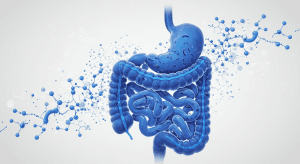
Introduction to the Human Microbiome
The human body is host to a remarkable ecosystem of microorganisms that significantly outnumber our own cells. Current research indicates that for every human cell, there are approximately ten bacterial cells, creating a complex microbiome that plays a crucial role in our overall health and wellness.
This vast ecosystem, predominantly located in our digestive system, contains upwards of 100 trillion bacteria, making us sophisticated hosts for what scientists now recognize as a vital component of human health. Understanding this internal ecosystem and its impact on our well-being has become a cornerstone of modern medicine.
The Functional Medicine Approach to Gut Health
Functional medicine takes a distinctive approach to understanding and treating gut health issues by examining optimal rather than average health markers. This methodology involves using tighter reference ranges for laboratory tests, acknowledging that what’s statistically common isn’t necessarily ideal for human health.
This approach recognizes that health exists on a spectrum, with dysfunction often developing years before conventional diagnosis. By focusing on optimal ranges rather than merely normal ones, practitioners can identify and address potential issues before they develop into more serious conditions.
The Gut-Brain Connection
One of the most fascinating aspects of gut health is its intimate connection with the brain. This relationship begins during fetal development, where the gut and brain originate from the same tissue, establishing a lifelong connection known as the gut-brain axis.
This connection is evidenced by the fact that 95% of the body’s serotonin, often called the “feel-good” neurotransmitter, is produced and stored in the gut. This remarkable statistic helps explain why gut health can significantly impact mental health and cognitive function.
The Impact on Mental Health
The gut-brain axis plays a crucial role in mental health conditions such as anxiety and depression. Research has revealed a complex communication network between the gut microbiome and the brain, suggesting that gut health may be a key factor in managing mental health conditions.
The Immune System Connection
Perhaps one of the most crucial aspects of gut health is its relationship with the immune system. Approximately 75-80% of the body’s immune system resides in the gut, making it a central player in our body’s defense mechanisms.
Inflammation and Gut Health
The relationship between gut health and inflammation is bidirectional. Poor gut health can trigger systemic inflammation, while chronic inflammation can compromise gut function. This creates a potential cycle that can impact multiple body systems.
Common Gut Health Issues
Small Intestinal Bacterial Overgrowth (SIBO)
SIBO occurs when bacteria from the large intestine migrate and proliferate in the small intestine. This condition can lead to various symptoms, including bloating, gas, and irregular bowel movements. Unlike pathogenic infections, SIBO involves normal bacteria growing in the wrong location or quantities.
Small Intestinal Fungal Overgrowth (SIFO)
Similar to SIBO, SIFO involves an overgrowth of fungal organisms in the small intestine. While some fungal presence is normal, an overgrowth can lead to various health issues and digestive symptoms.
Leaky Gut Syndrome
Also known as increased intestinal permeability, leaky gut syndrome occurs when the intestinal barrier becomes compromised, allowing substances that should remain in the digestive tract to enter the bloodstream. This condition can trigger various immune responses and is increasingly recognized as a factor in multiple health conditions.
Food Sensitivities and Intolerances
Understanding food sensitivities requires distinguishing between different types of adverse food reactions. These include true allergies (immune-mediated), sensitivities (delayed immune responses), and intolerances (enzyme deficiencies).
Cross-Reactive Foods
Some foods can trigger immune responses similar to gluten due to protein structures that the immune system mistakes for gluten. This phenomenon, known as cross-reactivity, can complicate the management of food sensitivities.
FODMAP Sensitivity
FODMAPs (Fermentable Oligosaccharides, Disaccharides, Monosaccharides, and Polyols) are types of carbohydrates that can cause digestive issues in sensitive individuals. However, FODMAP sensitivity is often a symptom of underlying gut dysfunction rather than a primary condition.
Factors Affecting Gut Health
Dietary Influences
The modern Western diet can significantly impact the microbiome’s balance. Processed foods, excessive sugar, and lack of fiber can all contribute to disrupting the delicate ecosystem of gut bacteria.
Medication Impact
Various medications, including non-steroidal anti-inflammatory drugs (NSAIDs) and antibiotics, can affect gut health. While these medications may be necessary, understanding their impact on gut health is crucial for developing comprehensive treatment strategies.
Stress and Trauma
Psychological stress and trauma, both current and historical, can significantly impact gut health through various mechanisms, including altered cortisol levels and decreased oxygen supply to the digestive system.
Alcohol Consumption
Regular alcohol consumption can irritate the intestinal lining and suppress protective mechanisms against inflammation and permeability. Even moderate consumption may impact gut health in sensitive individuals.
Hormone Balance and Gut Health
The relationship between hormones and gut health is bidirectional. Hormone imbalances can affect gut healing, while gut dysfunction can impact hormone conversion and regulation. This includes thyroid hormones, sex hormones, and stress hormones.
Treatment Approaches
Diagnostic Considerations
Comprehensive testing may include stool analysis, breath tests for SIBO, and various markers for intestinal permeability. These tests help create targeted treatment protocols based on individual findings.
Therapeutic Timeline
Gut healing typically requires a committed approach over an extended period. While some improvements may be noticed within weeks, complete restoration often takes between 6 and 24 months, depending on the severity of the condition.
Dietary Strategies
Therapeutic diets often emphasize easily digestible foods, particularly during the initial healing phases. This may include bone broths, cooked vegetables, and other gentle foods that support gut repair.
Intermittent Fasting
Research suggests that intermittent fasting can help reset the microbiome’s circadian rhythm and support gut healing. This approach can be particularly beneficial when implemented as part of a comprehensive treatment strategy.
Supplementation Strategies
Key Supplements for Gut Health
- L-glutamine: An essential amino acid that supports intestinal cell repair
- Colostrum: Supports beneficial bacteria growth and intestinal repair
- Slippery elm: Helps reduce gut inflammation
- Marshmallow root: Supports healing of damaged gut lining
- DGL (Deglycyrrhizinated licorice): Helps calm digestive inflammation
- Turkey tail mushroom: Offers antimicrobial support
- Targeted probiotics: Support microbiome balance
Long-term Management
Successfully managing gut health requires a long-term, comprehensive approach that addresses both immediate symptoms and underlying causes. This often involves lifestyle modifications, dietary adjustments, and ongoing monitoring of gut function.
Prevention Strategies
Maintaining gut health after recovery involves ongoing attention to diet, stress management, sleep quality, and other lifestyle factors that influence the microbiome’s balance.
Conclusion
Understanding and maintaining gut health is fundamental to overall wellness. The complex interactions between the gut microbiome and various body systems underscore the importance of taking a comprehensive approach to gut health. As research continues to reveal new connections between gut health and various aspects of human health, the significance of maintaining a healthy gut ecosystem becomes increasingly apparent.