 PRADEEP ALBERT
Unlocking the Power of Nutrition for Mental Well-Being: A Holistic Approach to Managing Anxiety
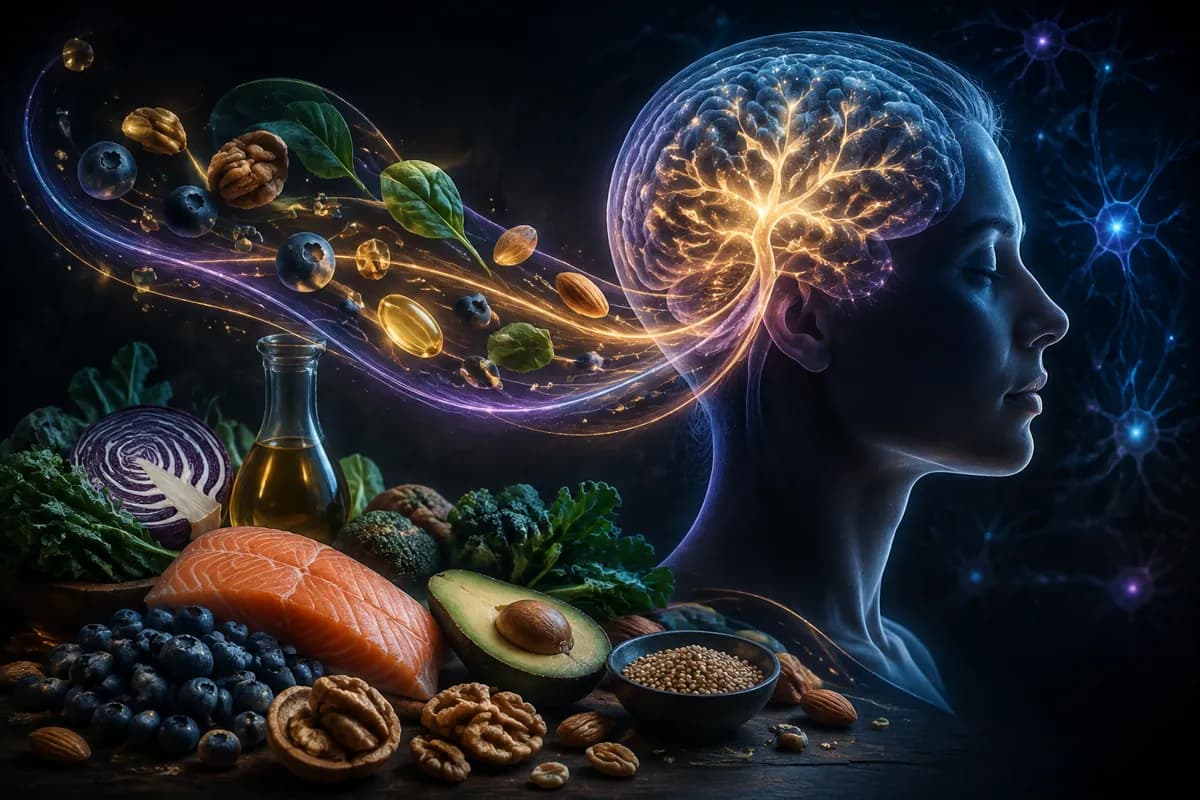
In recent years, the prevalence of anxiety disorders has increased significantly, especially in the wake of the COVID-19 pandemic. As mental health concerns continue to rise, it is crucial to explore holistic approaches to managing anxiety, particularly focusing on the role of nutrition in supporting mental well-being. This article delves into the growing field of nutritional psychiatry and examines how diet and nutrition can be powerful tools in the fight against anxiety.
The Gut-Brain Connection
The connection between the gut and the brain is well-established, with the gut often referred to as the “second brain.” The gut microbiome plays a vital role in this connection, influencing various aspects of mental health, including mood and anxiety levels. By understanding and leveraging this gut-brain connection, individuals can make targeted dietary choices to support their mental well-being.
Nutrient Deficiencies and Mental Health
Nutrient deficiencies can have a significant impact on mental health, contributing to the development or exacerbation of anxiety disorders. Some key nutrients to consider include:
- Iron: Iron deficiency is highly correlated with anxiety, particularly in women and children. Ensuring adequate iron intake through diet or supplementation can help support mental well-being.
- Magnesium: Low levels of magnesium have been linked to increased stress and anxiety. Incorporating magnesium-rich foods or considering supplementation may be beneficial.
- Vitamin D: Vitamin D deficiency is common, especially in regions with limited sunlight exposure. Adequate vitamin D levels are essential for overall mental health and may help reduce anxiety symptoms.
The Role of Whole Foods
Adopting a diet rich in whole foods is a fundamental aspect of supporting mental well-being and managing anxiety. Whole foods, such as fruits, vegetables, whole grains, lean proteins, and healthy fats, provide essential nutrients and promote overall health. Some specific foods to incorporate into an anti-anxiety diet include:
- Leafy greens: Rich in folate and other essential nutrients, leafy greens like spinach and kale can support mental health.
- Legumes: Lentils, chickpeas, and other legumes are excellent sources of protein, fiber, and various nutrients that contribute to a calm mind.
- Fatty fish: Omega-3 fatty acids found in fatty fish like salmon have been shown to have anti-inflammatory and mood-regulating properties.
- Dark chocolate: High-quality dark chocolate contains cocoa flavanols, which have been linked to reduced anxiety and improved cognitive function.
Minimizing Processed Foods and Added Sugars
While focusing on nutrient-dense whole foods is essential, it is equally important to minimize the consumption of processed foods and added sugars. These foods can contribute to inflammation, disrupt the gut microbiome, and negatively impact mental health. Some strategies to reduce processed food intake include:
- Reading labels carefully and avoiding products with high levels of added sugars and unhealthy fats.
- Preparing meals at home using whole ingredients whenever possible.
- Opting for healthier snack options, such as fresh fruits, vegetables, and nuts.
Herbal Medicines and Supplements
Certain herbal medicines and supplements have shown promise in managing anxiety symptoms. While more research is needed, some notable options include:
- Ashwagandha: This adaptogenic herb has been used in Ayurvedic medicine for centuries and has been shown to help reduce stress and anxiety.
- Saffron: Studies have indicated that saffron may have mood-regulating properties and can be beneficial for managing anxiety.
- Chamomile: Chamomile tea has long been used as a calming beverage and may help promote relaxation and reduce anxiety symptoms.
It is important to note that while herbal remedies can be helpful, they should be used under the guidance of a qualified healthcare professional, as they may interact with medications or have potential side effects.
Hydration and Electrolyte Balance
Maintaining proper hydration and electrolyte balance is crucial for overall health, including mental well-being. Dehydration can contribute to feelings of anxiety and even trigger panic attacks in some individuals. Drinking adequate amounts of water throughout the day and considering the use of electrolyte supplements can help support a calm mind.
Meal Planning and Preparation
Incorporating anxiety-reducing foods into one’s diet requires planning and preparation. Some tips for successful meal planning include:
- Creating a grocery list that focuses on whole, nutrient-dense foods.
- Dedicating time to meal prepping, such as washing and chopping vegetables in advance or cooking in batches.
- Experimenting with new recipes that incorporate calming ingredients like chamomile, lavender, or lemon balm.
By taking a proactive approach to meal planning and preparation, individuals can ensure that they have access to nourishing, anxiety-reducing foods throughout the week.
Mindful Eating Practices
In addition to the types of foods consumed, the way in which meals are approached can also impact mental well-being. Practicing mindful eating can help reduce stress and promote a more positive relationship with food. Some mindful eating techniques include:
- Eating slowly and without distractions, focusing on the sensory experience of each bite.
- Listening to hunger and fullness cues, eating only until satisfied.
- Expressing gratitude for the food and the nourishment it provides.
By incorporating mindful eating practices, individuals can develop a more balanced and supportive relationship with food, which can contribute to overall mental well-being.
The Importance of a Holistic Approach
While nutrition plays a significant role in managing anxiety, it is essential to recognize that a holistic approach is often most effective. In addition to dietary changes, other lifestyle factors such as regular exercise, stress management techniques, and adequate sleep are crucial for supporting mental health.
Incorporating practices like yoga, meditation, deep breathing exercises, and time spent in nature can help reduce anxiety and promote a sense of calm. Engaging in regular physical activity has also been shown to have mood-boosting effects and can help alleviate anxiety symptoms.
It is important to remember that everyone’s journey to mental well-being is unique, and what works for one person may not work for another. Consulting with a qualified healthcare professional, such as a nutritional psychiatrist or a registered dietitian, can help individuals develop a personalized plan that addresses their specific needs and goals.
Putting It All Together
The growing field of nutritional psychiatry offers a promising approach to managing anxiety and supporting overall mental well-being. By understanding the gut-brain connection, addressing nutrient deficiencies, focusing on whole foods, minimizing processed foods and added sugars, and incorporating herbal remedies and mindful eating practices, individuals can harness the power of nutrition to promote a calmer, more balanced state of mind.
As the conversation around mental health continues to evolve, it is crucial to recognize the importance of a holistic approach that encompasses both traditional therapeutic interventions and lifestyle modifications, including nutrition. By empowering individuals with the knowledge and tools to make informed choices about their diet and overall well-being, we can work towards a future where anxiety is effectively managed, and mental health is prioritized as an essential aspect of overall health and happiness.