 PRADEEP ALBERT
Unlocking the Regenerative Power of Stem Cells Through Nutrition
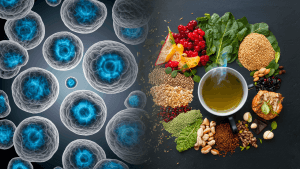
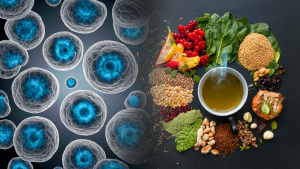
The human body possesses a remarkable ability to regenerate and heal itself, thanks to the presence of stem cells. These unspecialized cells have the potential to develop into various types of specialized cells, playing a crucial role in the regeneration of tissues such as hair, gut lining, liver, and skin. While it was once believed that only certain animals, like starfish and salamanders, could regenerate, recent scientific discoveries have shed light on the human body’s own regenerative capabilities.
Understanding Stem Cells
Stem cells are the foundation of human development, starting from the moment of conception when a sperm and an egg unite to form a single cell. This cell then divides and differentiates into the various organs and tissues that make up the human body. After birth, a reserve of approximately 700,000 stem cells remains in the body, primarily in the bone marrow and the lining of the intestines.
These stem cells have two unique properties:
- Self-renewal: Stem cells can divide and create more stem cells, maintaining a constant supply within the body.
- Differentiation: Stem cells can transform into specialized cells, such as blood cells, nerve cells, or muscle cells, depending on the body’s needs.
The Role of Stem Cells in Regeneration
Stem cells play a vital role in the body’s regenerative processes. They are responsible for replacing damaged or dead cells, repairing injured tissues, and maintaining the overall health of organs. Some examples of stem cell-mediated regeneration include:
- Hair growth: When hair falls out, stem cells in the hair follicles generate new hair cells, allowing for the regrowth of hair.
- Gut lining renewal: The lining of the intestines is constantly exposed to digestive enzymes and food particles, leading to wear and tear. Stem cells in the gut facilitate the regeneration of the intestinal lining every few days.
- Liver regeneration: The liver has an incredible capacity to regenerate. If a portion of the liver is removed, stem cells can help regenerate the lost tissue, restoring the organ’s function.
- Skin healing: When the skin is injured, stem cells in the epidermis and dermis work together to create new skin cells, leading to the formation of new tissue and the healing of wounds.
Factors that Impair Stem Cell Function
While stem cells are essential for regeneration, certain lifestyle factors and health conditions can impair their function, hindering the body’s ability to heal and regenerate. Some of these factors include:
Alcohol Consumption
High doses of alcohol can damage and blunt the activity of stem cells. While moderate alcohol consumption, such as an occasional glass of wine or a tequila shot, is unlikely to cause significant harm, excessive alcohol intake can have detrimental effects on stem cell function.
Diabetes and High Blood Sugar
Diabetes and high blood sugar levels can cripple stem cells, impairing their ability to regenerate tissues effectively. The metabolic disturbances associated with diabetes create an unfavorable environment for stem cells to thrive and function optimally.
Stress
Chronic stress can have a negative impact on stem cell activity. When the body is under high levels of stress, stem cells may become “stunned,” leading to a decreased enthusiasm in rebuilding organs and tissues. Managing stress through techniques such as mindfulness, meditation, and regular exercise can help maintain healthy stem cell function.
Boosting Stem Cells Through Nutrition
While certain factors can impair stem cell function, the exciting news is that nutrition plays a crucial role in enhancing and supporting stem cell activity. By making informed dietary choices, individuals can actively promote the regenerative capabilities of their own stem cells.
The Mediterranean Diet
Research has shown that adherence to a Mediterranean diet can significantly increase the number of stem cells in circulation. A study conducted in Spain found that elderly individuals following a Mediterranean diet had five times the number of stem cells in their bloodstream compared to those who did not follow the diet. The Mediterranean diet, rich in fruits, vegetables, whole grains, legumes, and healthy fats, provides a wide array of nutrients and bioactive compounds that support stem cell health.
Tea: Green and Black
Both green and black tea have been found to increase stem cell count. While green tea has long been touted for its health benefits, recent research suggests that black tea, despite being fermented, can also have a positive impact on stem cells. Drinking tea regularly can contribute to the maintenance and enhancement of stem cell function.
Dark Chocolate
Dark chocolate, particularly varieties with a high percentage of cacao, contains flavanols, which are bioactive compounds that can boost stem cell activity. A study conducted by researchers at the University of California, San Francisco (UCSF) found that consuming high-flavanol dark chocolate twice a day for a month doubled the number of stem cells in individuals with known cardiovascular disease. Additionally, the study participants experienced improved blood flow, demonstrating the functional benefits of increased stem cell activity.
Food as Medicine
The concept of food as medicine is gaining traction in the scientific community. Beyond providing essential nutrients and energy, food contains a wide array of phytochemicals or phytonutrients that possess medicinal properties. These bioactive compounds, created by nature and packed into plant-based foods, have the power to regulate and support various bodily functions, including stem cell activity.
By incorporating a variety of plant-based foods into the diet, individuals can tap into the medicinal potential of these phytonutrients. Each plant-based food offers a unique combination of bioactive compounds that work synergistically to promote health and well-being.
The New Science of Nutrition
The field of nutrition is undergoing a paradigm shift, moving beyond the traditional focus on macronutrients and calories to a more comprehensive understanding of how food interacts with the body at a cellular level. This new science of nutrition combines food science with life science, recognizing that food provides not only energy but also information and instructions that regulate various biological processes.
By understanding the impact of food on stem cells, DNA, the microbiome, the immune system, and antigenesis, healthcare professionals and individuals can make more informed decisions about their dietary choices. This knowledge empowers people to use food as a tool for disease prevention, management, and reversal.
Conclusion
The human body’s ability to regenerate through stem cells is a remarkable feat of nature. By understanding the factors that impair stem cell function and the dietary choices that can enhance their activity, individuals can harness the power of nutrition to support their body’s regenerative processes.
Incorporating a Mediterranean-style diet, consuming tea regularly, and indulging in moderate amounts of dark chocolate are just a few examples of how food can be used as medicine to boost stem cell function. As the science of nutrition continues to evolve, it is becoming increasingly clear that the foods we choose to eat have a profound impact on our health and well-being.
By making informed dietary choices and embracing the concept of food as medicine, individuals can take an active role in supporting their body’s natural regenerative abilities. The power to promote health and prevent disease lies not only in the hands of healthcare professionals but also in the everyday decisions we make about what we put on our plates.