 PRADEEP ALBERT
Unraveling the Mysteries of Long COVID: A Comprehensive Guide
Introduction
As the COVID-19 pandemic continues to evolve, a new challenge has emerged: long COVID syndrome. This perplexing condition affects millions of people worldwide, causing persistent symptoms that linger for months after the initial infection. In this comprehensive guide, we will explore the complexities of long COVID, its underlying mechanisms, and the potential strategies for treatment and recovery.
What is Long COVID?
Long COVID, also known as post-acute sequelae of SARS-CoV-2 infection (PASC), refers to a constellation of symptoms that persist for weeks or months after the acute phase of COVID-19. Common symptoms include:
- Fatigue
- Brain fog
- Shortness of breath
- Exercise intolerance
- Cardiovascular issues
- Gastrointestinal problems
- Neurological symptoms
These symptoms can vary in severity and duration, significantly impacting the quality of life of those affected.
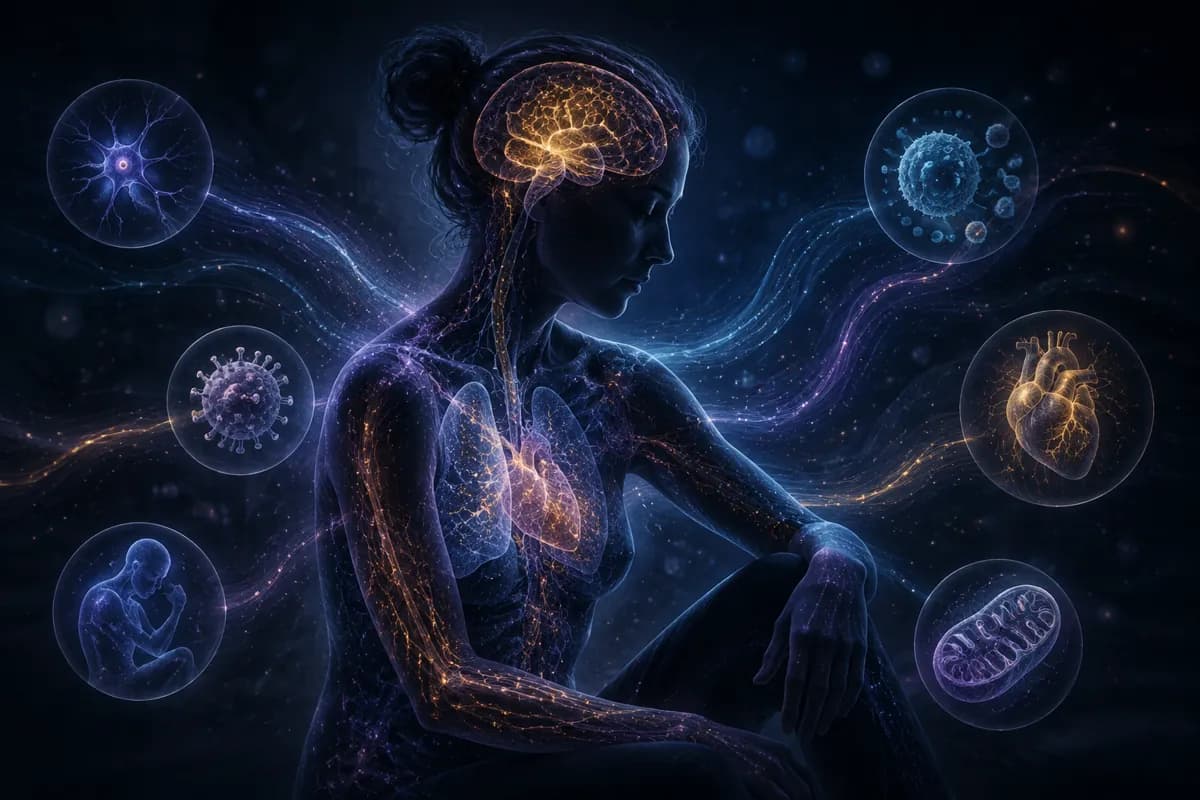
The Web of Long COVID
To understand the complexity of long COVID, it is essential to recognize the interconnected factors that contribute to its development and persistence. This “web” of long COVID includes:
ACE2 Receptor Damage and Mitochondrial Dysfunction
SARS-CoV-2, the virus that causes COVID-19, gains entry into cells by binding to the angiotensin-converting enzyme 2 (ACE2) receptor. This interaction can lead to damage to the ACE2 receptor and subsequent mitochondrial dysfunction, setting off a cascade of effects that contribute to long COVID symptoms.
Inflammation of Blood Vessel Lining and Microclots
COVID-19 can trigger widespread inflammation, particularly in the lining of blood vessels. This inflammation can lead to the formation of microclots, which impair blood flow and oxygen delivery to various organs and tissues, contributing to the diverse symptoms of long COVID.
Immune Cell Dysfunction and Autoantibodies
The immune system plays a crucial role in the development of long COVID. Dysregulation of immune cells, such as mast cells, monocytes, B-lymphocytes, and T-lymphocytes, can perpetuate inflammation and autoimmune responses. The production of autoantibodies, which mistakenly target the body’s own tissues, may also contribute to ongoing symptoms.
Gut Dysbiosis and Viral Persistence
COVID-19 can disrupt the delicate balance of the gut microbiome, leading to a state of dysbiosis characterized by the depletion of beneficial bacteria and the overgrowth of potentially harmful species. This dysbiosis can have far-reaching effects on immune function, inflammation, and overall health. Additionally, viral persistence, either as active virus or viral fragments, may contribute to ongoing immune activation and symptoms.
A Functional Medicine Approach to Long COVID
Given the complex nature of long COVID, a comprehensive and individualized approach is necessary for effective treatment and recovery. Functional medicine, which addresses the root causes of disease rather than merely treating symptoms, offers a promising framework for managing long COVID.
Viral Eradication and Immune Support
Ensuring complete viral clearance is an essential first step in addressing long COVID. This may involve the use of antiviral herbs, such as Vacetinol-9 or Tolavid, alongside immune-supportive strategies like optimizing vitamin D levels and utilizing supplements like curcumin and resveratrol to restore ACE2 function.
Restoring the Gut Microbiome
Healing the gut is crucial for resolving long COVID symptoms. This can be achieved through a nutrient-dense, polyphenol-rich diet, along with targeted probiotics and prebiotics to support the growth of beneficial bacteria like Faecalibacterium prausnitzii. Butyrate supplementation may also help restore gut health and reduce inflammation.
Supporting Mitochondrial Function and Circulation
Mitochondrial dysfunction is a key driver of long COVID symptoms, particularly fatigue and exercise intolerance. Supporting mitochondrial health through supplements like coenzyme Q10, B vitamins, and alpha-lipoic acid can help improve energy production and reduce oxidative stress. Strategies to enhance circulation, such as the use of vinpocetine or hyperbaric oxygen therapy, may also be beneficial.
Addressing Specific Symptoms and Complications
Long COVID can manifest in various ways, requiring targeted interventions for specific symptoms and complications. For example:
- POTS (postural orthostatic tachycardia syndrome) may require increased salt intake, fluid management, and gradual exercise reconditioning.
- Mast cell activation syndrome (MCAS) may benefit from histamine-reducing diets, mast cell stabilizers, and antihistamines.
- Neuropathy and post-exercise malaise may respond to peptide therapies, such as thymosin beta-4 or BPC157, or intravenous immunoglobulin (IVIG) treatment.
Emerging Therapies and Future Directions
As our understanding of long COVID continues to evolve, so do the potential treatment options. Some emerging therapies showing promise include:
- Exosome therapy, which may help modulate immune responses and promote tissue repair.
- Plasmapheresis, a blood-filtering procedure that removes inflammatory compounds and autoantibodies.
- Ozone therapy, which may help improve oxygen delivery and reduce inflammation, although caution is needed due to potential oxidative stress.
Ongoing research is crucial for developing targeted therapies and refining treatment protocols for long COVID.
The Importance of Personalized Care
Long COVID is a highly individualized condition, with symptoms and underlying mechanisms varying from person to person. As such, a one-size-fits-all approach is unlikely to be effective. Working with a healthcare practitioner who understands the complexities of long COVID and can develop a personalized treatment plan is essential for optimal recovery.
Conclusion
Long COVID presents a significant challenge for patients, healthcare providers, and society as a whole. By understanding the intricate web of factors that contribute to this condition, we can develop more effective strategies for prevention, treatment, and recovery. A functional medicine approach, which addresses the root causes of long COVID and supports the body’s innate healing mechanisms, offers hope for the millions of people struggling with this debilitating condition.
As we navigate the evolving landscape of the COVID-19 pandemic, it is crucial to prioritize research, education, and patient-centered care to mitigate the long-term impact of this virus. By working together and embracing a comprehensive, integrative approach, we can help those affected by long COVID reclaim their health and quality of life.