 PRADEEP ALBERT
Unraveling the Mysteries of Mitochondria: From Energetics to Signaling Roles
The Genesis of Mitochondrial Research
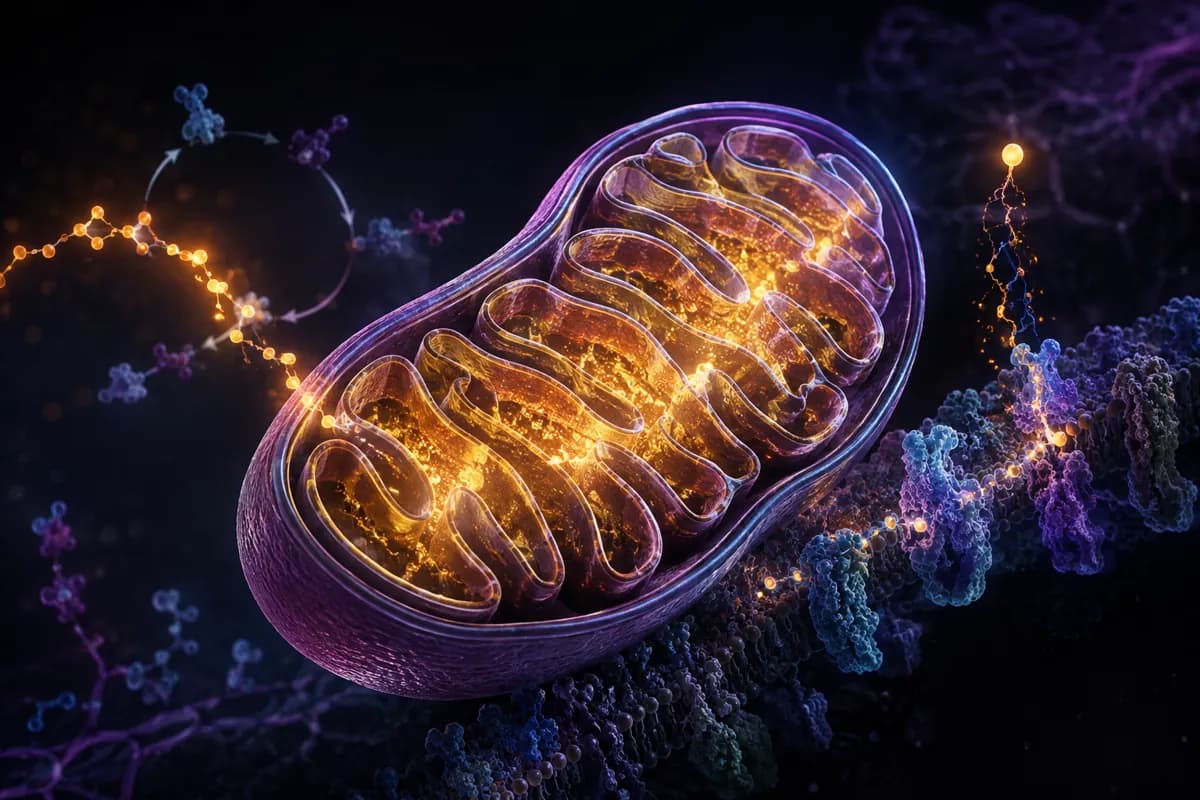
Modern mitochondrial research traces back to several pivotal discoveries in the 20th century. In 1937, German biochemist Hans Krebs outlined how mitochondria metabolize nutrients through the TCA cycle to generate energy carriers like NADH. In 1960, British biologist Peter Mitchell solved how mitochondria synthesize ATP through oxidative phosphorylation using the electron transport chain and proton gradient.
These seminal works formed our foundational understanding of mitochondrial bioenergetics. However, in 1996 scientist Xiaodong Wang uncovered that beyond making ATP, mitochondria have key signaling roles. He found that cytochrome C, normally involved in energy production, can initiate programmed cell death called apoptosis when released from mitochondria into the cytoplasm.
Hydrogen Peroxide Signaling
For decades, reactive oxygen species (ROS) like hydrogen peroxide released by stressed mitochondria were viewed solely as damaging byproducts. Yet around 1998, evidence began to suggest physiological ROS release served beneficial signaling purposes. Our immune cells, for example, require mitochondrial hydrogen peroxide to fight infections properly.
This signaling function likely explains why antioxidant supplements broadly fail to provide health benefits and may even harm cancer patients. If hydrogen peroxide has important immune signaling roles, then removing this signal could impair immune function and responses to cancer therapies.
Deciphering Metformin’s Mechanism
The widely used diabetes drug metformin inhibits complex I of the mitochondrial electron transport chain. This alters the NAD/NADH ratio and activates AMPK, an enzyme regulating cellular energy metabolism. Through AMPK, metformin triggers downstream effects – reduced glucose output from the liver, enhanced autophagy, and dampened inflammation.
By accumulating in tissues like the liver, gut and immune cells, metformin’s mitochondrial effects mediate its anti-diabetic, anti-cancer and anti-inflammatory properties. Ongoing trials continue investigating complex I inhibition as the key mechanism underlying metformin’s potential longevity benefits.
Rethinking the Role of Mitochondria in Cancer
Contrary to Warburg’s theory of defective tumor mitochondria, most cancers depend heavily on TCA cycle activity within mitochondria to proliferate. When mitochondrial respiration is blocked genetically, mice grow smaller, less aggressive tumors. This reveals mitochondria’s essential support role in cancer.
New complex I inhibitors now in development can selectively target cancer cell mitochondria while avoiding toxicity to normal tissues. Combined with therapies like immunotherapy that attack from different angles, hitting cancer’s mitochondrial vulnerability could effectively restrain tumors.
Mitochondrial Decline: Adaptive Protection?
Mitochondrial function measurably declines with age, including decreased capacity to generate maximal ATP. Yet inhibited mitochondria seem to activate cellular survival pathways almost like an adaptive response. Further suppressing mitochondria with agents like metformin might provide anti-aging effects through these pathways.
The data challenges notions that we should enhance declining mitochondria in aging. Metformin trials will shed light on whether inhibiting mitochondria plays a role in its potential longevity benefits or simply does no harm.
Key Implications
- Mitochondrial hydrogen peroxide likely serves important physiological signaling roles, questioning the premise behind antioxidant supplements
- Metformin’s inhibition of complex I and activation of AMPK seems critical for its anti-diabetic, anti-cancer and anti-inflammatory properties
- Robust mitochondrial function enables most tumor growth, making mitochondria a promising anti-cancer target
- Declining mitochondrial function in aging could be an adaptive response rather than purely detrimental
In summary, core mitochondrial processes like ATP production constitute only one vital facet. Accumulating evidence unveils mitochondria’s profound influence through cellular signaling roles we are only beginning to unravel.