 PRADEEP ALBERT
Unveiling the Factors Behind Rising Infertility Rates: Expert Insights and Preventive Strategies
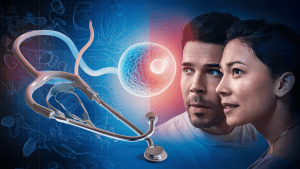
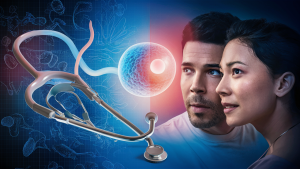
Infertility has become an increasingly prevalent issue in modern society, affecting countless individuals and couples worldwide. As the rates of infertility continue to rise, it is crucial to understand the underlying factors contributing to this trend and explore effective strategies for prevention and management. In this comprehensive article, we delve into the expert insights of a renowned fertility specialist, shedding light on the primary causes of infertility and providing valuable guidance for those seeking to optimize their reproductive health.
The Impact of Delayed Childbearing
One of the most significant factors contributing to the rising infertility rates is the growing trend of women delaying childbearing due to career and educational pursuits. As women prioritize their professional aspirations and personal goals, the average age of first-time mothers has steadily increased. However, this delay can have a substantial impact on fertility, as a woman’s reproductive potential naturally declines with age.
Studies have shown that female fertility begins to decline in the late 20s, with a more rapid decline occurring after the age of 35. This age-related decline in fertility is primarily attributed to a decrease in the quantity and quality of a woman’s eggs. As women age, the number of viable eggs diminishes, and the likelihood of chromosomal abnormalities in the remaining eggs increases, leading to a higher risk of infertility and pregnancy complications.
Fertility Preservation: A Proactive Approach
For women who desire to postpone childbearing, fertility preservation techniques, such as egg freezing, have emerged as a proactive solution. By freezing their eggs at a younger age, when fertility is at its peak, women can potentially increase their chances of successful conception later in life. The optimal time to consider egg freezing is typically in the early 30s, before the age-related decline in fertility becomes more pronounced.
It is important to note that while egg freezing offers a valuable option for women who wish to delay childbearing, it is not a guarantee of future fertility. The success rates of conceived using frozen eggs depend on various factors, including the woman’s age at the time of egg retrieval, the quality of the frozen eggs, and the specific fertility treatment utilized.
Environmental Factors and Reproductive Health
In addition to the age-related decline in fertility, environmental factors play a significant role in the increasing prevalence of infertility. Exposure to toxins, pesticides, and chemicals in food and personal care products has been linked to adverse effects on reproductive health in both men and women.
Studies have shown that certain environmental toxins, such as endocrine-disrupting chemicals found in plastics, pesticides, and certain food additives, can interfere with hormonal balance and negatively impact fertility. These toxins can accumulate in the body over time, leading to a range of reproductive health issues, including decreased sperm quality in men and impaired ovarian function in women.
Minimizing Exposure to Environmental Toxins
To mitigate the potential impact of environmental toxins on reproductive health, it is crucial to adopt a proactive approach to minimizing exposure. Some key strategies include:
- Choosing organic and minimally processed foods to reduce exposure to pesticides and harmful additives
- Opting for natural, non-toxic personal care and household products to minimize exposure to endocrine-disrupting chemicals
- Avoiding plastic containers and opting for glass or stainless steel alternatives, especially when storing or heating food
- Ensuring adequate ventilation and using air purifiers to reduce indoor air pollution
By making conscious choices to minimize exposure to environmental toxins, individuals can take a proactive step towards safeguarding their reproductive health and optimizing their fertility potential.
The Role of Metabolic Health in Fertility
Metabolic health plays a crucial role in reproductive function, and the rising rates of obesity, insulin resistance, and metabolic disorders have been identified as significant contributors to infertility. Excess body weight and insulin resistance can disrupt hormonal balance, impair ovulation in women, and negatively impact sperm quality in men.
Polycystic Ovary Syndrome (PCOS), a common endocrine disorder characterized by insulin resistance and hormonal imbalances, is a leading cause of infertility in women. PCOS can lead to irregular menstrual cycles, anovulation (lack of ovulation), and an increased risk of pregnancy complications. Managing insulin resistance through lifestyle modifications, such as maintaining a healthy weight, adopting a balanced diet, and engaging in regular physical activity, can significantly improve fertility outcomes in women with PCOS.
The Benefits of Weight Management and Insulin Sensitivity
Achieving and maintaining a healthy weight is crucial for optimizing fertility in both men and women. Even a modest weight loss of 5-10% can significantly improve insulin sensitivity, regulate menstrual cycles, and enhance fertility outcomes. Adopting a nutrient-dense, whole-foods diet that emphasizes plant-based foods, lean proteins, and healthy fats can support weight management efforts and promote overall reproductive health.
In addition to dietary modifications, regular physical activity plays a vital role in improving insulin sensitivity and promoting metabolic health. Engaging in moderate-intensity exercise for at least 150 minutes per week can help regulate blood sugar levels, reduce inflammation, and support healthy hormone production, all of which contribute to optimal fertility.
Supporting Fertility Through Targeted Nutrition and Supplementation
Proper nutrition and targeted supplementation can play a significant role in supporting reproductive health and optimizing fertility. Consuming a well-balanced diet rich in essential nutrients, such as folate, iron, zinc, and omega-3 fatty acids, can help ensure the body has the necessary building blocks for healthy reproductive function.
Key Supplements for Fertility Support
In addition to a nutrient-dense diet, certain supplements have been shown to support fertility in both men and women. Some of the most widely recommended supplements for fertility include:
- Coenzyme Q10 (CoQ10) or Ubiquinol: A powerful antioxidant that supports egg and sperm quality
- Prenatal Vitamins: Providing essential nutrients, such as folic acid, iron, and vitamin D, to support pregnancy and fetal development
- Omega-3 Fatty Acids: Promoting hormonal balance, reducing inflammation, and supporting overall reproductive health
- Vitamin D: Regulating immune function, supporting hormone production, and promoting calcium absorption for fetal bone development
- Adaptogenic Herbs (e.g., Ashwagandha): Supporting the body’s stress response and promoting hormonal balance
It is important to consult with a healthcare provider or a fertility specialist before starting any new supplement regimen to ensure safety and appropriateness based on individual needs and medical history.
Supporting Detoxification for Optimal Fertility
The body’s natural detoxification processes play a crucial role in eliminating toxins and supporting overall health, including reproductive function. Supporting the body’s detoxification pathways can help minimize the impact of environmental toxins and promote optimal fertility.
Lifestyle Strategies for Enhanced Detoxification
Some effective strategies for supporting detoxification and promoting reproductive health include:
- Consuming a nutrient-dense, whole-foods diet rich in antioxidants and fiber to support the body’s natural detoxification processes
- Staying well-hydrated by drinking plenty of water throughout the day to facilitate toxin elimination
- Ensuring regular bowel movements through a fiber-rich diet and proper hydration to prevent the reabsorption of toxins
- Avoiding processed and junk foods, which can contribute to inflammation and impair detoxification pathways
- Incorporating liver-supportive foods, such as cruciferous vegetables, garlic, and turmeric, into the diet
By adopting a holistic approach to detoxification and making conscious lifestyle choices, individuals can support their body’s natural ability to eliminate toxins and create a more favorable environment for optimal fertility.
Managing Stress for Hormonal Balance and Fertility
Stress is a significant yet often overlooked factor that can significantly impact fertility and overall reproductive health. Chronic stress can disrupt hormonal balance, impair ovulation, and negatively affect sperm quality, making it more challenging to conceive.
When the body is in a constant state of stress, it prioritizes survival mechanisms over reproductive function, leading to hormonal imbalances and reduced fertility. Cortisol, the primary stress hormone, can interfere with the delicate balance of reproductive hormones, such as estrogen and progesterone, and contribute to menstrual irregularities and anovulation.
Effective Stress Management Techniques
Incorporating stress management techniques into daily life can be a powerful tool for promoting hormonal balance and optimizing fertility. Some effective strategies for managing stress include:
- Practicing mindfulness and meditation to cultivate a sense of inner calm and reduce stress levels
- Engaging in regular physical activity, such as yoga, walking, or swimming, to promote relaxation and reduce stress
- Prioritizing self-care activities, such as taking warm baths, reading, or pursuing hobbies, to promote a sense of well-being
- Seeking support from loved ones, friends, or a mental health professional to manage stress and maintain emotional well-being
- Practicing deep breathing exercises or progressive muscle relaxation to alleviate tension and promote a sense of calm
By prioritizing stress management and incorporating relaxation techniques into daily life, individuals can support their body’s natural ability to maintain hormonal balance and optimize fertility.
The Importance of Comprehensive Fertility Testing
For individuals or couples experiencing difficulty conceiving, comprehensive fertility testing is essential for identifying potential underlying causes and developing an appropriate treatment plan. Fertility testing typically involves a thorough evaluation of both partners to assess reproductive health and identify any factors that may be impacting fertility.
Key Components of Fertility Testing
Some of the key components of fertility testing include:
- Ovarian Reserve Testing: Assessing a woman’s egg supply through blood tests such as Anti-Mullerian Hormone (AMH) and Follicle-Stimulating Hormone (FSH)
- Semen Analysis: Evaluating sperm count, motility, and morphology to determine male fertility potential
- Hormonal Testing: Measuring levels of key reproductive hormones, such as estrogen, progesterone, and thyroid hormones, to identify any imbalances
- Ultrasound Imaging: Assessing the health and structure of the reproductive organs, including the uterus and ovaries
- Genetic Testing: Screening for inherited genetic conditions that may impact fertility or pregnancy outcomes
By undergoing comprehensive fertility testing, individuals and couples can gain valuable insights into their reproductive health and work closely with a fertility specialist to develop a personalized treatment plan that addresses their unique needs and goals.
Navigating the Emotional Aspects of Infertility
Infertility can be a deeply emotional and challenging experience for individuals and couples. The journey to parenthood can be marked by feelings of frustration, disappointment, and loss, and it is essential to acknowledge and address the emotional impact of infertility.
Seeking support from loved ones, friends, or a professional counselor can be invaluable in navigating the emotional aspects of infertility. Joining a support group or connecting with others who have experienced similar struggles can provide a sense of community and validation, helping individuals feel less alone in their journey.
It is important to prioritize self-care and engage in activities that promote emotional well-being, such as practicing mindfulness, engaging in hobbies, or spending quality time with loved ones. Maintaining open and honest communication with a partner or support system can also help alleviate the emotional burden and foster a sense of unity and resilience throughout the fertility journey.
The Role of Assisted Reproductive Technologies (ART)
For individuals or couples facing infertility, Assisted Reproductive Technologies (ART) offer advanced treatment options that can significantly improve the chances of successful conception. ART encompasses a range of procedures, including In Vitro Fertilization (IVF), Intrauterine Insemination (IUI), and Intracytoplasmic Sperm Injection (ICSI), among others.
IVF, one of the most well-known and effective ART procedures, involves fertilizing an egg with sperm in a laboratory setting and transferring the resulting embryo(s) into the uterus. IVF can be particularly beneficial for individuals with blocked or damaged fallopian tubes, severe male factor infertility, or unexplained infertility.
The success rates of ART procedures have steadily increased over the years, offering hope and possibilities to many individuals and couples struggling with infertility. However, it is important to understand that ART is not a guarantee of success, and multiple treatment cycles may be necessary to achieve a successful pregnancy.
Navigating Infertility: From Understanding to Action
Infertility is a complex and multifaceted issue that affects a growing number of individuals and couples worldwide. By understanding the underlying factors contributing to infertility, such as age-related decline, environmental toxins, metabolic health, and lifestyle factors, individuals can take proactive steps to optimize their reproductive health and improve their chances of successful conception.
Adopting a holistic approach to fertility, which encompasses targeted nutrition, stress management, detoxification support, and comprehensive fertility testing, can empower individuals to make informed decisions and work closely with healthcare providers to develop personalized treatment plans.
As the journey to parenthood can be emotionally challenging, it is essential to prioritize self-care, seek support from loved ones and professionals, and maintain open communication throughout the process. By embracing a proactive and compassionate approach to fertility, individuals and couples can navigate the complexities of infertility with resilience and hope, working towards the ultimate goal of building the family they desire.