 PRADEEP ALBERT
Unraveling the Complex Science Behind Fat Loss and Weight Management
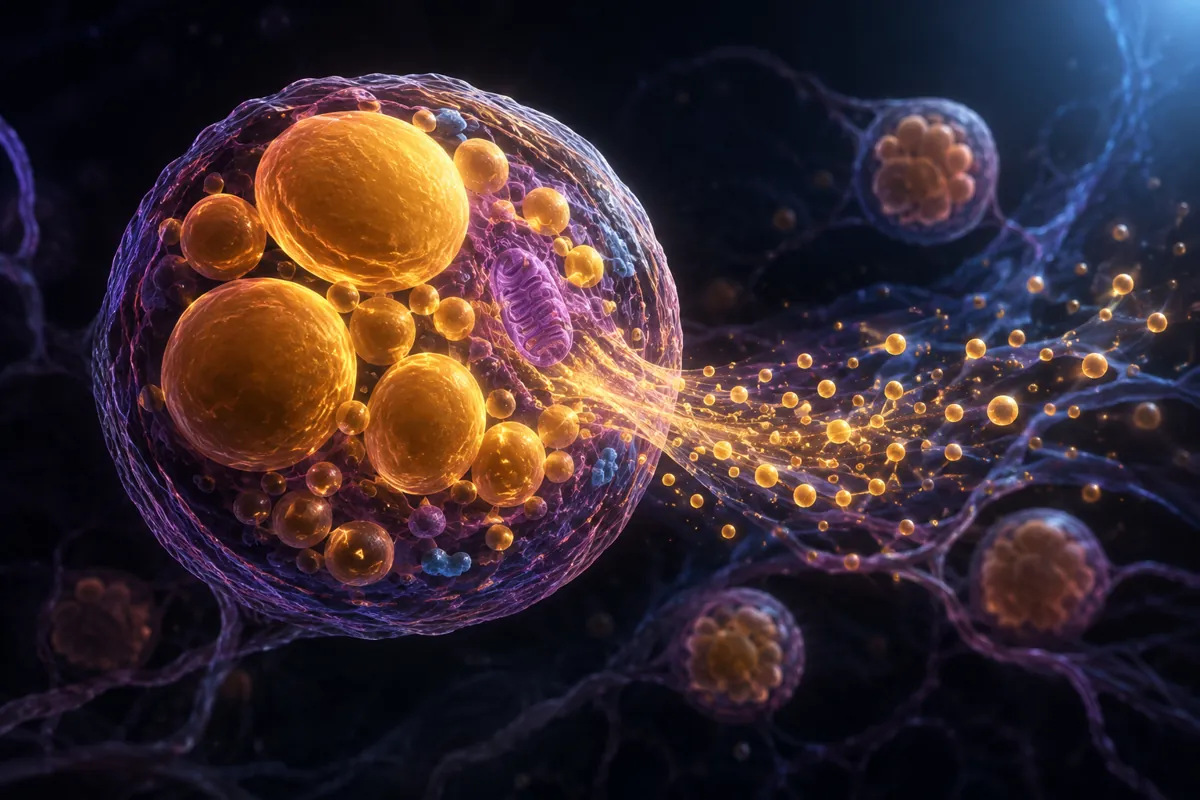
Demystifying the Concept of “Fat Flux”
For many people struggling with excess body fat, the most common desire is to “lose weight.” But what does this really mean biologically? Fundamentally, losing fat mass requires shrinking the size of fat cells in the body. To understand how fat cell size is regulated, we need to dive into the complex physiology underlying “fat flux.”
Fat flux refers to the movement of fat into and out of adipose (fat) tissue. This flux determines whether fat cells grow bigger (fat gain) or shrink smaller (fat loss). There are two main pathways governing fat flux:
- Fat Storage: The conversion of glucose and dietary fats into stored body fat through processes like de novo lipogenesis and re-esterification.
- Fat Breakdown: The breakdown of stored fat (in the form of triglycerides) into free fatty acids and glycerol through lipolysis, induced by hormones like epinephrine.
When fat storage outpaces fat breakdown, there is a positive net fat flux – fat cells expand in size. The opposite scenario leads cells to shrink. A key player in regulating flux is the hormone insulin, which promotes fat storage while inhibiting lipolysis. This explains why chronically elevated insulin is linked to weight gain.
Ketosis Alone Doesn’t Guarantee Fat Loss
Being in nutritional ketosis (elevated blood ketones) indicates that fat breakdown is occurring to produce ketone bodies. However, ketosis alone provides no information about concurrent fat storage. Weight loss ultimately requires net negative fat flux. Even in ketosis, high dietary fat intake can be re-esterified into fat cells, outweighing any increases in lipolysis.