GLP-1 Gene Therapy – Could Your Body Become Its Own Ozempic Factory?
Audio Overview
GLP-1 Gene Therapy – Could Your Body Become Its Own Ozempic Factory?
View Transcript
That’s the ambitious goal of two biotech startups now racing to develop gene therapies for obesity—and their early results in animal studies are turning heads.
The companies—Fractyl Health in Massachusetts and RenBio in New York—are taking slightly different approaches to the same problem. Current GLP-1 drugs work remarkably well for weight loss and blood sugar control, but they require ongoing injections, can cost over a thousand dollars a month, and many people stop taking them within a year.
A one-time treatment that permanently modifies cells to produce their own GLP-1 could solve all three problems.
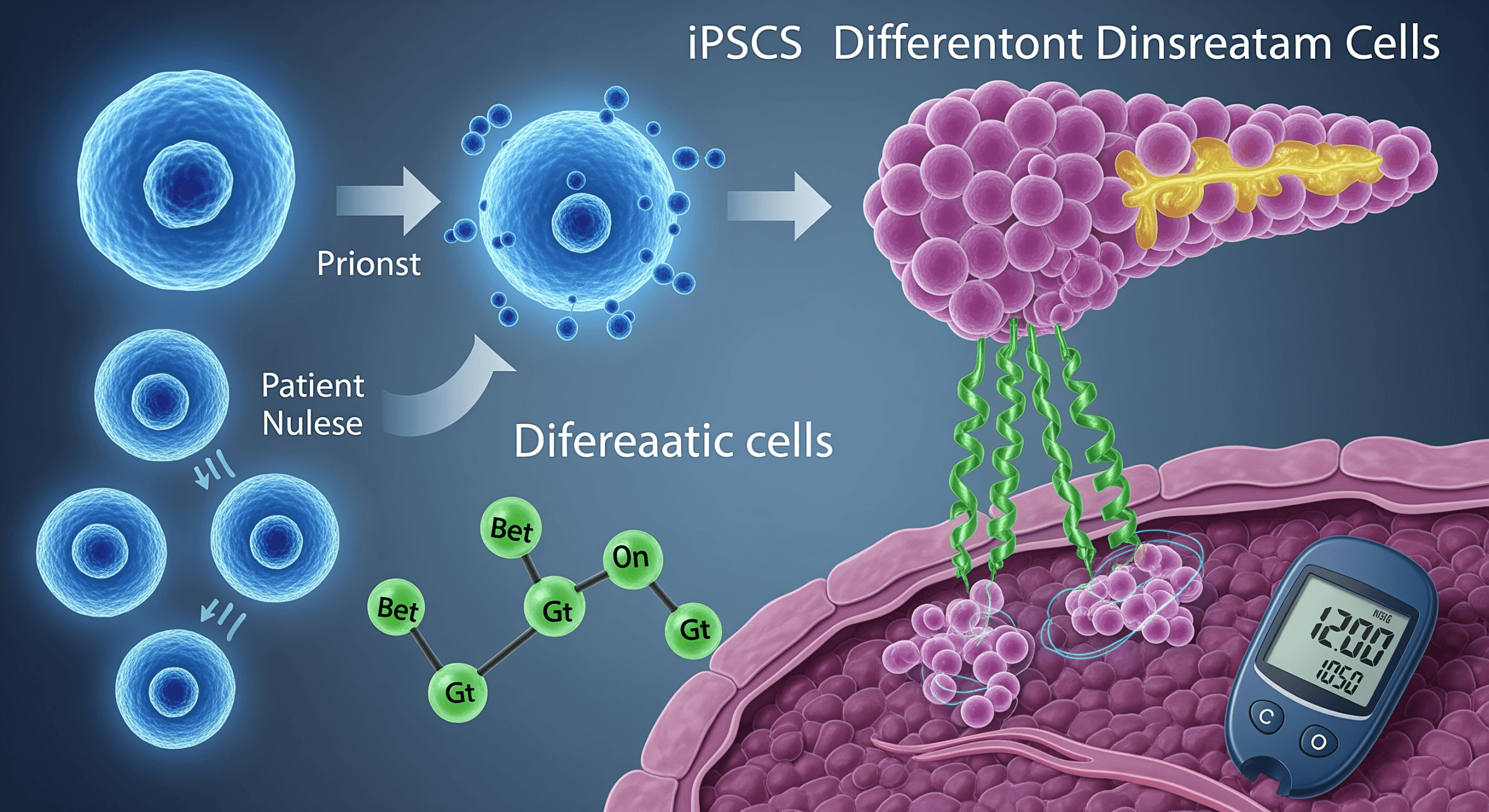
Fractyl’s approach uses a traditional gene therapy technique, delivering DNA instructions via a modified virus directly to insulin-producing cells in the pancreas. In rodent studies, a single dose achieved 20 percent weight loss and blood sugar reductions that actually outperformed chronic semaglutide—the active ingredient in Ozempic.
RenBio takes a different path, using what they call “naked DNA”—a plasmid in simple saline solution that doesn’t require a viral carrier.
Both companies have moved beyond mice to larger animal testing in pigs and monkeys. Human trials could begin within the next few years if results continue to be positive.
The stakes are enormous. About 40 percent of American adults have obesity, and GLP-1 drugs have shown they can make a real dent in those numbers. But the current model—requiring ongoing expensive injections that half of users stop within a year—isn’t sustainable.
Gene therapy that turns the body into its own drug factory could represent a paradigm shift in treating metabolic disease. We’re watching this space closely.
The GLP-1 Revolution and Its Limits
Drugs like Ozempic, Wegovy, and Mounjaro have transformed the treatment of obesity and type 2 diabetes. By mimicking the hormone glucagon-like peptide-1 (GLP-1), these medications suppress appetite, slow gastric emptying, and improve blood sugar control. The results speak for themselves: sustained weight loss of 15 to 20 percent or more, along with emerging evidence of cardiovascular and other health benefits.
But the GLP-1 revolution has significant limitations.
The drugs are expensive—often over a thousand dollars monthly without insurance, and coverage remains inconsistent. They require ongoing injections, weekly for most current formulations. Up to half of users report side effects including nausea, vomiting, and fatigue. And crucially, studies suggest people need to continue using them to maintain weight loss; stop the injections, and the weight typically returns.
These factors contribute to disappointing persistence rates. Data indicate that nearly two-thirds of people without diabetes who start GLP-1 drugs stop within a year. The medications work while people take them, but getting people to take them long-term remains challenging.
What if there were a different approach entirely?
The Gene Therapy Vision
Two biotech startups are pursuing an audacious goal: develop gene therapies that would turn the body’s own cells into permanent GLP-1 factories. Instead of injecting the hormone from outside, the treatment would reprogram cells to produce it themselves—potentially forever.
A single treatment could replace lifetime medication. No more weekly injections. No more refills. No more adherence problems. The body would simply produce what it needs.
Fractyl Health, based in Massachusetts, and RenBio, based in New York, are the furthest along in this race. Both have completed initial animal studies and progressed to testing in larger animals. Human trials could begin within years.
Fractyl’s Approach
Fractyl Health uses a gene therapy technique that employs an adeno-associated virus (AAV) as a delivery vehicle. This modified, non-disease-causing virus carries DNA instructions into target cells, where they integrate and begin producing GLP-1.
The company’s treatment, called GLP-1 PGTX, is designed to be delivered directly to insulin-producing cells in the pancreas. The idea is that these cells, which already sense blood sugar levels and respond accordingly, would become the body’s new source of GLP-1.
The animal data is striking. In rodent studies, mice that received a single dose of GLP-1 PGTX achieved blood glucose levels 54 percent lower than controls. More impressively, they showed 20 percent lower total body weight—and this single treatment outperformed chronic semaglutide (the active ingredient in Ozempic) in head-to-head comparison.
In a diet-induced obesity model, rodents receiving the single-dose treatment showed 24.8 percent lower body weight at 15 days compared to untreated animals.
RenBio’s Different Path
RenBio takes a fundamentally different technical approach. Rather than using a viral vector, they employ what they call “naked DNA”—a plasmid (circular DNA) delivered in simple saline solution.
The company calls its platform “Make Your Own,” capturing the essence of the concept: giving cells the genetic instructions to manufacture therapeutic proteins themselves.
While RenBio’s specific GLP-1 data is less publicly detailed, the company is pursuing clinical development of its platform technology. They hope to begin human testing of a related product—using the same delivery approach for antibodies against Zika virus—in the near future, which would help validate the underlying technology.
Why This Matters Now
The timing of these developments reflects several converging factors.
Gene therapy technology has matured significantly. Delivery systems have improved. Manufacturing has become more reliable. The FDA approval of multiple gene therapies in recent years has established regulatory pathways that didn’t exist a decade ago.
The market opportunity is enormous. About 40 percent of American adults have obesity. The percentage using GLP-1 drugs for weight loss has roughly doubled in less than two years, rising from 5.8 to 12 percent of adults. The demand clearly exists.
And the limitations of current treatments create space for alternatives. When half of patients stop taking a medication within a year, there’s room for approaches that don’t depend on ongoing adherence.
Significant Challenges
Despite promising animal data, substantial hurdles remain before these therapies could reach patients.
Safety is paramount. Gene therapy involves permanently modifying DNA. While the changes are intended to be beneficial, unintended effects—either immediate or emerging over years—must be carefully monitored. The body’s GLP-1 system is naturally regulated; whether permanent, uncontrolled production would be problematic long-term remains unknown.
Durability questions persist. Animal lifespans are short compared to humans. Whether gene therapy effects would persist for decades in people is uncertain. If production waned over time, would re-treatment be possible?
Manufacturing and delivery present challenges. Gene therapies are complex to produce and require specialized infrastructure. Ensuring consistent, reliable manufacturing at scale is non-trivial.
Regulatory approval will require extensive clinical trials demonstrating both safety and efficacy in humans. This process takes years and costs hundreds of millions of dollars, with no guarantee of success.
The Bigger Picture of Metabolic Medicine
These GLP-1 gene therapy efforts represent a broader trend: using genetic approaches to permanently alter metabolic function. The logic is straightforward—if we can identify beneficial biological changes, why not engineer them permanently rather than requiring continuous intervention?
Similar approaches are being explored for cholesterol (as discussed in the CRISPR cholesterol research), for diabetes beyond GLP-1, and for other metabolic conditions. The technology platform—using gene delivery to reprogram cells—has applications extending well beyond any single disease.
For obesity specifically, the potential impact is significant. Despite decades of public health efforts, obesity rates have continued to climb. GLP-1 drugs have shown they can actually reverse that trend—in 2025, the U.S. obesity rate dropped from 39.9 to 37 percent, possibly reflecting their widespread adoption.
But a treatment that half of users stop within a year isn’t a complete solution. One-time gene therapy could be.
The Years Ahead
Both Fractyl and RenBio have moved from mice to larger animal testing—pigs and monkeys—which better predict human responses. With continued positive results and sufficient funding, human trials could begin within the next few years.
The path from animal studies to approved human therapy is long and uncertain. Many promising approaches fail along the way. But the fundamental concept—programming the body to produce its own therapeutic proteins—has been validated for other conditions. The question is whether it can be applied safely and effectively to the GLP-1 system.
For the millions struggling with obesity and its health consequences, the prospect of a one-time treatment that doesn’t require lifetime commitment to weekly injections is compelling. The research is early, but the direction is clear: the future of metabolic medicine may involve treatments that work with the body’s own cellular machinery rather than fighting against it.
Sources
1. CGT Live. “Fractyl’s Single-Dose Obesity Gene Therapy GLP-1 PGTX Outcompetes Chronic Semaglutide in Rodent Study.” 2025. https://www.cgtlive.com/view/fractyl-single-dose-obesity-gene-therapy-glp-1-pgtx-outcompetes-chronic-semaglutide-rodent-study
2. CNN Health. “The race is on to turn your body into a GLP-1 factory.” November 4, 2025. https://www.cnn.com/2025/11/04/health/obesity-glp1-gene-therapy-research
3. Gallup. “GLP-1 medication usage statistics.” 2025.