 PRADEEP ALBERT
Harnessing the Healing Power of Nature: A Comprehensive Guide to Forest Bathing and Natural Wellness
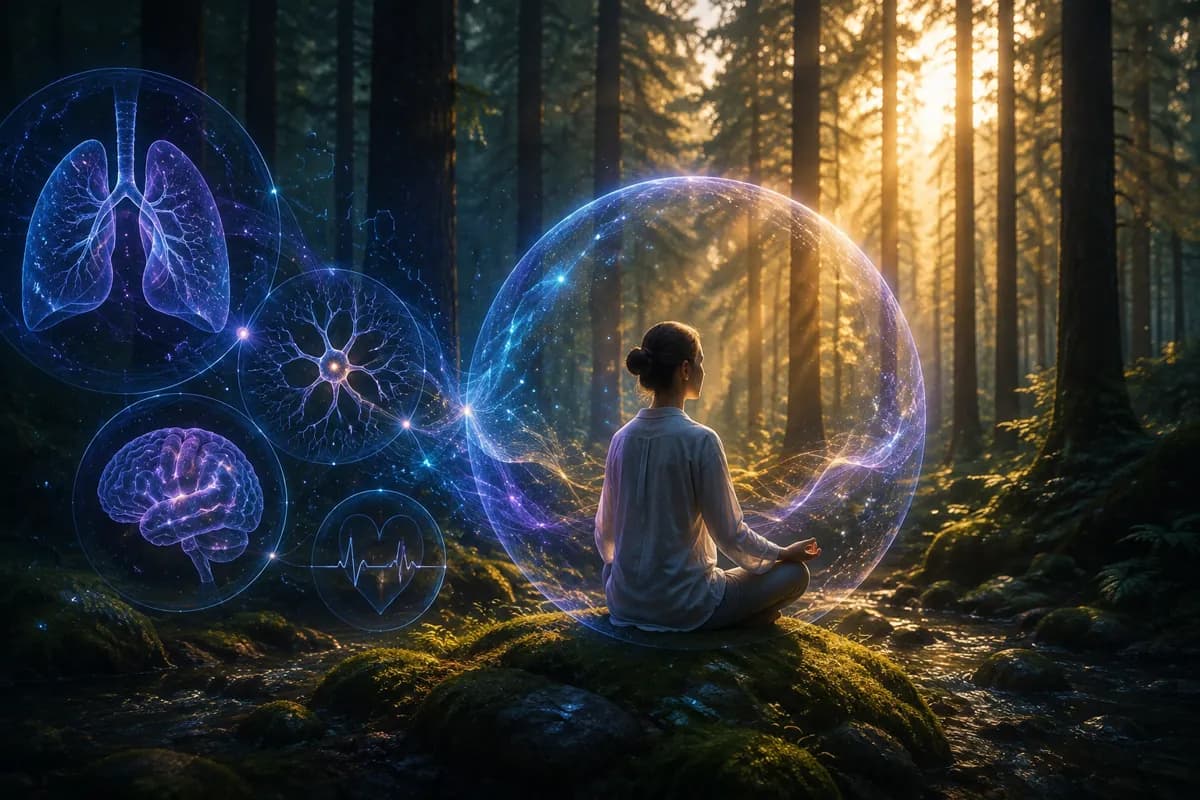
The Resurgence of Nature in Modern Wellness
In an era dominated by technology and urban living, there’s a growing recognition of nature’s profound impact on human health and wellbeing. This article delves into the science-backed benefits of nature exposure, with a particular focus on the Japanese practice of forest bathing, and explores various ways to incorporate nature into our daily lives for optimal health.
Understanding Forest Bathing (Shinrin-yoku)
Forest bathing, or Shinrin-yoku in Japanese, is more than just a walk in the woods. It’s a mindful practice that involves immersing oneself in the forest atmosphere using all five senses.
The Origins of Forest Bathing
Developed in Japan in the 1980s, forest bathing was introduced by the Japanese Ministry of Agriculture, Forestry, and Fisheries as a response to rising stress levels in urban populations. The practice quickly gained traction as research began to demonstrate its numerous health benefits.
How Forest Bathing Differs from Hiking
Unlike hiking, which often focuses on reaching a destination, forest bathing emphasizes the journey itself. It involves moving slowly through the forest, paying close attention to the surroundings, and engaging all senses. This mindful approach allows for a deeper connection with nature and maximizes the potential health benefits.
The Science Behind Forest Bathing
A growing body of research supports the health benefits of forest bathing, revealing its positive impacts on both physical and mental wellbeing.
Immune System Boost
One of the most notable benefits of forest bathing is its effect on the immune system. Studies have shown that spending time in forests can increase the number and activity of natural killer (NK) cells, a type of white blood cell crucial in fighting off infections and cancer.
This boost in immune function is attributed to phytoncides, aromatic compounds released by trees and plants. When inhaled, these compounds have been shown to increase NK cell activity for up to 30 days after a forest bathing session.
Stress Reduction
Forest bathing has been found to significantly reduce stress hormone levels, particularly cortisol. This reduction in stress hormones is associated with a range of health benefits, including improved mood, better sleep, and reduced risk of stress-related diseases.
Improved Cardiovascular Health
Research has demonstrated that forest bathing can lead to lower blood pressure and heart rate, contributing to better overall cardiovascular health. These effects are thought to be due to a combination of stress reduction and the inhalation of beneficial compounds found in forest air.
Enhanced Mental Wellbeing
Beyond its physical health benefits, forest bathing has been shown to improve mental health. Studies have reported reductions in symptoms of depression and anxiety, as well as improvements in mood and cognitive function following forest bathing sessions.
The Healing Power of Different Natural Landscapes
While forests offer unique health benefits, research suggests that various natural landscapes can contribute to human wellbeing in distinct ways.
Oceans and Coastal Areas
The sound of waves and the sight of vast expanses of water have been found to induce a meditative state, reducing stress and promoting relaxation. The negative ions present in sea air may also contribute to improved mood and cognitive function.
Mountains
Mountain environments offer opportunities for physical challenge and breathtaking views, which can induce feelings of awe and perspective. These experiences have been linked to reduced stress, improved mood, and enhanced creativity.
Deserts
The stark beauty and solitude of desert landscapes can promote introspection and mindfulness. The unique flora and fauna of desert ecosystems also offer opportunities for wonder and discovery.
Grasslands
Open grasslands provide a sense of spaciousness that can be mentally freeing. The gentle rustling of grasses and the diversity of wildlife in these ecosystems can offer a soothing sensory experience.
Urban Green Spaces
Even in cities, access to green spaces such as parks and gardens has been shown to provide significant health benefits. Regular exposure to urban nature has been linked to reduced stress, improved mood, and better cognitive function.
Bringing Nature Indoors: Strategies for Urban Dwellers
For those living in urban environments or unable to access natural landscapes regularly, there are several ways to bring the benefits of nature indoors.
Houseplants: Nature’s Air Purifiers
Incorporating houseplants into living and working spaces can improve air quality, reduce stress, and enhance overall wellbeing. Some plants are particularly effective at purifying indoor air, such as snake plants, spider plants, and peace lilies.
Natural Light and Views
Maximizing exposure to natural light and views of nature, even if it’s just a small patch of sky or a single tree, can have significant psychological benefits. Consider rearranging furniture to optimize access to windows and natural light.
Nature Sounds and Imagery
Listening to recordings of nature sounds, such as rainfall or bird songs, can induce relaxation and improve focus. Similarly, incorporating nature imagery through artwork or screensavers can provide some of the psychological benefits of nature exposure.
Essential Oils
Using essential oils derived from trees and plants, such as pine or cedar, can mimic some of the aromatic benefits of forest bathing. These scents can be diffused or applied topically (when properly diluted) to promote relaxation and stress relief.
Awe Walks: Cultivating Wonder in Everyday Environments
The concept of “awe walks” offers a way to experience the benefits of nature even in familiar or urban settings. This practice involves intentionally seeking out and appreciating elements of wonder and beauty in one’s surroundings.
The Science of Awe
Research has shown that experiencing awe can have profound effects on mental and physical health. It has been linked to reduced inflammation, improved mood, and increased prosocial behavior.
Practicing Awe Walks
To practice an awe walk:
- Choose a route, either familiar or new
- Set an intention to notice details and find elements of wonder
- Walk slowly, engaging all senses
- Pay attention to things that inspire feelings of awe, no matter how small
- Reflect on the experience afterwards
The Mind-Body Connection: How Nature Impacts Mental and Physical Health
The benefits of nature exposure highlight the intricate connection between mental and physical health. This bidirectional relationship underscores the importance of holistic approaches to wellness.
Stress Reduction and Physical Health
By reducing stress hormones, nature exposure can have cascading positive effects on physical health, including improved immune function, better cardiovascular health, and reduced inflammation.
Cognitive Benefits and Brain Health
Time in nature has been shown to improve cognitive function, including attention, memory, and creativity. These mental benefits can translate to better overall brain health and potentially reduced risk of neurodegenerative diseases.
Emotional Wellbeing and Physical Resilience
The mood-boosting effects of nature exposure can contribute to greater emotional resilience, which in turn can enhance physical health through improved health behaviors and stress management.
Optimizing Sleep Through Nature Connection
Quality sleep is crucial for overall health, and nature exposure can play a significant role in improving sleep patterns.
Circadian Rhythm Regulation
Exposure to natural light, particularly in the morning, helps regulate the body’s circadian rhythm, promoting better sleep-wake cycles. Spending time outdoors during the day can significantly improve sleep quality at night.
Stress Reduction for Better Sleep
The stress-reducing effects of nature exposure can contribute to easier sleep onset and improved sleep quality. Incorporating nature-based relaxation techniques before bedtime, such as listening to nature sounds or practicing visualization of natural scenes, can be particularly beneficial.
Creating a Nature-Inspired Sleep Environment
Incorporating elements of nature into the bedroom, such as plants, natural materials, or nature-inspired artwork, can create a more relaxing sleep environment. Ensuring the bedroom is cool, dark, and quiet mimics natural sleeping conditions and can improve sleep quality.
Integrating Nature into Daily Wellness Practices
To maximize the health benefits of nature, it’s important to incorporate nature exposure into daily routines.
Morning Rituals
Starting the day with outdoor time, even if it’s just a few minutes, can set a positive tone for the day and help regulate circadian rhythms. This could involve enjoying morning coffee on a balcony, taking a short walk, or simply standing outside and taking a few deep breaths.
Outdoor Exercise
When possible, take exercise routines outdoors. Whether it’s jogging, yoga, or bodyweight exercises, outdoor exercise combines the benefits of physical activity with nature exposure.
Mindful Breaks
Incorporate short nature breaks throughout the day. This could involve a brief walk around a nearby park during lunch, tending to houseplants, or simply gazing out a window at natural scenery for a few minutes.
Evening Wind-Down
End the day with nature-based relaxation techniques. This might include an evening stroll, sitting outside to watch the sunset, or practicing meditation with nature sounds.
The Social Aspect of Nature Connection
While individual nature experiences offer numerous benefits, sharing these experiences with others can enhance their positive effects.
Community Nature Activities
Participating in community gardening projects, group hikes, or outdoor volunteer activities can combine the benefits of nature exposure with social connection, further boosting overall wellbeing.
Family Nature Time
Regular family outings in nature can strengthen bonds, create shared positive experiences, and instill a love for the natural world in children.
Nature-Based Social Events
Consider organizing social gatherings around nature-based activities, such as picnics in the park, beach outings, or stargazing nights.
Embracing Nature for Lifelong Health
As we navigate an increasingly urbanized and technologically-driven world, the importance of maintaining a connection with nature becomes ever more crucial. The research is clear: regular exposure to natural environments can significantly enhance both our physical and mental health.
By understanding and harnessing the healing power of nature – whether through forest bathing, awe walks, or simply bringing elements of the outdoors into our homes – we can tap into a potent, accessible, and often free resource for improving our overall wellbeing. As we face the challenges of modern life, let us not forget the profound impact that a simple walk in the woods, a moment of wonder at a beautiful sunset, or the tending of a houseplant can have on our health and happiness.
In embracing nature as an integral part of our wellness practices, we not only improve our individual health but also foster a greater connection with the world around us. This connection can lead to increased environmental awareness and a more sustainable approach to living, creating a positive feedback loop that benefits both personal and planetary health.
As we move forward, let us strive to integrate nature into our daily lives, recognizing it not as a luxury, but as an essential component of a healthy, balanced lifestyle. In doing so, we may find that the path to wellness has been right outside our door all along, waiting for us to step out and embrace it.