 PRADEEP ALBERT
The Transformative Power of Exercise: Unlocking the Secrets to Longevity and Optimal Health
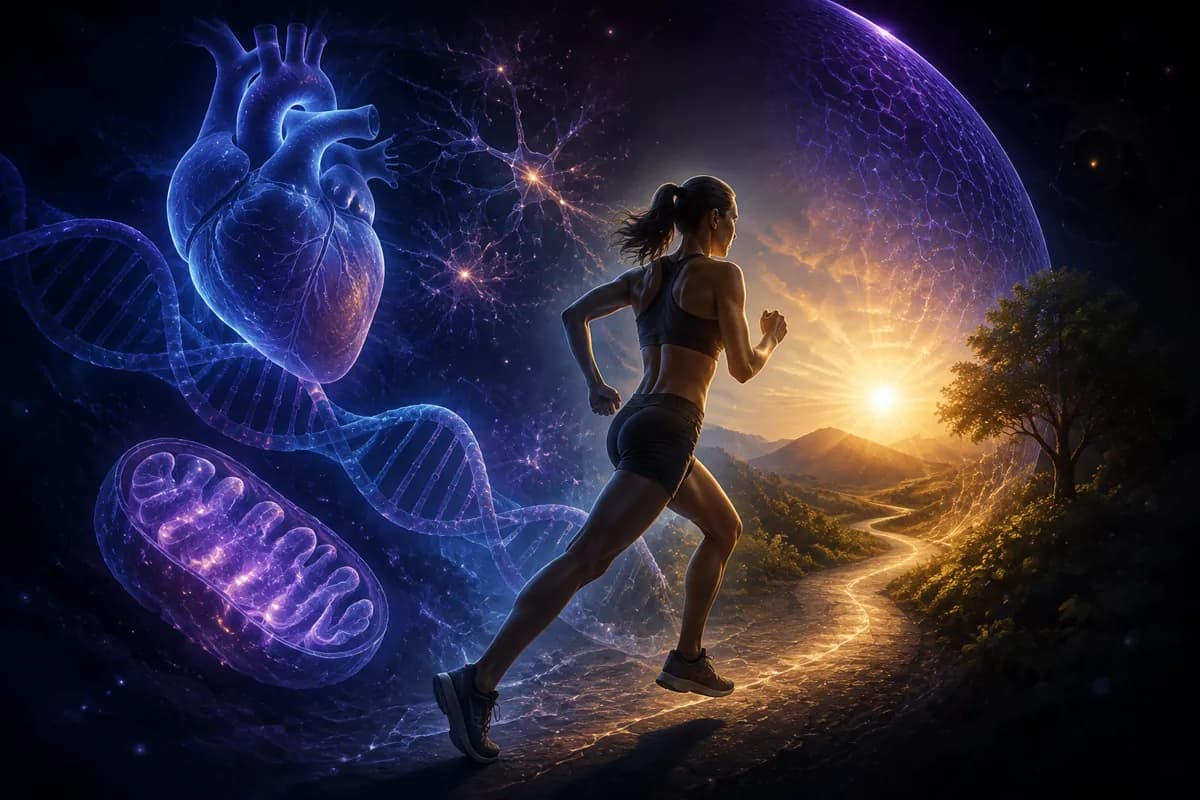
In the pursuit of a longer, healthier life, we often seek out the latest medical breakthroughs or cutting-edge supplements. However, one of the most powerful tools for enhancing longevity and overall well-being has been with us all along: exercise. This article delves into the profound impact of physical activity on our health, exploring how it affects various biological systems and contributes to a longer, more vibrant life.
The Wonder Drug Called Exercise
Imagine a pharmaceutical company announcing a revolutionary new drug with an astonishing array of benefits: it improves blood pressure, enhances blood sugar control and insulin sensitivity, aids in weight loss, dramatically reduces the risk of heart disease, lowers cholesterol, improves mood and motivation, boosts cognitive function, prevents dementia, builds muscle and bone strength, reduces the risk of various cancers, improves sleep, and even enhances sexual function. Such a drug would undoubtedly be hailed as a miracle of modern medicine.
The remarkable truth is that this “wonder drug” already exists, and it’s not a pill created in a laboratory. It’s exercise – the simple act of moving our bodies. Unlike pharmaceutical interventions, exercise is free, accessible to most people, and comes with virtually no side effects when done properly.
The Biological Impact of Exercise
To fully appreciate the power of exercise, it’s crucial to understand its wide-ranging effects on our biological systems. Let’s explore how physical activity influences various aspects of our health:
Immune System Boost
Regular exercise has been shown to enhance the function of the immune system. This improvement helps our bodies better defend against pathogens and may even play a role in reducing the risk of certain cancers.
Mitochondrial Health
Exercise stimulates the production of new mitochondria, the powerhouses of our cells. More efficient and numerous mitochondria mean better energy production, which is crucial for overall health and longevity.
Blood Sugar and Insulin Regulation
Physical activity helps balance blood sugar levels and improves insulin sensitivity. This is particularly important for preventing and managing type 2 diabetes, a condition that can significantly impact life expectancy.
Hormonal Balance
Exercise positively influences various hormonal systems in the body, including the adrenal glands, thyroid, and sex hormones. This balance is essential for maintaining optimal health and preventing age-related decline.
Detoxification and Lymphatic Flow
Movement enhances the body’s natural detoxification processes and improves lymphatic flow. This helps rid the body of waste products and toxins more efficiently.
Microbiome Optimization
Interestingly, exercise has been found to positively affect the gut microbiome, the collection of beneficial bacteria in our digestive system. A healthy microbiome is increasingly recognized as crucial for overall health and longevity.
Exercise and the Hallmarks of Aging
Recent scientific research has identified several “hallmarks of aging” – biological processes that contribute to the aging process. Exercise has been shown to positively influence many of these hallmarks:
Telomere Length
Telomeres are protective caps at the ends of our chromosomes that shorten as we age. Exercise has been shown to help maintain telomere length, potentially slowing down cellular aging.
Inflammation Reduction
Chronic inflammation is a key driver of aging and age-related diseases. Regular physical activity helps reduce systemic inflammation, contributing to better health and longevity.
Mitochondrial Health
As mentioned earlier, exercise improves mitochondrial function and increases their number. This is crucial for maintaining cellular energy production as we age.
Nutrient-Sensing Pathways
Exercise influences important nutrient-sensing pathways in the body, such as insulin signaling, mTOR, AMPK, and sirtuins. These pathways play crucial roles in metabolism, cellular repair, and longevity.
Epigenetic Improvements
Physical activity can positively influence our epigenome – the system that controls which genes are turned on or off. This can lead to beneficial changes in gene expression that promote health and longevity.
Biological Age Reversal
Perhaps most impressively, regular exercise has been shown to potentially reverse biological age, meaning our bodies can function as if they were younger than our chronological age.
The Many Benefits of Exercise
Let’s delve deeper into the wide-ranging benefits of regular physical activity:
Cardiovascular Health
Exercise is one of the most effective ways to improve heart health. It strengthens the heart muscle, improves circulation, and helps maintain healthy blood pressure levels. Regular physical activity significantly reduces the risk of heart disease, heart attacks, and strokes.
Weight Management
Physical activity is crucial for maintaining a healthy weight. It burns calories, builds lean muscle mass, and can help boost metabolism. Moreover, exercise can help prevent the weight gain often associated with aging.
Mental Health and Cognitive Function
Exercise has profound effects on brain health. It stimulates the release of endorphins, which improve mood and reduce stress. Regular physical activity has been linked to a reduced risk of depression and anxiety. Furthermore, exercise enhances cognitive function, improving memory, focus, and overall brain performance. It may even help prevent or slow the progression of neurodegenerative diseases like Alzheimer’s.
Bone and Muscle Health
As we age, maintaining strong bones and muscles becomes increasingly important. Weight-bearing exercises and resistance training help build and maintain bone density, reducing the risk of osteoporosis. These activities also help preserve and build muscle mass, combating the natural muscle loss (sarcopenia) that occurs with aging.
Cancer Prevention
Regular exercise has been associated with a reduced risk of several types of cancer, including colon, breast, uterine, and lung cancer. While the exact mechanisms are still being studied, it’s believed that exercise’s effects on hormone levels, immune function, and inflammation play a role in this protective effect.
Improved Sleep
Physical activity can significantly improve sleep quality and duration. Regular exercisers often report falling asleep faster, experiencing deeper sleep, and feeling more rested upon waking. Good sleep is crucial for overall health and has been linked to increased longevity.
Enhanced Sexual Function
Exercise can improve sexual health and function in both men and women. It increases blood flow, boosts energy levels, and can help maintain healthy hormone levels. In men, regular physical activity has been shown to reduce the risk of erectile dysfunction.
Exercise and Longevity: The Science
The link between exercise and increased lifespan is supported by a wealth of scientific research. Studies have shown that regular physical activity can add years to life and life to years. Here are some key findings:
Telomere Protection
Research has demonstrated that people who exercise regularly have longer telomeres compared to sedentary individuals. Longer telomeres are associated with a slower rate of cellular aging and potentially a longer lifespan.
Reduced All-Cause Mortality
Numerous large-scale studies have found that regular exercise is associated with a significant reduction in the risk of premature death from all causes. Even moderate amounts of physical activity can have a substantial impact on longevity.
Improved Health Span
Exercise not only has the potential to extend lifespan but also to improve health span – the period of life spent in good health. This means more years of active, independent living.
Cellular Senescence
Physical activity may help reduce cellular senescence, a process where cells stop dividing and can contribute to inflammation and aging. By mitigating this process, exercise may slow down various aspects of aging at a cellular level.
How Much Exercise Do We Need?
While the benefits of exercise are clear, many people wonder how much they need to do to reap these rewards. The good news is that even small amounts of physical activity can make a difference. Here are some general guidelines:
Moderate-Intensity Aerobic Activity
Aim for at least 150 minutes of moderate-intensity aerobic activity per week. This could include brisk walking, swimming, or cycling at a comfortable pace. This can be broken down into 30-minute sessions five days a week, or even shorter bouts of 10-15 minutes throughout the day.
Vigorous-Intensity Aerobic Activity
If you prefer more intense exercise, aim for at least 75 minutes of vigorous-intensity aerobic activity per week. This might include jogging, fast cycling, or high-intensity interval training (HIIT).
Strength Training
Include strength training exercises for all major muscle groups at least twice a week. This can involve weightlifting, bodyweight exercises, or resistance band workouts.
Balance and Flexibility
Don’t forget to incorporate activities that enhance balance and flexibility, such as yoga or tai chi. These are particularly important as we age to prevent falls and maintain mobility.
Remember, these are general guidelines. The key is to find activities you enjoy and can sustain over the long term. Any amount of exercise is better than none, and you can gradually increase your activity level over time.
Incorporating More Movement into Daily Life
While structured exercise is important, incorporating more movement into your daily routine can also have significant benefits. Here are some strategies to increase your daily activity:
Take the Stairs
Opt for the stairs instead of the elevator when possible. This simple change can add a significant amount of physical activity to your day.
Walk More
Look for opportunities to walk more throughout your day. This might mean parking farther away from your destination, taking a walk during your lunch break, or having walking meetings with colleagues.
Stand More
If you have a desk job, consider using a standing desk for part of your day. Alternating between sitting and standing can help reduce the negative health impacts of prolonged sitting.
Active Commuting
If possible, consider walking or cycling to work, or at least part of the way. This not only adds physical activity to your day but can also reduce stress and save money.
Active Leisure Time
Choose active leisure activities. Instead of watching TV, go for a walk with friends or family. Play active games with your children or grandchildren.
Household Chores
View household chores as opportunities for movement. Gardening, cleaning, and home maintenance can all contribute to your daily physical activity.
Overcoming Barriers to Exercise
Despite the clear benefits of exercise, many people struggle to make it a regular part of their lives. Here are some common barriers and strategies to overcome them:
Lack of Time
Time constraints are a common barrier to regular exercise. However, remember that even short bouts of activity can be beneficial. Try breaking your exercise into smaller, more manageable chunks throughout the day. High-intensity interval training (HIIT) can also provide significant benefits in a shorter time.
Lack of Motivation
Finding motivation can be challenging, especially when starting a new exercise routine. Set clear, achievable goals and track your progress. Find activities you enjoy – exercise doesn’t have to mean going to the gym if that doesn’t appeal to you. Consider working out with a friend or joining a class for added accountability and social interaction.
Physical Limitations or Health Concerns
If you have physical limitations or health concerns, consult with a healthcare provider or a certified fitness professional. They can help you develop a safe and effective exercise plan tailored to your needs and abilities. Remember, there are forms of exercise suitable for almost everyone, regardless of age or fitness level.
Cost
Exercise doesn’t have to be expensive. Walking, jogging, and bodyweight exercises can be done for free. Many communities offer free or low-cost fitness classes or facilities. Online resources also provide a wealth of free workout videos and exercise guides.
Lack of Energy
Ironically, regular exercise can help boost energy levels. Start with small amounts of activity and gradually increase as your energy and fitness improve. You may find that exercise actually gives you more energy for other activities.
The Role of Nutrition in Supporting Exercise and Longevity
While exercise is crucial for health and longevity, it’s important to remember that nutrition plays an equally vital role. A balanced, nutrient-rich diet can enhance the benefits of exercise and support overall health. Here are some key considerations:
Adequate Protein
Protein is essential for building and repairing muscle tissue. Ensure you’re getting enough high-quality protein from sources like lean meats, fish, eggs, legumes, and dairy or plant-based alternatives.
Complex Carbohydrates
Complex carbohydrates provide sustained energy for exercise. Choose whole grains, fruits, and vegetables over refined, processed carbohydrates.
Healthy Fats
Include sources of healthy fats in your diet, such as avocados, nuts, seeds, and olive oil. These fats are important for hormone production and reducing inflammation.
Hydration
Proper hydration is crucial for exercise performance and recovery. Drink water regularly throughout the day and during exercise.
Micronutrients
A diet rich in fruits and vegetables provides essential vitamins, minerals, and antioxidants that support overall health and exercise recovery.
Timing of Meals
Consider the timing of your meals in relation to your workouts. A balanced meal or snack before exercise can provide energy, while post-exercise nutrition supports recovery and muscle repair.
The Importance of Rest and Recovery
While this article has focused on the benefits of exercise, it’s equally important to understand the role of rest and recovery in a balanced approach to health and longevity:
Adequate Sleep
Quality sleep is crucial for recovery, hormone balance, and overall health. Aim for 7-9 hours of sleep per night. Regular exercise can help improve sleep quality, but be cautious about intense exercise too close to bedtime.
Rest Days
Incorporate rest days into your exercise routine. This allows your body time to repair and strengthen itself between workouts. Active recovery, such as gentle stretching or a leisurely walk, can be beneficial on rest days.
Stress Management
Chronic stress can negate some of the benefits of exercise. Incorporate stress-reduction techniques such as meditation, deep breathing exercises, or yoga into your routine.
Listen to Your Body
Pay attention to signs of overtraining, such as persistent fatigue, decreased performance, or increased susceptibility to illness. Adjust your exercise routine as needed.
Exercise Across the Lifespan
The benefits of exercise apply across all age groups, but the type and intensity of exercise may need to be adjusted as we age:
Children and Adolescents
Regular physical activity is crucial for healthy growth and development. Encourage a variety of activities, including both aerobic exercise and activities that strengthen bones and muscles.
Adults
Maintain a mix of aerobic activity and strength training. As careers and family responsibilities increase, finding ways to incorporate movement into daily life becomes increasingly important.
Older Adults
Focus on maintaining strength, balance, and flexibility to support independence and reduce the risk of falls. Low-impact activities like swimming, walking, or tai chican be particularly beneficial. Remember, it’s never too late to start exercising and reap the health benefits.
The Social Aspects of Exercise
While the physical benefits of exercise are well-documented, the social aspects of physical activity can also contribute significantly to overall well-being and longevity:
Group Activities
Participating in group exercise classes or team sports can provide a sense of community and social connection. This social interaction can be particularly beneficial for mental health and cognitive function as we age.
Accountability
Having an exercise buddy or joining a fitness group can provide accountability, making it more likely that you’ll stick to your exercise routine.
Family Bonding
Engaging in physical activities as a family can strengthen relationships while promoting health. This can include anything from family bike rides to active vacations.
New Relationships
Exercise can be a great way to meet new people with similar interests, expanding your social network and potentially leading to new friendships.
The Role of Technology in Exercise and Longevity
Modern technology offers numerous tools to support and enhance our exercise routines:
Fitness Trackers
Wearable devices can track steps, heart rate, sleep patterns, and more, providing valuable data to help you monitor and improve your health.
Smartphone Apps
There are countless apps available for guided workouts, nutrition tracking, and progress monitoring. These can be particularly helpful for those new to exercise or looking to try new routines.
Virtual Reality
VR technology is increasingly being used for fitness, offering immersive exercise experiences that can make workouts more engaging and enjoyable.
Online Communities
Social media and online forums can provide support, motivation, and information sharing among individuals with similar fitness goals.
Exercise and Disease Prevention
Regular physical activity plays a crucial role in preventing numerous chronic diseases:
Type 2 Diabetes
Exercise improves insulin sensitivity and helps maintain healthy blood sugar levels, significantly reducing the risk of developing type 2 diabetes.
Heart Disease
Physical activity strengthens the heart, improves circulation, and helps manage risk factors like high blood pressure and high cholesterol.
Osteoporosis
Weight-bearing exercises and resistance training help maintain bone density, reducing the risk of osteoporosis and fractures.
Certain Cancers
Regular exercise has been linked to a reduced risk of several types of cancer, including colon, breast, and lung cancer.
Neurodegenerative Diseases
Physical activity may help prevent or slow the progression of conditions like Alzheimer’s disease and Parkinson’s disease.
Exercise and Mental Health
The benefits of exercise extend beyond physical health to encompass mental and emotional well-being:
Depression and Anxiety
Regular physical activity has been shown to alleviate symptoms of depression and anxiety, potentially as effectively as some medications for mild to moderate cases.
Stress Reduction
Exercise can be a powerful stress-buster, helping to reduce tension, improve mood, and promote relaxation.
Cognitive Function
Physical activity has been linked to improved memory, focus, and overall cognitive performance across all age groups.
Self-Esteem
Regular exercise can boost self-esteem and body image, contributing to overall psychological well-being.
The Future of Exercise and Longevity Research
As our understanding of the relationship between exercise and longevity continues to evolve, several exciting areas of research are emerging:
Personalized Exercise Prescriptions
Advances in genetic testing and data analysis may soon allow for highly personalized exercise recommendations based on an individual’s unique genetic makeup and health profile.
Exercise Mimetics
Researchers are exploring the possibility of developing drugs that can mimic some of the beneficial effects of exercise. While these will never fully replace the need for physical activity, they could potentially help individuals who are unable to exercise due to health conditions.
Molecular Mechanisms
Ongoing research is delving deeper into the molecular mechanisms by which exercise influences aging and longevity. This could lead to new interventions to enhance the anti-aging effects of physical activity.
Brain-Body Connection
The complex interplay between exercise, brain health, and overall longevity is an area of intense study. Future research may uncover new ways to optimize cognitive function and mental health through specific types of physical activity.
Embracing a Lifelong Commitment to Movement
As we’ve explored throughout this article, the benefits of regular physical activity are profound and far-reaching. Exercise truly is a “wonder drug” that can enhance nearly every aspect of our health and well-being. From improving cardiovascular health and reducing the risk of chronic diseases to boosting mood and cognitive function, the positive effects of exercise touch every part of our lives.
The key to reaping these benefits lies in making exercise a consistent, lifelong habit. It’s not about achieving perfection or adhering to a rigid routine. Rather, it’s about finding ways to incorporate more movement into our daily lives in ways that are enjoyable and sustainable. Whether it’s taking a daily walk, joining a dance class, playing with your children or grandchildren, or training for a marathon, the most important thing is to keep moving.
Remember, it’s never too late to start experiencing the benefits of exercise. Even small increases in physical activity can lead to significant improvements in health and longevity. By prioritizing regular movement, we invest in our future selves, potentially adding not just years to our lives, but life to our years.
As we look to the future, ongoing research will undoubtedly continue to uncover new insights into the relationship between exercise and longevity. However, the fundamental message is already clear: regular physical activity is one of the most powerful tools we have for enhancing our health, extending our lifespan, and improving our quality of life as we age.
So, let’s embrace the transformative power of exercise. Let’s move more, sit less, and make physical activity a joyful, integral part of our daily lives. In doing so, we take a significant step towards unlocking our full potential for health, vitality, and longevity.