 PRADEEP ALBERT
Navigating the Landscape of Modern Health and Wellness
The Vital Role of Vitamin D
Vitamin D, often referred to as the “sunshine vitamin,” plays a crucial role in maintaining overall health and well-being. This essential nutrient is involved in upwards of 2,000 different pathways in the body, with every cell containing vitamin D receptor sites. Adequate levels of vitamin D are necessary for proper mood regulation, immune system function, energy production, and managing inflammation.
While sunlight is the primary natural source of vitamin D, many individuals may not get enough sun exposure to maintain optimal levels. Certain foods, such as fatty fish, mushrooms, and liver, contain vitamin D, but it can be challenging to obtain sufficient amounts through diet alone. Consequently, vitamin D deficiency has become widespread, potentially contributing to various chronic health issues.
To ensure optimal vitamin D status, it is advisable to have levels tested through blood work and consider supplementation under the guidance of a healthcare professional. Maintaining vitamin D levels in the range of 60-80 ng/mL is generally considered optimal for health.
Navigating Cleanses and Detoxes
Cleanses and detoxes have gained popularity in recent years as a means to support health and well-being. However, it is essential to approach these practices with discernment and caution. While incorporating nutrient-dense foods, herbs, and botanicals can certainly support detoxification pathways, extreme or punitive approaches to cleansing can be counterproductive and potentially harmful.
Rather than viewing cleanses as a temporary fix or a way to compensate for unhealthy habits, it is more beneficial to adopt a lifestyle that consistently supports the body’s natural detoxification processes. This involves focusing on whole, minimally processed foods, staying well-hydrated, engaging in regular physical activity, and minimizing exposure to environmental toxins.
When considering a cleanse or detox protocol, it is crucial to choose one that emphasizes nourishment and self-care rather than restriction and deprivation. Working with a qualified healthcare practitioner can help ensure that any cleansing program is safe, effective, and tailored to individual needs and goals.
Finding Balance in Diet Culture
The landscape of diet culture has become increasingly polarized, with conflicting messages and extreme approaches often dominating the conversation. On one end of the spectrum, there is the “toxic diet culture” that promotes restrictive eating, calorie counting, and a narrow definition of health and beauty. On the other end, the “anti-diet culture” movement rejects any form of dietary restriction or food rules, emphasizing body positivity and intuitive eating.
While both perspectives raise important points, it is essential to find a balanced approach that prioritizes nourishment, self-respect, and individual needs. Rather than adhering to rigid diet rules or ignoring the impact of food choices on health, it is more beneficial to cultivate a mindful and compassionate relationship with food.
This involves tuning into the body’s innate wisdom, making food choices that support both physical and emotional well-being, and embracing a wide variety of whole, nutrient-dense foods. By focusing on nourishment rather than restriction, individuals can break free from the cycle of dieting and develop a more peaceful, sustainable approach to eating and self-care.
The Impact of Diet on ADHD and Brain Health
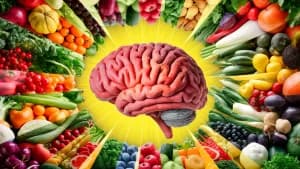
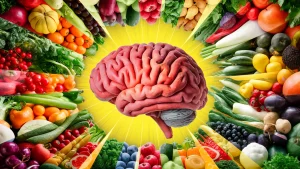
Recent research has highlighted the significant impact of diet on brain health, particularly in the context of attention deficit hyperactivity disorder (ADHD) in children. A study published in the journal Nutritional Neuroscience found that children who consumed more fruits and vegetables exhibited less severe symptoms of inattention and other ADHD-related challenges.
The study also evaluated the potential benefits of a vitamin-mineral supplement in managing ADHD symptoms, suggesting that proper nutrition plays a key role in supporting brain function and behavior. These findings underscore the importance of providing children with a nutrient-rich diet to promote optimal cognitive development and mental well-being.
In addition to the benefits for ADHD, emerging research has also explored the neuroprotective potential of specific foods, such as cranberries. A study conducted by the University of East Anglia found that consuming the equivalent of a cup of cranberries per day improved memory and cognitive function in older adults, with potential implications for preventing neurodegenerative diseases like dementia.
These studies highlight the powerful role of nutrition in supporting brain health across the lifespan. By emphasizing whole, nutrient-dense foods and ensuring adequate intake of essential vitamins and minerals, individuals can optimize cognitive function, emotional well-being, and overall quality of life.
Sunscreen Safety: Navigating the Risks and Benefits
While protecting the skin from excessive sun exposure is crucial for reducing the risk of skin damage and certain types of skin cancer, recent research has raised concerns about the safety of many common sunscreen ingredients. Studies have found that chemicals such as oxybenzone, homosalate, and octocrylene can be systemically absorbed into the body after just one use, with potential endocrine-disrupting effects.
The European Commission has proposed stricter regulations on the use of these ingredients in sunscreens, recommending lower concentration limits than those currently allowed in the United States. Additionally, some studies suggest that high-SPF sunscreens may provide a false sense of protection, leading individuals to spend more time in the sun without adequate protection.
To navigate these concerns, experts recommend opting for mineral-based sunscreens that use ingredients like zinc oxide and titanium dioxide, which are generally considered safer and less likely to be absorbed into the body. Choosing products with lower SPF ratings, such as SPF 30 or SPF 50, and reapplying frequently can also help ensure adequate protection without relying on potentially harmful chemicals.
Furthermore, practicing other sun-safe habits, such as seeking shade during peak sun hours, wearing protective clothing, and avoiding prolonged sun exposure, can help minimize the risk of skin damage while still allowing for the benefits of moderate sun exposure, such as vitamin D production.
As with any health concern, it is essential to stay informed about the latest research and recommendations regarding sunscreen safety. By making informed choices about sun protection and prioritizing overall skin health, individuals can enjoy the benefits of outdoor activities while minimizing potential risks.
The Interconnectedness of Health and Wellness
The topics explored in this article – vitamin D, cleanses and detoxes, diet culture, nutrition for brain health, and sunscreen safety – may seem disparate at first glance. However, they all underscore the fundamental interconnectedness of various aspects of health and wellness.
Optimal health is not achieved through a single magic bullet or a narrow focus on one area of life. Rather, it requires a holistic, integrative approach that takes into account the complex interplay between nutrition, lifestyle, environment, and individual needs.
By cultivating a deeper understanding of these interconnections and making informed, balanced choices in each area, individuals can create a solid foundation for lifelong health and well-being. This involves nourishing the body with whole, nutrient-dense foods, supporting the body’s natural detoxification processes, developing a healthy relationship with food and body image, optimizing brain health through targeted nutrition, and practicing safe sun habits.
Ultimately, the path to health and wellness is a highly individualized journey that requires patience, self-compassion, and a willingness to adapt and learn. By staying curious, open-minded, and committed to evidence-based practices, individuals can navigate the often-confusing landscape of health information and find the approaches that best support their unique needs and goals.
As the field of health and wellness continues to evolve, it is essential to remain engaged with emerging research, to question assumptions and dogmas, and to approach health with a spirit of empowerment and self-discovery. By doing so, we can collectively move towards a more holistic, inclusive, and sustainable vision of health and well-being for all.