 PRADEEP ALBERT
The Intricate Connection Between the Gut and Brain
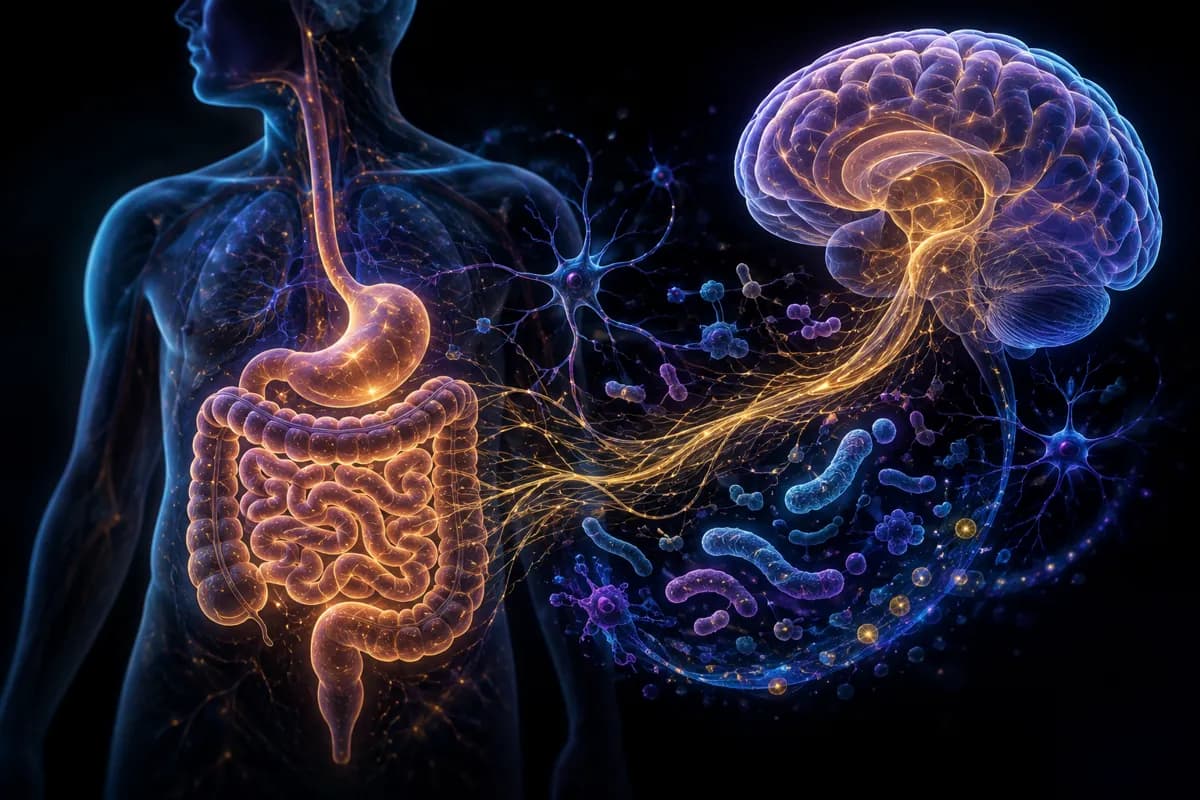
Understanding the Complex Embryology and Anatomy of the Gastrointestinal System
The gastrointestinal (GI) system develops from a flat disc in an embryo that folds to create a tube, which eventually forms the gut from mouth to anus. This intricate tube has a lining called the mucosa, with the next layer being connective tissue, followed by circular then longitudinal smooth muscle layers. The gut’s nervous system, known as the enteric nervous system, resides mainly between these muscle layers and remarkably allows the gut to function independently of the brain or spinal cord.
Unique Blood Supply and Absorption
The gut has a specialized blood supply. Arteries supply blood to the stomach and intestines, then capillaries allow absorption of nutrients which drain into large veins carrying blood towards the liver. This unique portal system allows the liver first access to absorbed nutrients for processing, before blood continues circulation to the rest of the body.
bidirectional Communication with the Brain
The vagus nerve and sympathetic nerves provide major communication routes between the gut and brain. While the enteric nervous system can control the gut independently, in practice there is constant feedback between the brain and bowel. The brain gives general instructions but precise functioning is left to the local enteric system, much like a CEO delegates to managers.
Serotonin Signaling Impacts Digestion and Beyond
About 90% of the body’s serotonin is made in specialized endocrine cells in the gut lining. As a neurotransmitter, serotonin helps regulate intestinal movements and pain signaling. It also triggers nausea and inflammation. During development, serotonin acts as a nerve growth factor. Medications like SSRIs that affect serotonin signaling can impact gut motility and growth.
Possible Links to Autism Spectrum Disorder
Many patients with autism spectrum disorder (ASD) also have gastrointestinal symptoms. One theory involves serotonin – a mouse model with a hyperactive serotonin transporter has ASD-like behaviors and GI abnormalities. More research is exploring connections between nervous signaling in the gut and ASD.
When the Gut Barrier Breaks Down
“Leaky gut” refers to opening of junctions between intestinal cells, allowing contents to abnormally leak into the tissue beneath. This can provoke inflammation and food reactions. Causes can include infection, injury, or hypersensitivity conditions. Diagnosis may check for presence of substances like protein or enzymes outside the gut lumen. Treatments aim to heal and strengthen the protective barrier.
The Resident Microbiome
Trillions of bacteria make up the gut microbiome. This population is mostly separate in the small versus large intestines. Beneficial symbiotic relationships have evolved where microbes break down fiber, produce nutrients and vitamins, regulate health conditions, and stimulate immunity in exchange for their niche. Antibiotics and diet can profoundly alter the types of microorganisms present.
Therapeutic Manipulation of Gut Flora
Fecal microbiota transplantation can be a life-saving therapy for stubborn C. difficile infection by recolonizing a healthy bacterial population. Animal studies and small trials also hint at beneficialmodulation of obesity, anxiety, and other states by essentially overriding the existing microbiome. However major limitations around culturing and studying most gut microbes remain.
Lifestyle Factors for Optimal Gut Health
Supporting healthy digestion andmicrobiome balance without unnecessary antibiotic use starts with a well-rounded diet including plenty of fiber. Fermented foods provide probiotics. Hydration, exercise, sleep and stress relief also play key roles. Future research seeks to further clarify specific nutritional guidelines and customized interventions based on an individual’s microbiome composition once diagnostic techniques become more refined and reliable.
The intricate gut-brain connection relies on this complex gastrointestinal system developing properly and cooperating smoothly with its diverse microbial inhabitants to function optimally in receiving nutrition and also regulating whole body homeostasis and mental health.