 PRADEEP ALBERT
Uncovering the Hidden Causes of Small Intestinal Bacterial Overgrowth
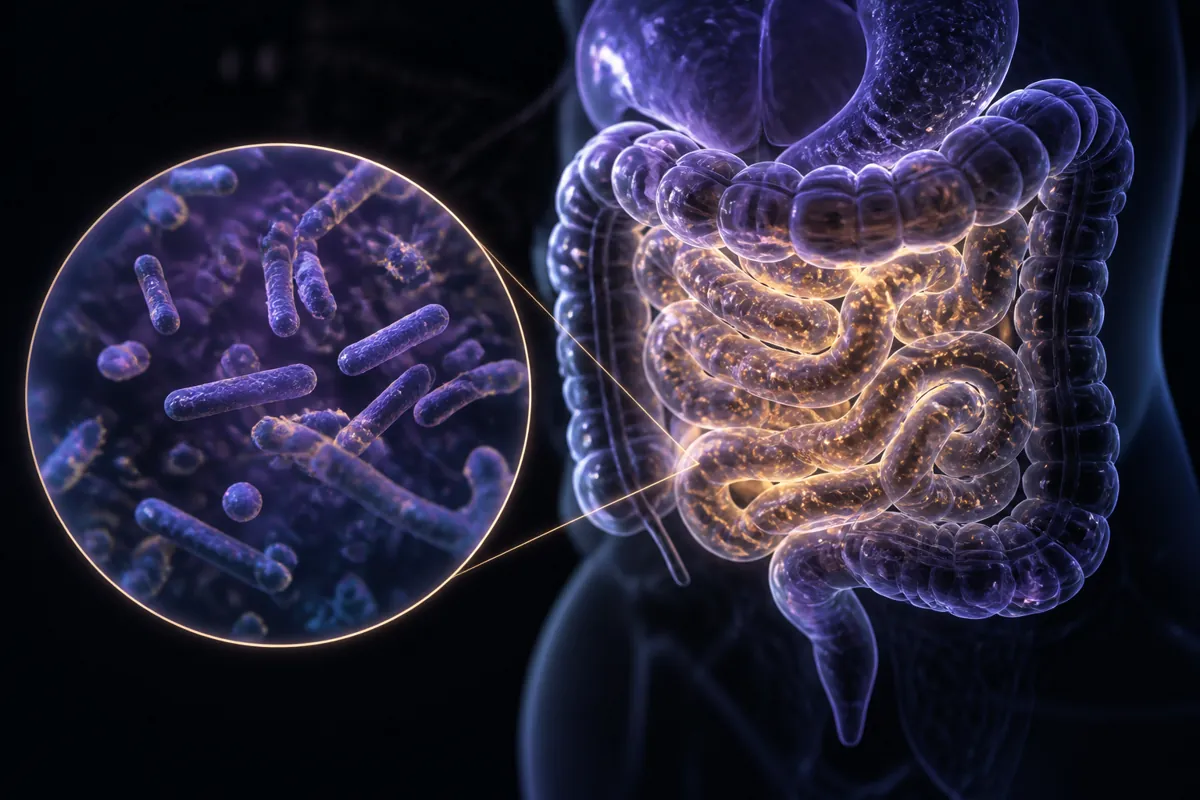
Recognizing the Signs and Symptoms of this Common Condition
Small intestinal bacterial overgrowth (SIBO) has become increasingly prevalent in recent years. Although testing methods have improved, allowing for better recognition, experts believe lifestyle factors and an aging population have also contributed to rising rates.
Patients with SIBO may experience digestive symptoms like bloating, abdominal pain, diarrhea or constipation. However, the condition can also manifest with seemingly unrelated problems such as chronic fatigue, joint pain, rashes and even anxiety or depression.
Getting to the Root Cause is Key
While antibiotics or herbal antimicrobials can provide temporary relief by lowering bacterial counts, relapse rates remain high if underlying causes are not addressed. These may include:
- Motility disorders affecting the migrating motor complex
- Intestinal permeability allowing bacteria to access the small bowel
- Prior GI infections
- Abdominal adhesions obstructing flow and transit
- Medications slowing motility
- Traumatic brain injuries disrupting gut nerves
- Chronic stress inhibiting digestion
Testing methods such as breath testing, duodenal aspirate cultures and PCR assays can help confirm the diagnosis. However, a detailed history looking for risk factors and precipitating events provides key insights into the possible underlying mechanisms at play.
Supporting the Gut-Brain Axis
The strong two-way communication network between the digestive system and brain means GI issues profoundly impact mental health. Small intestinal overgrowth allows toxins, metabolites and inflammatory molecules access to the bloodstream and lymphatics, potentially impairing mood and cognition.
Conversely, anxiety, depression and chronic stress all negatively affect gut function. Identifying and addressing any brain-based causes or contributions is an essential aspect of resolving stubborn digestive complaints.
Physically Assessing the Digestive Tract
Gastrointestinal physical exam techniques can also further identify dysfunction requiring manual therapy. Examples include:
- Hiatal Hernia Syndrome – Diaphragmatic restrictions impairing esophageal function.
- Ileocecal Valve Dysfunction – Impaired mobility allows backflow between the small and large intestines.
- Abdominal Adhesions – Scar tissue can obstruct flow and transit.
These mechanical abnormalities likely perpetuate overgrowth, inflammation and permeability – performing specific myofascial release, visceral manipulation or neural retraining techniques provides missing support to optimize medical therapies.
An Individualized, Integrative Approach
In most complex, long-standing cases of small intestinal bacterial overgrowth, no single treatment regimen proves effective. By carefully assessing the entire gastrointestinal ecosystem – including the brain-gut dialogue – practitioners can craft individualized protocols to systematically address the multiple variables perpetuating this modern plight.